Roof replacement is one of the biggest investments a Florida property owner will ever make, and it’s a project that requires careful planning. At Allstate Construction Roofing, we guide owners through this process daily, helping them understand material choices, installation needs, and pricing ranges that make sense for Florida’s climate. Many of the families we assist start with a simple question: How much will it cost to replace my roof in Florida?
While every home has its own needs, there are clear factors that influence total cost across the state. Roof design, material quality, structural condition, and local building codes all play a role. Our team handles complete roof replacement throughout Southwest Florida, so we see these variables firsthand on projects from coastal homes to inland neighborhoods. Mentioning a service early here helps bring clarity for readers who may be unfamiliar with the process, but this remains an informational guide rather than a sales message.
Understanding expected pricing allows property owners to budget with confidence and avoid surprises once a contractor evaluates the property. Florida’s weather, building requirements, and insurance expectations create a unique environment, and roof replacement costs reflect the level of protection needed to stand up to the sun, storms, and humidity year-round.
Average Roof Replacement Cost in Florida
Most Florida homeowners can expect a full roof replacement to fall within a broad range, generally $12,000 to $30,000, depending on several contributing factors. Larger homes, higher-end materials, and complex rooflines naturally come in above the average. Smaller homes with simple designs come in lower.
Labor cost is a significant piece of the project. Roofing crews in Florida must work within strict code requirements introduced after past hurricane seasons, and that adds several steps to the process. This includes fastening patterns, underlayment standards, ventilation requirements, and inspections. These aren’t optional in our state. They are structural protections that directly influence how well a roof performs when storms arrive.
Material cost is the other major driver. Homeowners often compare asphalt shingles, metal roofing, tile, and flat roofing systems. Each material has a different price point and a different service life. While the upfront cost varies, long-term value can look very different once durability, energy performance, and insurance incentives come into the picture.
Material Types and Pricing Ranges
Asphalt Shingle Roofing
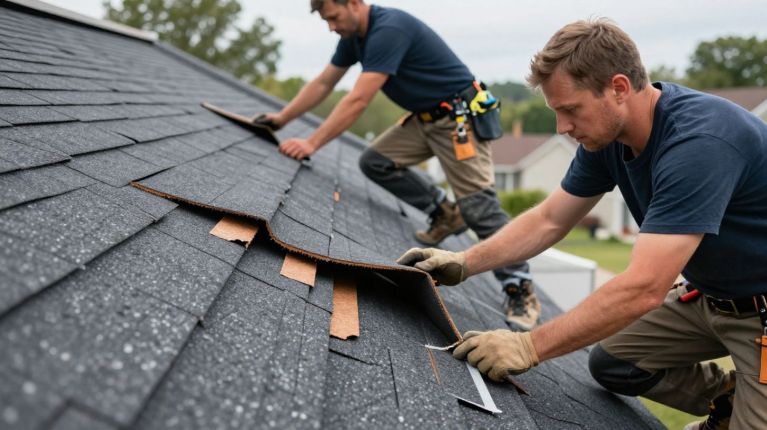
Shingle roofs remain the most common roofing choice in Florida. The typical replacement cost for a shingle roof falls between $12,000 and $20,000 for an average-sized single-family home. This range depends on whether the homeowner chooses standard architectural shingles or a higher wind-rated option. Architectural shingles offer strong performance at a reasonable price and blend well with nearly any neighborhood.
Shingle roofs are also easier and faster to install than heavier materials, which helps keep labor costs manageable. Their main drawback is lifespan. Most architectural shingles in Florida last 15 to 25 years due to sun exposure, salt air on the coast, and tropical weather cycles. Homeowners budgeting for long-term property plans should keep life expectancy in mind.
Metal Roofing
Metal roofing has gained popularity across the state due to its strength and longevity. Total cost typically ranges from $20,000 to $45,000. Metal panels designed for residential use land closer to the lower or mid range.
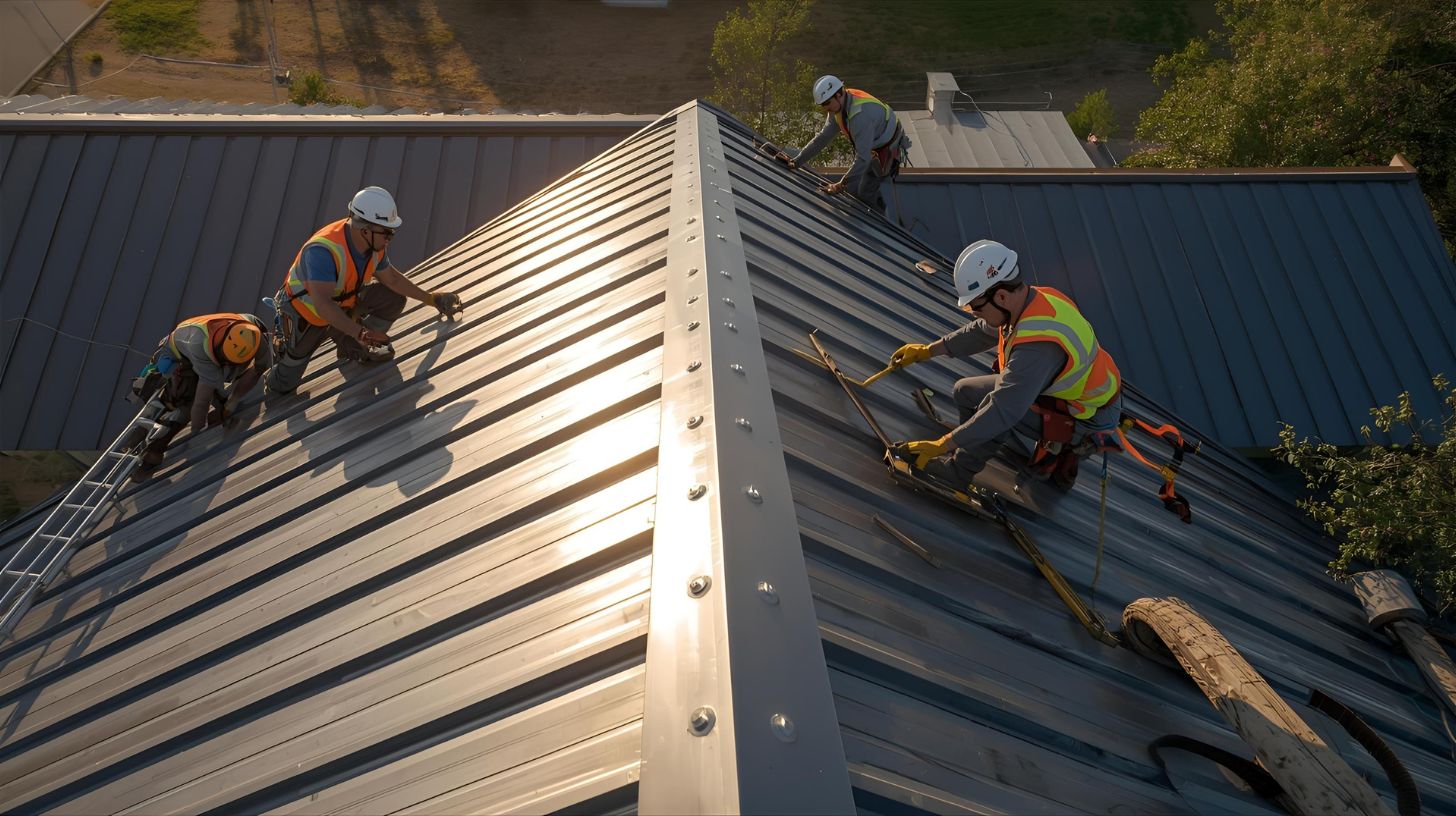
Florida property owners often pick metal for its wind resistance and long service life. A properly installed metal roof can last 40 years or more. It also reflects more sunlight than asphalt shingles, which can contribute to cooler attic temperatures during summer. Although the initial cost is higher, many homeowners view metal as a long-term investment for storm protection and reduced maintenance.
Tile Roofing
Concrete tile roofs deliver a classic Florida look and carry a reputation for durability. Tile replacement projects usually start around $25,000 and can exceed $60,000, depending on tile style, roof size, and structural needs. Many homes require reinforcement of the roof deck to support tile weight, especially older properties. That added work influences cost.
Tile roofs stand up well to heat and salt air and can last 50 years or longer when properly maintained. The installation process is labor-intensive compared to shingles or metal, so both material and labor costs tend to be higher. Homeowners drawn to tile for its appearance and long service life often find the investment worthwhile if they plan to stay in the home for many years.
Flat Roofing Systems
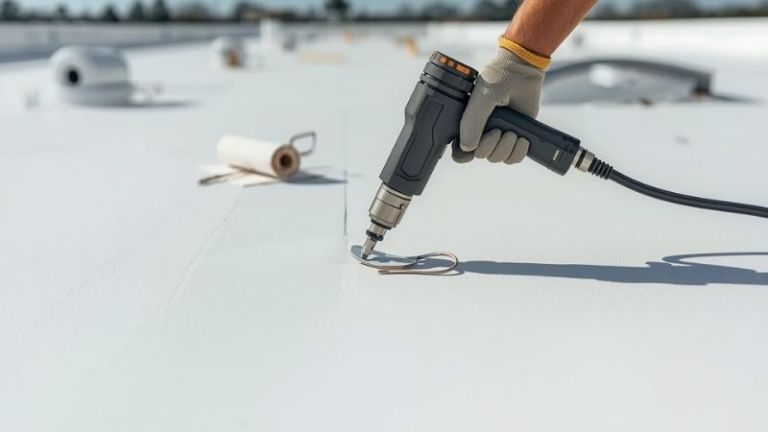
Flat or low-slope roofs are common on additions, lanais, and certain architectural styles. Replacement cost varies based on membrane type. Systems like TPO and modified bitumen generally range from $8,000 to $20,000. These roofs require proper drainage planning and attentive installation to prevent pooling water, which can shorten the life of the roof.
Because flat roof systems tend to serve specific areas of the home, many homeowners combine flat and pitched roof replacement projects at the same time, which can raise or lower cost depending on access and structural requirements.
Home Size, Roof Design, and Structural Conditions
Square footage is one of the simplest cost indicators, but it doesn’t tell the whole story. A small home with multiple roof pitches or architectural details can demand more labor than a larger home with a clean, simple design. Roofs with steep pitches, valleys, skylights, dormers, or multiple attachment points often require more work to waterproof correctly.
Structural condition is another key factor. If the existing roof deck is in poor shape, repairs or replacement are necessary before new materials can be installed. Florida’s humidity and storm patterns can cause hidden damage that only becomes visible once the old roof is removed. Rotten decking, delamination, and compromised trusses can increase the project scope, and therefore cost. Careful evaluation during the inspection stage helps prevent surprises during installation.
Properties with older underlayment or fastening systems may also require updates to meet current Florida Building Code. Even if an owner is replacing the roof due to age rather than storm damage, the updated standards apply. Compliance isn’t optional during a full replacement, and reputable contractors handle this without shortcuts.
Regional Factors: Why Florida Roof Pricing Is Unique
Florida’s climate influences roof replacement costs more than homeowners often expect. The combination of high UV exposure, heavy rainfall, and the possibility of tropical storms means materials must perform under more stress than in many other parts of the country. This drives up manufacturing standards, insurance expectations, and installation requirements.
Permitting and inspections are part of every roofing project in the state. Each county and municipality may enforce slightly different guidelines, which can affect both the timeline and overall cost. Properties near the coast often require materials rated for higher wind speeds. These ratings help protect against storm uplift but can carry a higher price.
Insurance requirements also play a part. Many insurers look closely at roof age and material type. Some policyholders choose higher-end materials as a way to maintain stronger insurance standing or reduce exposure to future premium increases tied to roof age.
Hidden Costs Homeowners Should Prepare For
Roof replacement is more than simply removing old shingles or tiles and installing new materials. Several hidden elements can influence total cost. These include:
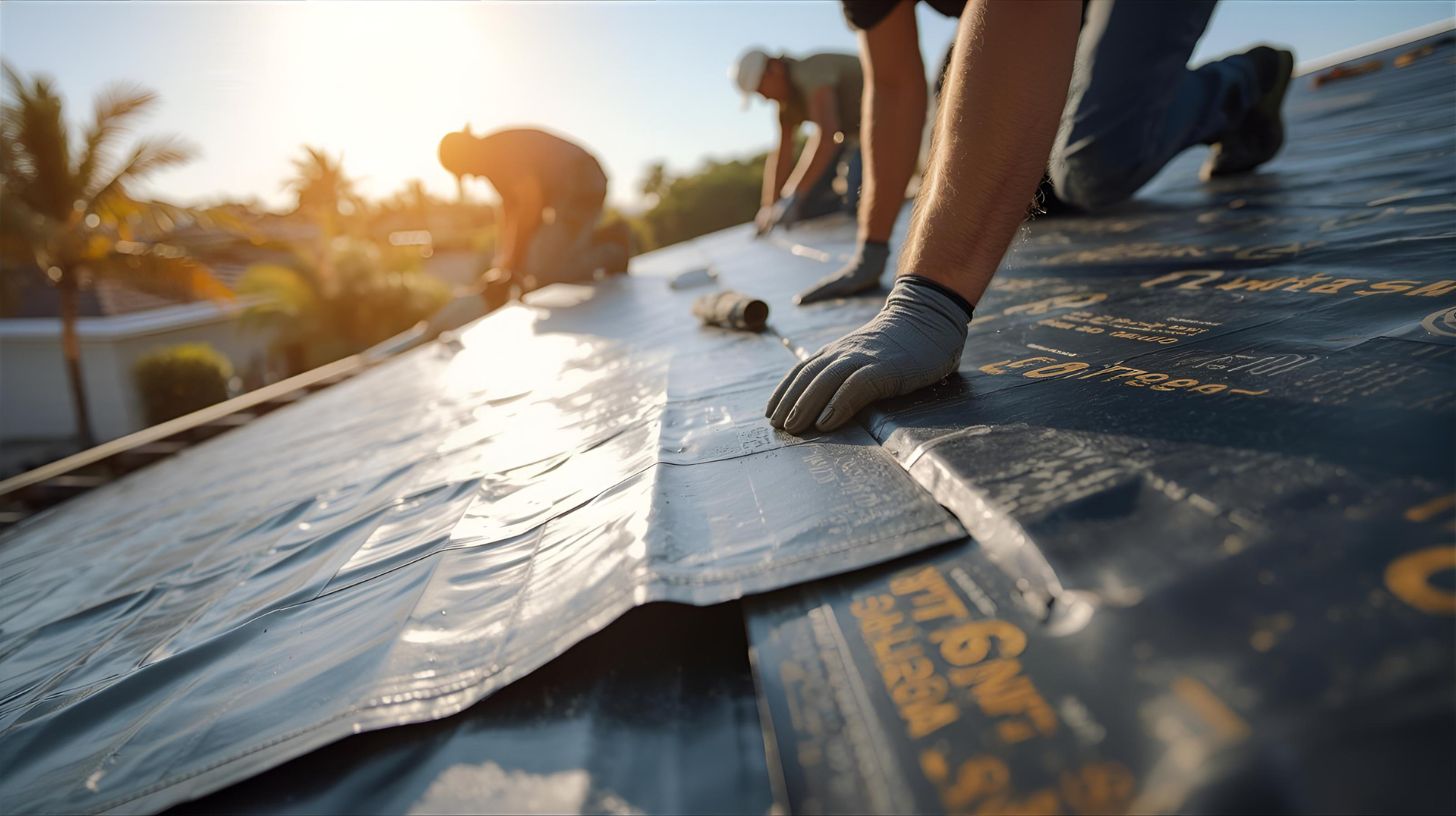
Underlayment Upgrades: Florida homes benefit from high-quality underlayment, especially in hurricane-prone zones. Many homeowners choose peel-and-stick underlayment because it seals to the roof deck and offers superior wind and water protection.
Ventilation Adjustments: If a roof lacks proper airflow, heat and moisture can build up in the attic. Correcting ventilation extends the life of both the roof and the HVAC system.
Flashing Replacement: Flashing around chimneys, skylights, and valleys must be updated during replacement. Leaving old flashing in place risks leaks, even with new roofing materials.
These aren’t small details. Each correction helps ensure that the roof performs as it should in Florida’s weather. Cutting corners only shifts the cost to a later date.
Ways Florida Homeowners Can Lower Roof Replacement Costs
Although roof replacement is a major investment, there are strategies that help homeowners manage the cost. Choosing materials that balance price and longevity is often the best starting point. Architectural shingles are a strong match for many budgets. Metal roofing can offer long-term savings due to fewer replacements over time.
Scheduling the project before peak storm season can also help. During quieter periods, contractors may have better availability, and homeowners avoid the rush that follows summer storms.
Maintaining the roof throughout its life reduces the risk of major structural repairs during replacement. Cleaning gutters, removing debris, addressing small leaks promptly, and scheduling periodic inspections keep the roof in better condition and may reduce replacement costs down the road.
How to Budget Confidently for a Roof Replacement
Setting a realistic budget begins with a professional inspection and a written estimate. Contractors should evaluate the roof deck, review ventilation, check flashing, measure the roof accurately, and discuss materials in detail. A thorough estimate avoids guesswork and allows the homeowner to compare options based on value rather than just the lowest number.
Financing can also support property owners who prefer to spread the cost over time. Many roofing companies offer financing through trusted partners, giving clients flexibility without delaying necessary repairs or replacements.
Closing Thoughts
Roof replacement in Florida carries its own challenges, shaped by the climate, regulatory environment, and material demands of the region. While the cost can vary widely, informed planning allows homeowners to approach the project confidently. Understanding the factors that influence pricing leads to better decisions and smoother projects.
Our team at Allstate Construction Roofing works daily with Florida families seeking clear, honest information about roofing costs. When the time comes to explore your own roof replacement options, a detailed inspection and straightforward discussion about materials and expectations will set the foundation for a successful project.