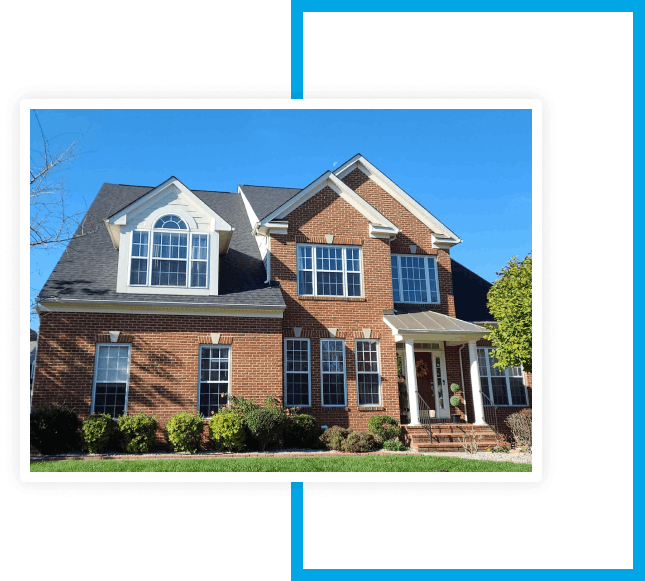
Cupping shingles are a common sight across Southwest Florida, especially on roofs that have taken years of sun, salt air, and seasonal storms. When shingles begin to curl upward at the edges, many owners notice the change during routine yard work or after a heavy rain. This change in shape usually signals that the roof is under stress in some way. As a roofing company that has inspected and repaired thousands of roofs across our coastal region, we see cupping often and can spot the signs early during a maintenance visit or during one of our roof repair assessments.
Even though cupping may start small, it rarely stays that way. The shape change affects how shingles shed water, hold up against wind, and stay sealed to the roof deck. Over time, this increases the chance of leaks and premature roof failure, which is why taking action early matters. Our team at Allstate Construction Roofing watches closely for this during every inspection because it serves as a reliable early warning sign that the roof needs attention.
What Cupping Looks Like and Why It Happens
Cupping usually appears as an upward curl along the edges of individual shingles. Some shingles lift slightly, while others bend to a point where the middle sags lower than the sides. From the street, the roof may even look uneven or rippled in certain light. Many homeowners first notice the problem after cleaning gutters or when strong afternoon sunlight hits the roof just right.
Heat plays a large part in this. Southwest Florida roofs endure intense temperature swings throughout each day. Asphalt shingles soften under extreme heat, especially when the attic lacks proper ventilation. As the heat becomes trapped, shingles age faster and lose their original stiffness. Salt air also contributes to the slow wear of roofing materials here along the Gulf Coast, which weakens the layers that help shingles hold their shape.
Moisture is another factor. When shingles absorb water during storms or during our long stretches of humidity, they expand and contract constantly. This cycle eventually breaks down the internal structure of the shingle. Over time, the edges respond by curling upward. In many homes, cupping appears first on the sunniest side of the house or the section that holds moisture longest after rain.
The Common Causes Behind Cupping
Even though heat and moisture speed up the process, cupping usually comes from a combination of several issues working together. Aging is the most straightforward reason. Every roof reaches a point where materials naturally break down, especially in climates as intense as ours. Shingles lose the oils that keep them flexible, which leaves them brittle and prone to curling.
Poor ventilation inside the attic is another major reason we diagnose during roof evaluations. When hot air has no path to escape, the attic becomes a furnace. The additional heat not only damages the shingles from below but also raises energy bills. A well-balanced ventilation system helps protect the roof by keeping temperatures steadier throughout the day.
Installation problems can show up years after the roof was first put on. If the shingles weren’t nailed properly, or if the wrong number of nails were used, curling becomes more likely. Sometimes an underlayment that wasn’t laid correctly causes moisture to sit where it shouldn’t. These issues remain hidden until the shingles begin to deform.
Cupping also appears when the shingles themselves were not suited for the home’s location. Cheaper or discontinued products sometimes reach the market, and they often lack the durability needed for coastal heat and wind. As a company with decades of experience in Florida roofing materials, we’ve seen how much the selection of the correct shingle makes a difference in performance.
Why Cupping Should Never Be Ignored
Cupped shingles may still lie flat enough to shed water during light rain, but their weakened edges are vulnerable to wind lift. Once wind gets under a lifted corner, the shingle can tear, flip back, or come loose entirely. Even one missing shingle allows water to reach the underlayment. As storms move through our area, a few lifted shingles can quickly turn into a more serious roof problem.
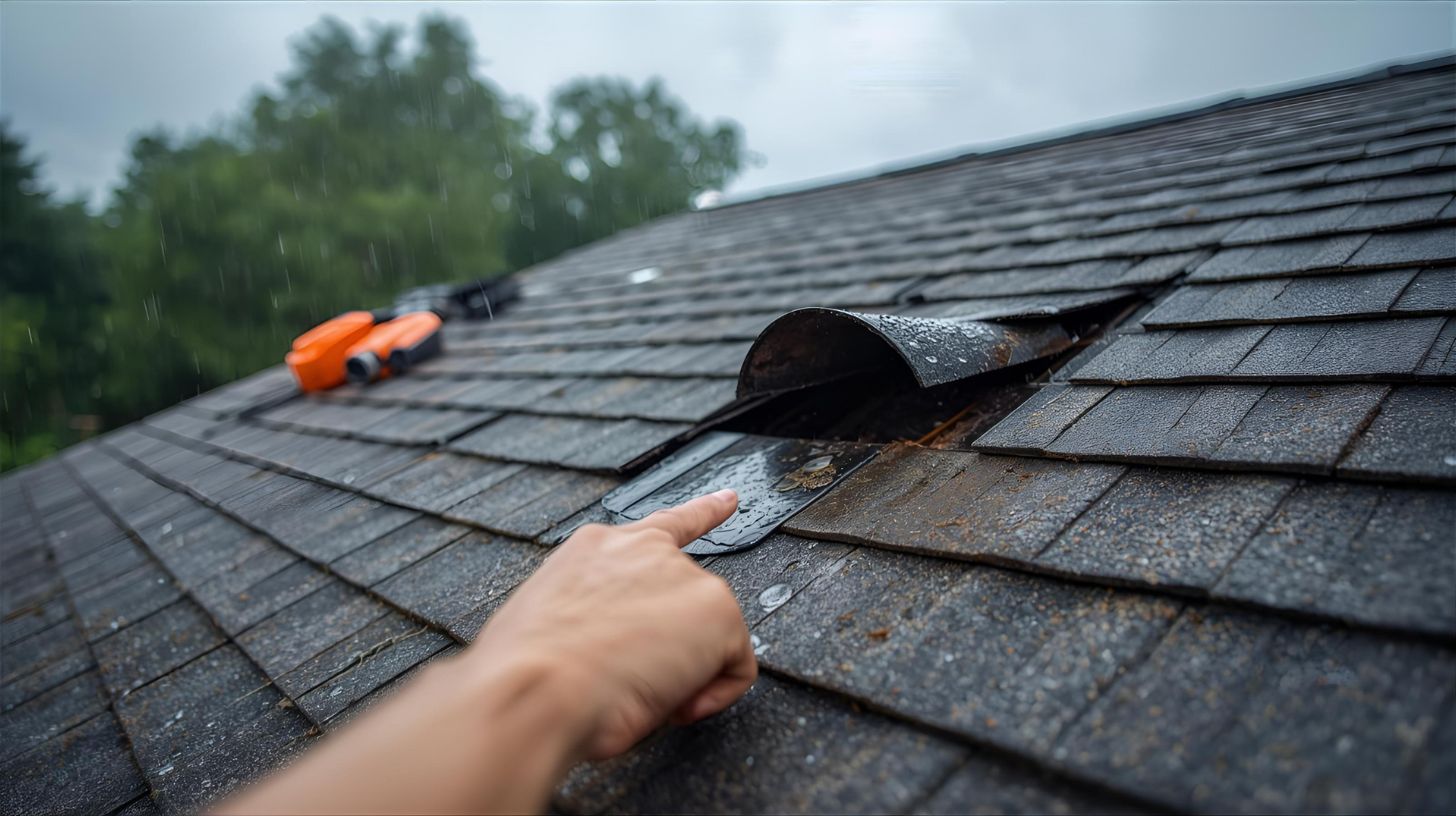
Pieces of curled shingles often break off during storms, exposing raw sections of the roof deck. Moisture intrusion follows, and that leads to wood rot or mold inside the attic. Property owners might not notice any signs of water in the living space until the problem has spread far beyond the initial damaged area.
Another concern is reduced lifespan of the entire roofing system. When many shingles begin to curl, water doesn’t drain correctly. Small pools can form where the shape has changed, which creates additional wear. These small pockets of trapped moisture invite algae and mildew. In our Florida climate, this type of moisture exposure accelerates damage much faster than most homeowners expect.
Insurance complications can also arise. Many insurers tighten their guidelines for roof condition after severe storm seasons. Cupped shingles can be considered a sign of deferred maintenance. Hanging onto a roof that shows visible curling can make renewals difficult or result in higher premiums. Addressing the issue early often prevents these complications.
How Professional Roofers Identify the Source of Cupping
A proper inspection starts with a slow, thorough evaluation of the roof surface. Each section of the roof is examined for patterns. If only one area is affected, heat concentration or moisture buildup may be the primary cause. When cupping appears across the entire roof, aging or ventilation issues usually rank high on the list.
We also check the attic. The airflow, insulation depth, and moisture traps tell us a lot about the stresses the roof has been under. An attic that feels extremely hot or holds a musty smell usually hints at airflow problems. Ventilation repairs may solve part of the issue, but the existing shingle damage still needs attention.
The shingle material is also reviewed closely. Some shingles experience granule loss at the same time they begin to curl. Missing granules weaken UV protection and create a rough texture that breaks down faster under rain. These clues help our team determine if repairs can extend the life of the roof or if a larger replacement plan is safer for the home.
When Repairs Make Sense and When Replacement Is the Better Choice
Cupping isolated to a small section of the roof can sometimes be repaired by replacing the affected shingles. This often happens when a roof vent fails or when a small moisture problem occurs near flashing. Repairing those areas and installing new shingles restores proper shape and protection.
If the roof is approaching the end of its lifespan and the curling appears across large sections, patching may not provide long-term security. A full replacement offers stronger protection and prevents repeated service calls. It also eliminates the risk of hidden moisture problems. Many homeowners choose replacement once they see multiple signs of aging alongside cupping, such as granule loss, discoloration, or soft spots in the decking.
Improving attic ventilation often becomes part of the solution as well. Adding ridge vents helps balance airflow so the new roof stays in good condition for many years. Florida homes benefit greatly from healthy ventilation because it reduces heat stress on shingles and helps control humidity inside the attic.
How Florida Weather Accelerates Cupping
Southwest Florida experiences long stretches of heat combined with bursts of heavy rain. This creates the perfect cycle for shingle curling. During summer, roof surfaces can reach extremely high temperatures by mid-afternoon. Rainstorms then cool the shingles quickly. This expansion and contraction puts pressure on older shingles and leads to shape distortion.
Tropical storms and hurricanes add another layer of stress. Even without direct damage, roofs that face strong winds often shift slightly. Shingles that are already weakened lift more easily, exposing the edges. After a busy storm season, we often receive calls from homeowners who discovered curled shingles only after inspecting their roof for storm impact.
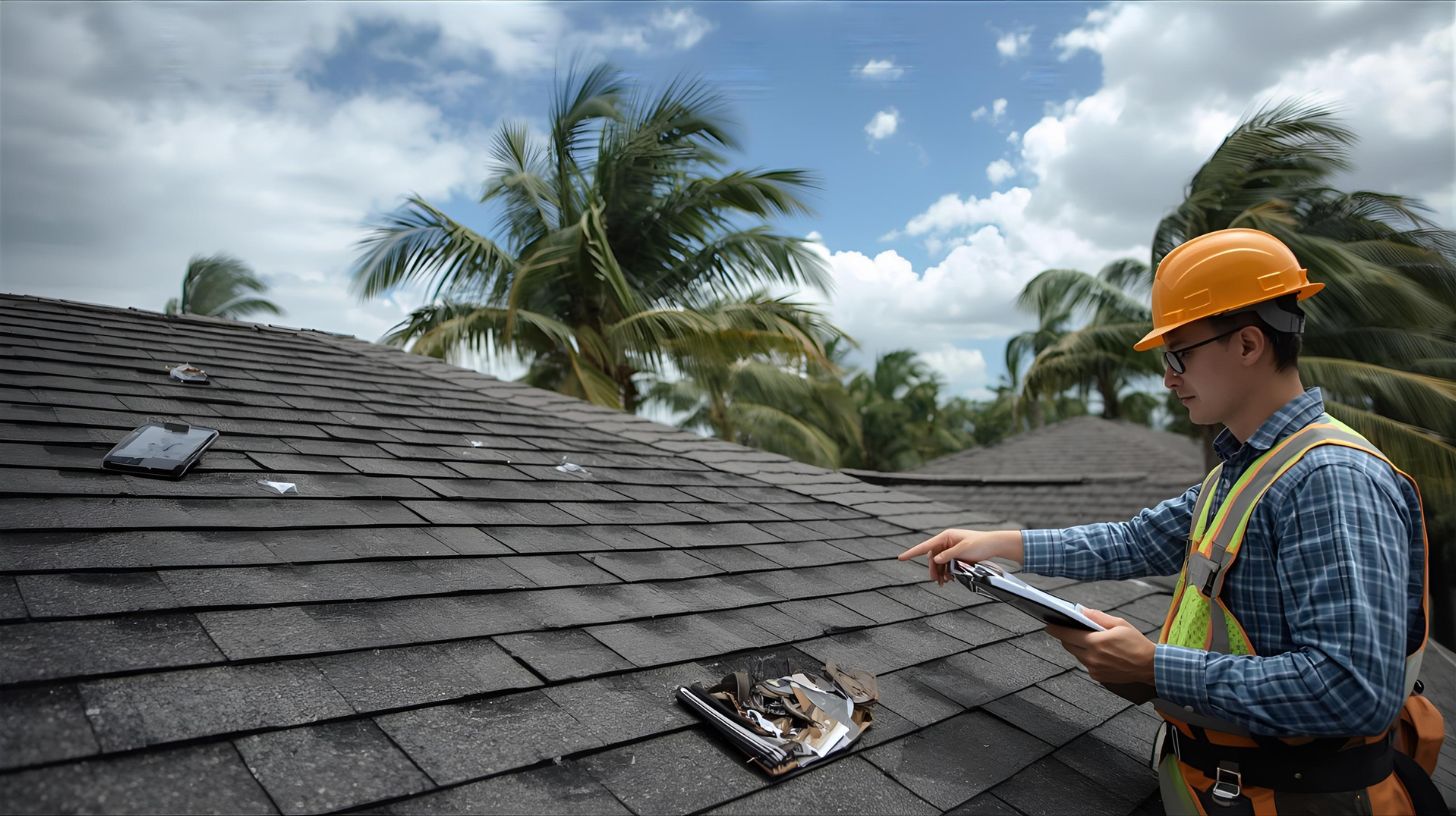
Salt air also contributes to premature aging. Homes closer to the Gulf experience faster material breakdown because salt carries into the air and settles on surfaces. While many roofing materials are designed to resist salt exposure, long-term contact still shortens their lifespan and lifts the edges over time.
Long-Term Prevention Strategies for Property Owners
Ongoing roof care makes a significant difference in how soon cupping develops. Regular inspections catch issues before they spread. Addressing small ventilation or moisture problems early extends the life of a roof by several years. Even simple habits, like keeping gutters clear, reduce moisture damage along the roof edge.
Choosing the right roofing material plays a major role as well. Modern shingles built for high heat and strong UV exposure perform better in Florida conditions. When homeowners ask for guidance, we often recommend materials designed to resist curling, along with upgraded underlayment that adds extra moisture protection.
Routine attic checks help too. When insulation shifts or vents become blocked, the attic traps more heat. Catching those changes early prevents the roof from suffering the consequences. A balanced attic environment supports a healthy roof far longer than many homeowners realize.
When to Call a Professional
Cupped shingles rarely correct themselves, and they almost always progress. Once the edges lift, wind and water begin to work against the structure of the roof. Even if the curling looks minor, it signals that something deeper is affecting the roofing system. A trained eye can distinguish minor cosmetic changes from structural concerns.
If you notice curling on your roof, scheduling a professional evaluation brings clarity. A proper inspection reveals whether repairs will hold or if a replacement plan is the safer route. Cupping may not cause immediate leaks, but addressing it early protects your home, keeps insurance coverage simpler, and strengthens long-term property value.