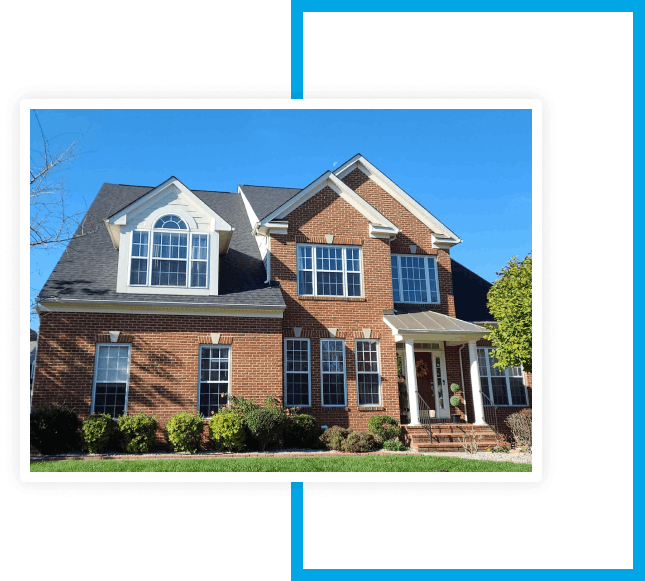
Water that lingers on a flat roof for more than a day or two is more than an inconvenience. It can shorten the lifespan of a roofing system, stress the structure underneath, and leave a building vulnerable to leaks during Southwest Florida’s rainy seasons. At Allstate Construction Roofing, our team sees this issue often, especially after heavy summer downpours or when older roofs begin to settle. Many property owners call us for roof inspections once they notice standing water, since it can be an early sign of drainage problems or material wear. Addressing ponding early protects the roof and helps avoid more expensive repairs down the road.
Flat roofs behave differently from pitched roofs. Water doesn’t shed quickly, so every part of the system needs to work well together: drainage pathways, slope design, roof coatings, and penetrations. When just one of these areas falters, ponding can appear. Our roof repair crews in Southwest Florida handle these situations regularly. When we step onto a roof and see water gathered in low areas, our focus is not only on clearing the ponding, but also on understanding what allowed it to form.
Below, we walk through the most reliable remedies for water ponding on a flat roof. These approaches come from decades of working on homes and commercial buildings across coastal Florida, where heat, humidity, and heavy storms continuously test roofing systems.
Common Causes of Water Ponding
Before choosing a remedy, it helps to understand the forces that cause ponding in the first place. Many roofs start out with the correct slope, but over time, movement in the structure can create shallow dips. As buildings age, framing lumber dries out or shifts slightly. Insulation boards may compress. Repeated foot traffic from maintenance crews can wear down certain areas. Even HVAC equipment vibrations can affect the roof deck.
Clogged drains are another frequent culprit. Flat roofs rely heavily on internal drains, scuppers, and gutters to move water quickly. Leaves, granules, and wind-blown debris reduce flow, which holds water in spots where it should be draining freely. In some homes, the drains were never sized correctly for Florida’s rainfall totals, making the roof prone to pooling even when nothing is technically “wrong.”
Roof coatings and membranes also age. When a surface begins to blister, crack, or separate from the substrate, water can collect in those shallow, weakened pockets. This creates a cycle where ponding accelerates deterioration, and the deterioration enlarges the ponding area. Left unaddressed, it exposes the building to leaks and mold problems.
Improving Roof Drainage
One of the most effective ways to eliminate ponding is to improve the roof’s drainage system. A drainage upgrade often begins with clearing blockages. During the rainiest months, drains and scuppers can clog quickly, so a cleanout can sometimes resolve the problem right away.
When the original drainage layout cannot keep up with heavy storms, adding new drain locations is a strong long-term solution. A trained roofing professional can identify areas where water naturally collects and position auxiliary drains to relieve the burden on the primary system. This spreads out the flow and reduces the weight of water sitting on any one spot.
Scuppers may also need adjustment. Some older buildings have undersized scuppers or openings that sit too high above the roof surface. Modifying the height or widening the openings improves water release. On commercial roofs with parapet walls, this adjustment can make a dramatic difference during strong afternoon thunderstorms.
In some cases, the roof simply needs larger downspouts or improved gutter alignment. If water exits the roof too slowly, even a small amount of debris can trigger ponding. Correct sizing and placement of these components help maintain a steady flow during peak rainfall.
Correcting the Slope of the Roof
A flat roof is never completely flat. It should have a gentle angle, sometimes only a quarter of an inch per foot, directing water toward drains. When ponding indicates inadequate slope, there are reliable methods to rebuild that subtle angle.
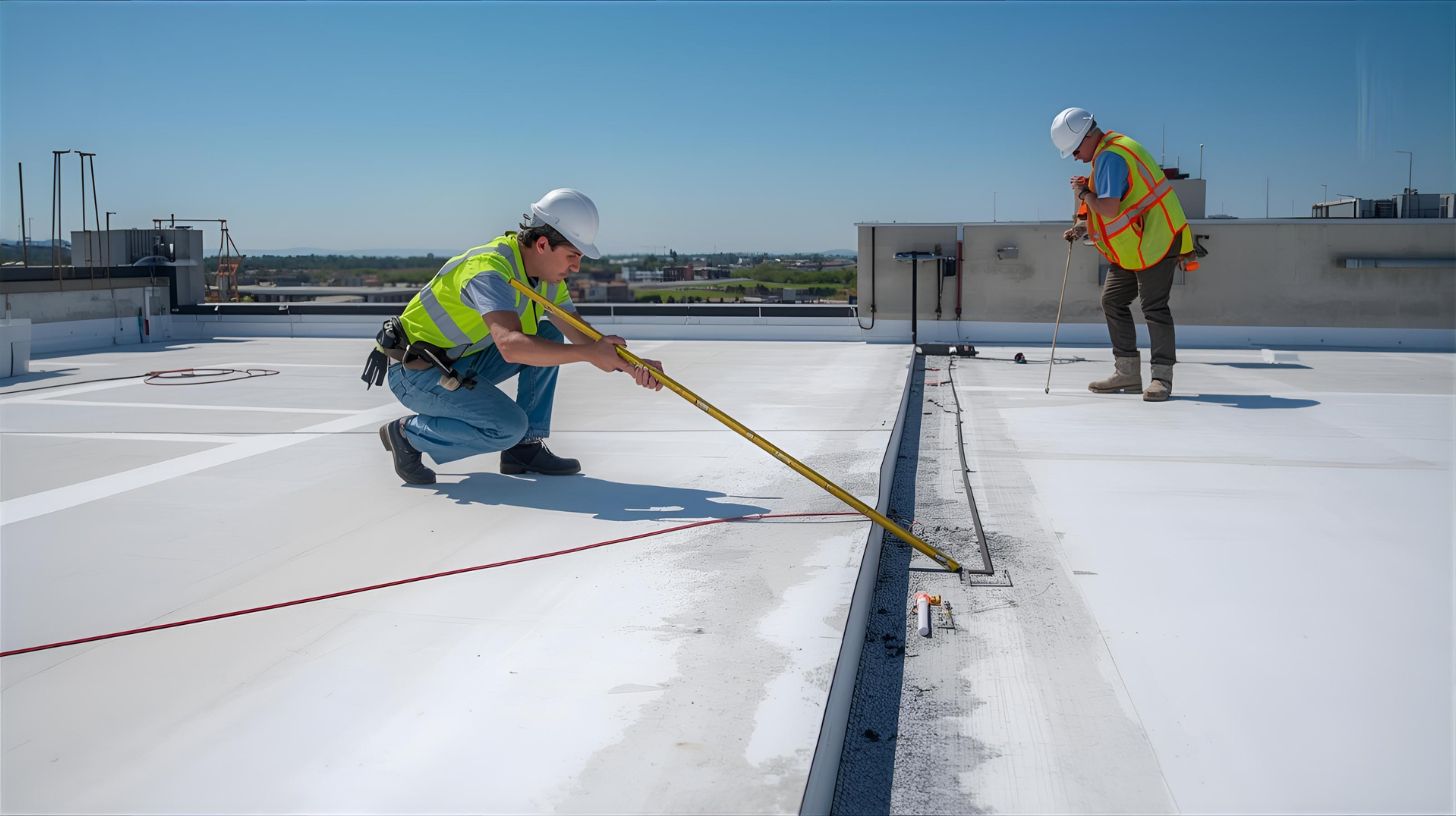
Tapered insulation is the approach we use most often. These specialized insulation boards are cut in precise thicknesses, allowing the roofing crew to create new slope patterns without removing the entire roof deck. They can be installed during a roof replacement or as part of a major repair. Once the tapered system is in place, a new membrane or coating covers it, restoring proper water flow.
Re-decking is another solution, especially for older roofs affected by long-term structural settling. This involves removing sections of the roof surface and reframing or shimming the deck to lift low areas. While more involved, it offers a permanent correction for deep depressions where water repeatedly collects.
Both of these methods provide long-lasting relief from ponding. They also strengthen the overall roof system, which is especially important in coastal regions where moisture and heat constantly press against building materials.
Repairing Damaged Membranes and Coatings
On many flat roofs in Southwest Florida, ponding begins because the membrane has weakened. Aging modified bitumen, EPDM, TPO, or PVC roofs can develop blisters or small sink areas that trap water. The longer water sits, the faster UV rays break down the material. Before long, seams loosen and cracks appear.
A targeted membrane repair can address this. During these repairs, damaged areas are removed or reinforced, and a patch is heat-welded or adhered in place. The goal is to recreate a uniform surface strong enough to resist water pressure.
For coated roofs, a new application of elastomeric coating can also reduce ponding. While coating alone does not fix structural slope issues, it can smooth minor imperfections and improve water release. Modern coatings bond tightly to many roof types and add a bright, reflective surface that helps cool the building. They also provide extra protection during the intense sun exposure common in our region.
When selecting coatings, it is important to choose formulas designed for low-slope areas. Some products do not tolerate ponding at all, while others are rated to handle occasional standing water. A roofing professional familiar with Florida’s climate can determine the right match.
Installing Crickets and Saddles
Crickets and saddles are elevated sections of roofing shaped to divert water around obstacles. They are especially useful behind HVAC units, chimneys, and skylights, where flat surfaces naturally interrupt drainage patterns.
These features are built from tapered insulation or framing material, then covered with membrane or coating to match the roof. By giving water a clear path around equipment, they prevent the formation of persistent puddles. On commercial roofs with multiple penetrations, adding crickets in strategic spots can dramatically reduce maintenance needs.
We install these often during roof replacements, but they can also be added during repair projects when ponding is limited to specific areas.
Strengthening the Roof Structure
When interior ceilings show signs of moisture or sagging, the problem may be deeper than surface ponding. A roof that bears too much standing water for extended periods may experience structural stress. In older homes, roof framing might not have been designed for repeated heavy loads.
If a structural evaluation reveals weakened areas, reinforcement might be needed. This can involve adding new support beams, correcting joist alignment, or installing lightweight fill material to restore the roof’s shape. While this type of work is more extensive, it keeps the building safe and helps the roof drain correctly again.
Regular Maintenance to Prevent Future Ponding
Even a perfectly built flat roof needs routine care to stay healthy. In our coastal environment, maintenance plays a significant role in preventing ponding. During scheduled inspections, a roofing technician can clear drains, check for early membrane wear, and spot subtle changes in the roof deck.

Seasonal maintenance helps property owners catch small issues before they develop into large ponding areas. This is especially valuable after tropical storms, which may leave debris on the roof or cause minor shifts in equipment that disrupt drainage pathways.
A good maintenance routine includes cleaning drains, reviewing all roof penetrations, inspecting seams and edges, checking gutters and downspouts, and confirming that the roof surface still slopes as intended. When these steps are repeated throughout the year, the roof’s lifespan improves and the risk of leaks decreases.
When Ponding Requires Professional Help
Building managers and homeowners sometimes attempt temporary fixes, like sweeping water off the roof after storms. While this can prevent short-term stress on the structure, the underlying problem remains. Lasting results require identifying the cause, restoring proper drainage, and reinforcing the surface.
If ponding continues to appear 48 hours after each rain event, or if the same low spot always collects water, a professional inspection becomes important. Persistent ponding signals that something in the roof system is out of balance. Addressing it early protects both the roof and the building interior.
When our team evaluates a roof, we look beyond the water itself. We study slope, drainage, membrane condition, equipment placement, and signs of structural movement. By doing so, we help property owners choose the remedy that fits their building and budget.
Final Thoughts
Water ponding on a flat roof is a repairable issue when handled with the right knowledge and materials. The sooner it is addressed, the longer the roof will last and the safer the building will remain. In Southwest Florida, weather patterns make strong drainage an essential part of every flat roof. With proper evaluation, maintenance, and corrective work, ponding can be resolved and prevented for years to come.