Florida’s sunshine might be legendary, but every property owner knows it comes with a price—relentless heat, salt air, and powerful storms that test the strength of every roof. Even a well-built roofing system can develop problems over time, especially when exposed to hurricanes, heavy rain, and high humidity. At Allstate Construction Roofing, we’ve spent more than three decades helping homeowners across Southwest Florida protect their homes from the unique weather challenges of our region.
Knowing how to spot roof damage early can save thousands in future repairs and prevent major headaches like leaks, interior mold, or even structural issues. Many homeowners call us for a roof inspection thinking the problem just started, but when we investigate, the signs have often been there for months—or even years.
Whether your roof is tile, metal, or asphalt shingle, staying alert to the following warning signs can help extend its lifespan and protect your investment.
1. Missing or Loose Shingles
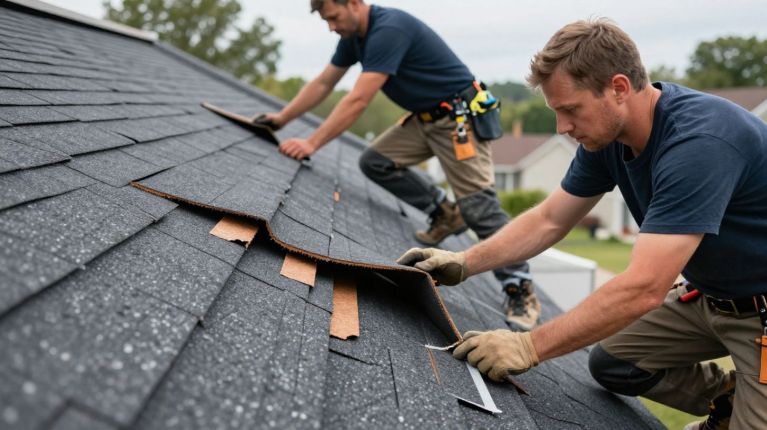
In Florida’s unpredictable weather, shingles can loosen or go missing altogether after high winds or heavy rain. Even a few displaced shingles can expose the roof deck beneath, allowing moisture to penetrate and cause rot or mold. Many clients assume a small patch of missing shingles isn’t urgent, but the truth is that unprotected areas can quickly expand into larger leaks.
If your roof recently endured a tropical storm or a particularly windy afternoon, it’s smart to schedule a professional inspection. At Allstate Construction Roofing, we often find that prompt repair of loose or missing shingles prevents the need for full roof replacements later on.
2. Water Stains on Ceilings or Walls
Brown or yellow stains on ceilings and walls are more than just unsightly—they’re a sign that water has already breached your roof’s protective layers. The leak’s entry point is often not directly above the stain, which is why owners sometimes struggle to pinpoint the problem.
Florida’s humid air can worsen the damage, encouraging mold growth and wood rot in areas that remain damp. If stains appear after a rainstorm, or if you notice musty smells in the attic, it’s time to act. Roof leaks rarely fix themselves, and moisture intrusion spreads silently through insulation and framing materials before becoming visible inside.
3. Sagging Rooflines
A roof should maintain a straight, even profile. When it starts to dip or sag in the middle or along the edges, structural damage is likely. This condition often results from prolonged moisture exposure, deteriorated decking, or weakened support beams.

In older Florida homes, sagging can also be a sign of excessive weight from repeated roof layering—something that was common practice decades ago. This kind of damage requires immediate professional evaluation. The sooner the cause is addressed, the safer and more stable your home remains during hurricane season.
4. Cracked or Broken Tiles
Tile roofs are a popular choice in Florida for their beauty and resistance to heat. Yet, they are not immune to damage. Cracks or fractures often appear after hail, falling branches, or careless foot traffic during maintenance. A single broken tile can allow water to seep beneath the surface, compromising the underlayment and leading to leaks that spread unnoticed for months.
The tricky part about tile roofing is that problems often look minor from the ground. That’s why routine inspections—especially after storms—are essential for long-term performance. A small crack today can lead to a much larger repair if left untreated through a rainy season.
5. Rust or Corrosion on Metal Roofs
Metal roofing is known for its strength and longevity, but Florida’s coastal air introduces a constant source of salt and moisture that accelerates corrosion. Rust spots, discoloration, or loose fasteners on a metal roof are warning signs that its protective coating has started to break down.
Unchecked corrosion eventually leads to holes and leaks. Homeowners along the Gulf or near brackish water should pay special attention to roof edges and seams, as these areas tend to deteriorate faster. Regular maintenance and cleaning help prevent premature wear and keep a metal roof performing at its best for decades.
6. Granule Loss on Asphalt Shingles
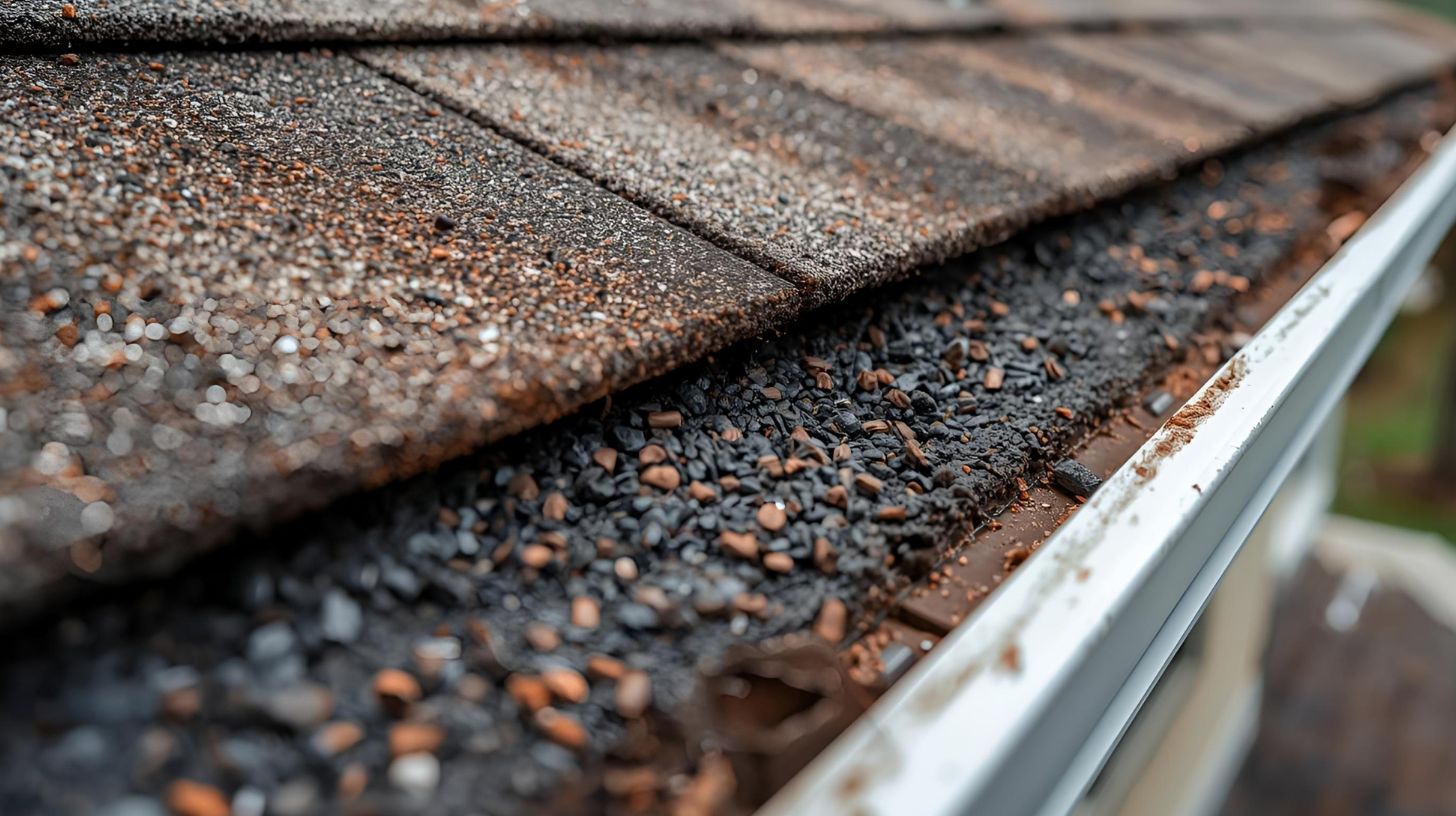
Over time, asphalt shingles naturally shed some of their protective granules, but if you start finding piles of them in your gutters or near downspouts, it’s a sign of significant aging. Granules are crucial for UV protection—once they wear away, the shingles dry out and become brittle under Florida’s intense sun.
This type of damage accelerates during hurricane season, as heavy rain and wind can strip already weakened shingles. Replacing worn-out shingles early prevents water damage and improves your roof’s resistance to future storms.
7. Mold or Algae Growth
In humid climates like Florida, dark streaks on your roof may not just be dirt—they’re often algae or mold. While some forms are mostly cosmetic, others indicate trapped moisture that can degrade roofing materials. Left untreated, this growth can spread beneath shingles or tiles, damaging the underlayment and creating an unhealthy environment inside the home.
Routine cleaning and roof treatments are an important part of preventive maintenance. A professional roofer can safely remove mold without damaging the material, using methods suited for your specific roof type.
8. Damaged Flashing Around Vents and Chimneys
Flashing seals the areas where your roof meets vertical structures like chimneys, skylights, or vents. When flashing cracks, bends, or lifts away, water can sneak in through the smallest gaps. This type of leak is particularly common in Florida after strong winds loosen the metal around roof penetrations.
Because flashing damage often hides behind caulking or under tiles, homeowners may not notice the problem until ceiling stains appear. Regular roof inspections help catch these early and prevent larger repair needs.
9. Clogged Gutters and Water Overflow
Many homeowners don’t immediately connect clogged gutters to roof damage, but they’re closely related. When gutters fill with debris, rainwater can’t flow away properly and instead pools near the roof’s edge. Over time, this standing water seeps under shingles or fascia boards, causing wood rot and interior leaks.
Florida’s oak and palm trees shed heavily year-round, making gutter maintenance especially important. A clean, well-draining system protects both the roof and the home’s foundation during torrential downpours.
10. Increased Energy Bills
Sometimes, roof damage doesn’t show up as a visible leak or missing tile—it appears on your electric bill. A compromised roof allows hot air to penetrate your attic, forcing the air conditioning system to work harder. Damaged insulation, deteriorated underlayment, or ventilation issues can all contribute to this problem.
If your home feels warmer than usual or you notice a steady climb in energy costs, it may be time for a professional roof assessment. Sealing and repairing the roof can quickly restore comfort and efficiency, especially during Florida’s summer heat.
Protecting Your Property Starts with Awareness
Roof problems in Florida rarely stay small for long. Between the constant UV exposure, salty coastal air, and hurricane-force winds, even minor issues can escalate quickly. Recognizing the warning signs early gives you the upper hand and helps you make informed decisions about maintenance, repairs, or replacement.
At Allstate Construction Roofing, we believe clients deserve peace of mind knowing their roof is ready for any season. Inspections, professional repairs, and high-quality materials designed for Florida’s environment are key to achieving that.
Whether you’ve noticed one of the signs above or simply want a seasonal check-up before the next storm, our team is ready to help keep your roof secure and your home protected year-round.