When homeowners start planning a roof repair or replacement, one of the first unfamiliar terms they often hear is “roofing square.” It comes up in estimates, insurance paperwork, and conversations with contractors, yet it’s rarely explained in plain language. At Allstate Construction Roofing, we believe understanding the basics helps homeowners feel more confident about their decisions and their investment.
A roofing square is a standard unit of measurement used across the roofing industry. It allows contractors, suppliers, and inspectors to speak the same language when calculating materials, labor, and costs. Whether you are preparing for a full roof replacement after a Florida storm or simply comparing estimates, knowing what a roofing square means puts you in a stronger position.
In our day-to-day work providing roof replacement and roof repair services across Southwest Florida, we rely on roofing squares to ensure accurate material orders and clean, efficient installations. This article breaks down exactly what a roofing square is, how it’s calculated, and why it matters for your home.
The Definition of a Roofing Square
A roofing square represents 100 square feet of roof surface area. It does not refer to a physical shape on your roof. Instead, it is a measurement unit that helps standardize how roofing materials are sold and installed.
When a contractor says your roof is “30 squares,” that means the total surface area of your roof equals roughly 3,000 square feet. This measurement includes all roof planes, slopes, and sections that will receive roofing material.
Roofing manufacturers package many products based on this unit. Asphalt shingles, underlayment, and certain accessories are often sold by the square or in bundles designed to cover one square. Using this standard keeps calculations consistent from the supplier to the job site.
Why the Roofing Industry Uses Squares
Roofing surfaces are rarely simple rectangles. Homes in Florida often have multiple slopes, hips, valleys, and architectural details designed to handle heavy rain and wind. Measuring every roof in simple square footage alone would invite errors and miscommunication.
The roofing square simplifies estimating and ordering. It gives contractors a reliable way to account for material needs across complex roof designs while also factoring in waste, overlaps, and starter materials.
Insurance companies also rely on roofing squares when reviewing claims. After storm or hurricane damage, adjusters use square measurements to determine replacement scope and payout amounts. That makes it especially important that square counts are accurate and professionally calculated.
How Roofing Squares Are Calculated
Calculating roofing squares starts with measuring the length and width of each roof section. Each section’s square footage is calculated separately, then added together to determine the total roof area.
Once the total square footage is known, it is divided by 100. The result is the number of roofing squares. A roof with 2,400 square feet of surface area equals 24 roofing squares.
Roof pitch plays an important role in this calculation. A steeper roof has more surface area than a flat roof with the same footprint. Professional roof measurements account for pitch using pitch multipliers, which ensure the square count reflects the true surface area, not just what you see from above.
Why Pitch and Design Matter So Much
In Southwest Florida, roof pitch is carefully chosen to manage rainwater and wind uplift. A steeper pitch sheds water faster and performs better during heavy storms, but it also increases the total surface area.
Architectural features like dormers, valleys, hips, and multiple ridgelines add complexity. Each of these elements increases material needs and labor time. A simple gable roof might measure cleanly, while a hip roof with intersecting planes requires detailed calculations.
This is one reason professional measurements are critical. Online calculators and rough estimates often miss these details, leading to material shortages or inaccurate pricing.
Roofing Squares and Shingle Bundles
Many homeowners are surprised to learn that shingles are not sold individually by the square at retail. Asphalt shingles are usually packaged in bundles, with a specific number of bundles required to cover one roofing square.
Most standard three-tab shingles require three bundles per square. Many architectural shingles also require three bundles, though some heavier styles may require four. This varies by manufacturer and product line.
A contractor ordering materials must know both the number of squares and the bundle coverage rate. That ensures the right amount of shingles arrive on site, along with extra material to account for cutting, waste, and future repairs.
Waste Factor and Why It’s Included
No roofing project uses exactly 100 percent of the materials ordered. Cuts around edges, valleys, vents, and ridges create unavoidable waste. Roof design complexity increases that waste percentage.
A simple roof may only need an additional 5 to 7 percent of material. More complex roofs often require 10 to 15 percent extra. Professional estimates include this waste factor to prevent delays and incomplete installations.
When reviewing an estimate, homeowners may notice the square count seems higher than expected. In many cases, that difference reflects proper waste planning rather than overcharging.
Roofing Squares and Labor Costs
Labor is also calculated using roofing squares. Crews plan their workload, scheduling, and timelines based on square counts. A 15-square roof requires far less time and manpower than a 40-square roof.
Steepness, height, and access also affect labor costs. A two-story home with a steep pitch requires additional safety equipment and setup time. These factors are often tied back to the number of squares and overall roof complexity.
Understanding this connection helps homeowners see why two roofs with similar square footage may have different labor costs.
Roofing Squares in Estimates and Contracts
A professional roofing estimate should clearly state the number of squares being installed. This creates transparency and allows homeowners to compare estimates accurately.
If one contractor lists 28 squares and another lists 34 squares for the same home, that difference deserves an explanation. It may be due to measurement methods, pitch calculations, or included waste. Asking for clarification protects you from surprises later.
Contracts also reference squares when outlining the scope of work. This ensures both parties agree on the amount of material and labor involved before work begins.
Insurance Claims and Roofing Squares
After storm damage, insurance adjusters calculate roof damage using squares. Partial repairs may be approved for a certain number of squares, while full replacements are based on the total square count.
Accurate measurements are essential during this process. An underestimated square count can leave homeowners short on coverage. A professional roofing inspection helps ensure insurance paperwork reflects the true scope of work required.
In Florida’s storm-prone environment, this step can make a meaningful difference in claim outcomes and repair quality.
Why Professional Measurement Matters
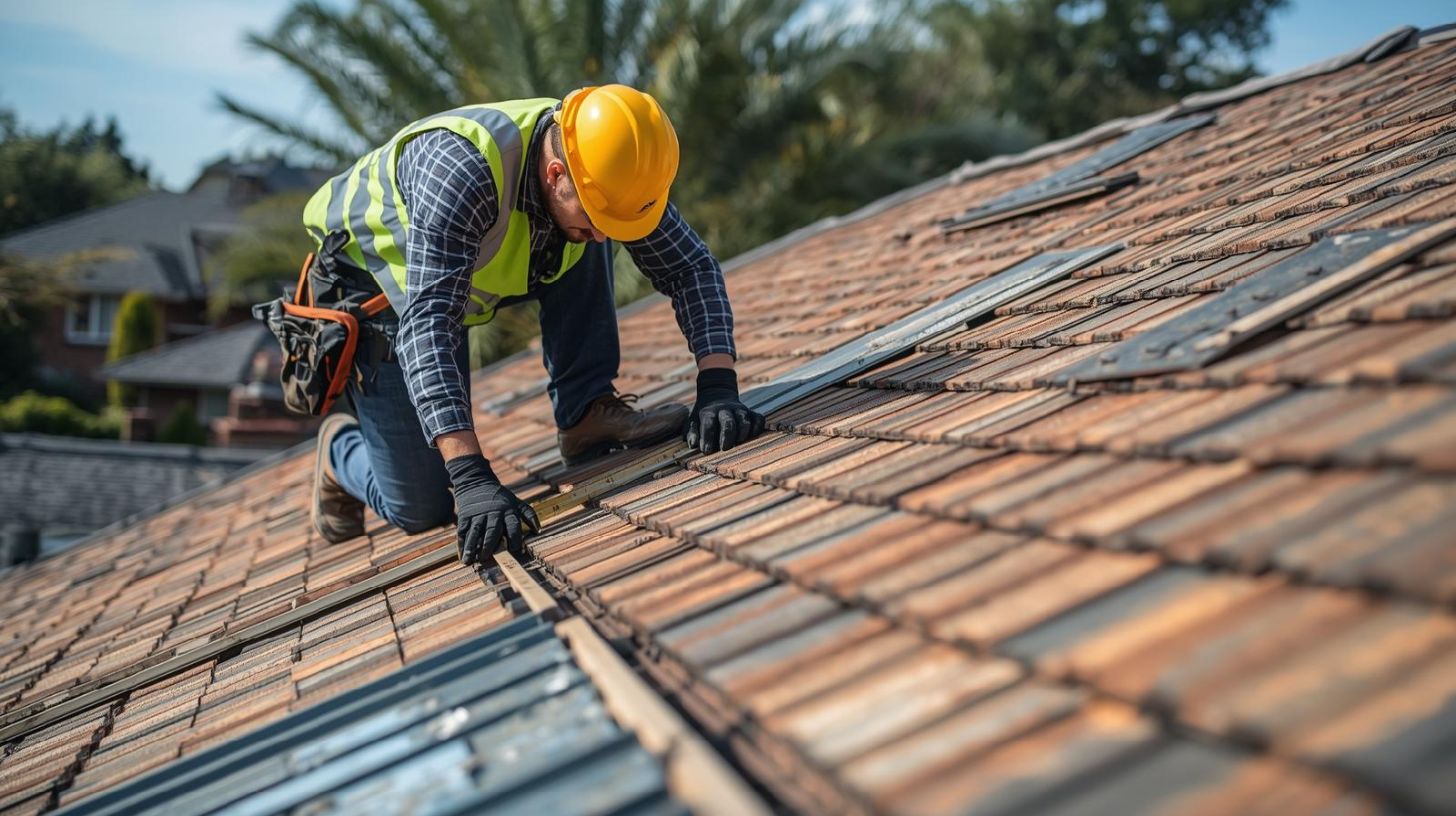
Measuring a roof accurately requires training, experience, and the right tools. Professional roofers use a combination of on-site measurements, pitch gauges, and aerial measurement technology to calculate precise square counts.
Small errors add up quickly when multiplied across an entire roof. Inaccurate measurements can lead to material shortages, change orders, and project delays. Professional measurement helps keep projects on schedule and within expectations.
At Allstate Construction Roofing, accurate square calculations are part of how we deliver consistent workmanship and clear communication to every customer.
Roofing Squares and Long-Term Planning
Understanding roofing squares also helps with long-term planning. Homeowners who know their roof’s square count can better budget for future replacements, upgrades, or repairs.
It also helps when evaluating material options. Heavier or premium materials may cost more per square, while lighter options may offer savings. Knowing your square count allows you to see how those choices affect total project cost.
This knowledge supports smarter decisions and fewer surprises over the life of your roof.
Final Thoughts
A roofing square may sound like contractor jargon, but it plays a central role in how roofs are measured, priced, and installed. It represents 100 square feet of roof surface area and serves as the foundation for material orders, labor planning, and insurance claims.
For homeowners in Southwest Florida, where roofs face intense sun, heavy rain, and hurricane-force winds, accuracy matters. Understanding how roofing squares work helps you ask better questions, review estimates with confidence, and protect your investment.
When measurements are done right, projects run smoother and results last longer. That’s why roofing squares are more than just a number. They are a key part of building a roof you can trust.