Professional Soffit & Fascia Repair for Southwest Florida Homes
Damaged soffit and fascia can expose your roof system to moisture, pests, and Florida’s harsh weather. Allstate Construction Roofing provides soffit & fascia repair for loose, rotted, cracked, or storm-damaged sections. Our team checks the source of the problem before recommending repairs. With more than 30 years of experience, we understand how Southwest Florida weather affects roof edges and exterior materials.
Why Soffit and Fascia Repair Matters for Your Home
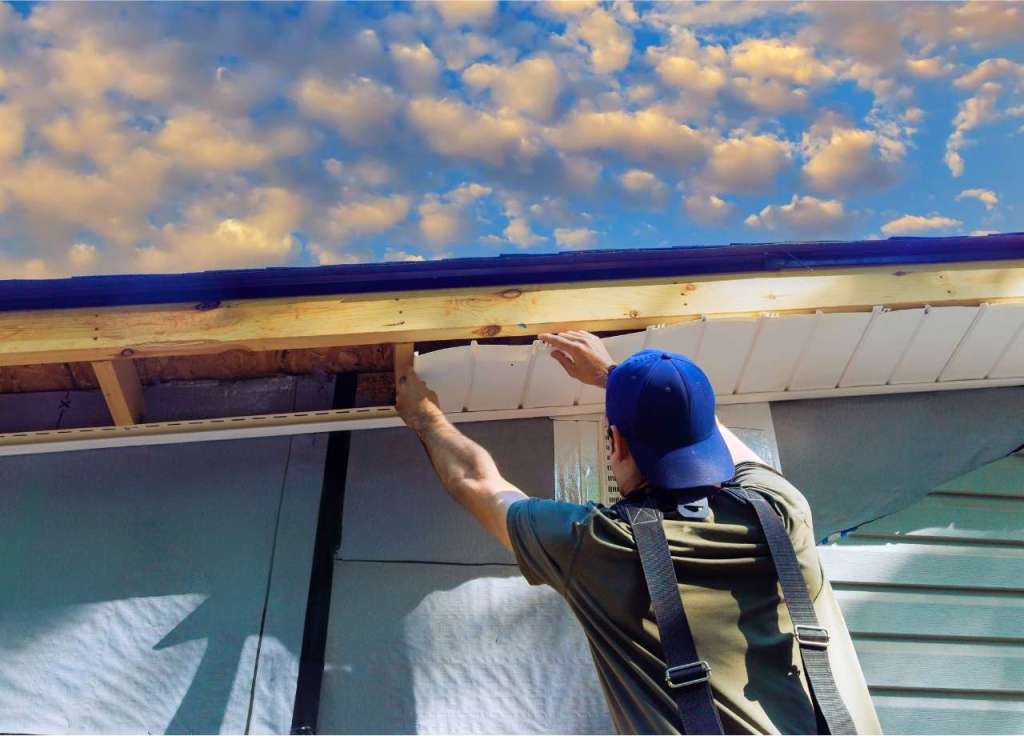
Soffit and fascia may look like finishing details, but they help protect important parts of your home. Fascia runs along the roof edge and supports the area where gutters are commonly attached. Soffit covers the underside of the roof overhang and often includes vents that help air move through the attic.
Southwest Florida weather puts these materials under regular stress. Heavy rain, strong winds, humidity, salt air, and tropical storms can loosen panels, weaken boards, and allow moisture into exposed areas. Small gaps may also give insects, birds, and other pests a way into the roof or attic.
Timely soffit & fascia repair can prevent minor damage from spreading. A damaged section may be caused by a roof leak, failing flashing, gutter problems, wind damage, or aging materials. Finding the source is important so the same issue does not return after repairs.
Ventilation should also be considered. Many Florida homes use vented soffits to help control heat and moisture inside the attic. Improper repairs or blocked vents can reduce airflow and place added stress on roofing materials.
Allstate Construction Roofing checks the visible damage along with nearby roofing components. Proper repairs help restore the roofline, maintain ventilation, and protect areas around the eaves from Florida weather.
Signs You May Need Soffit & Fascia Repair
Soffit and fascia damage can be difficult to notice from the ground. Homeowners often discover a problem after seeing peeling paint, stains, loose panels, or changes around the gutters.
Moisture is one of the most common causes of damage. Dark stains, soft wood, warping, or peeling finishes can point to repeated water exposure. Loose or missing soffit panels may also allow wind-driven rain and pests into protected areas.
Gutters can provide another warning. Gutters that sag or pull away from the home may indicate weakened fascia or damaged attachment points. After strong Florida storms, it is helpful to inspect the roof edge safely from the ground.
Most residents can remain in their homes during roofing work. Advance notices, clear schedules, and coordinated project planning help minimize disruptions. Temporary access restrictions or parking adjustments may be necessary depending on the scope of work.
Professional roof inspections are generally recommended at least once a year and after major storms. Regular inspections help identify developing issues early and support better maintenance planning.
Yes. Many multi-family communities choose phased roofing projects to align with budget requirements and operational priorities. A phased approach allows buildings to be addressed over time while maintaining overall project organization and consistency.
Common signs include:
- Rotted, cracked, or soft fascia boards
- Loose or missing soffit panels
- Peeling paint or water stains
- Pest activity near the roofline
- Gutters pulling away from the fascia
- Mold or mildew around the eaves
- Visible damage after strong winds or storms
Early repairs can reduce the risk of moisture reaching roof decking, attic spaces, and nearby exterior materials.
What to Expect From a Soffit & Fascia Repair Service
A soffit & fascia repair should begin with identifying the cause of the damage. Replacing a loose panel or damaged board without addressing a leak, gutter issue, or failed attachment may allow the problem to return.
During an inspection, a roofing professional can check the soffit, fascia, gutters, flashing, and nearby roofing materials for visible damage or moisture. Damaged sections can then be removed and replaced with materials suited to the home and Florida climate.
Material selection matters in Southwest Florida because humidity, rain, strong sunlight, coastal air, and storms can shorten the life of poorly suited exterior products. Vented soffit sections should also be installed correctly so attic airflow is maintained.
For storm-related damage, homeowners may want photographs and a professional assessment for their records. Insurance coverage varies by policy and cause of damage, so coverage questions should be discussed directly with the insurance carrier.
Our team provides careful soffit and fascia repairs with clear communication throughout the process. Addressing these problems early can help protect your roof edge and keep moisture outside your home.
Frequently Asked Questions
Look for rotting wood, cracks, stains, peeling paint, loose panels, pest openings, or gutters pulling away from the roofline. A professional inspection can determine the extent of the damage and identify its cause.
Yes. Damaged areas can allow moisture or pests into protected parts of the roof and attic. Blocked or damaged soffit vents may also reduce attic airflow and contribute to excess heat and moisture.
Yes. Check the roofline from the ground for missing panels, exposed wood, bent sections, or shifted gutters after strong winds or tropical storms. If anything looks damaged, a professional inspection can help identify visible and less obvious problems.