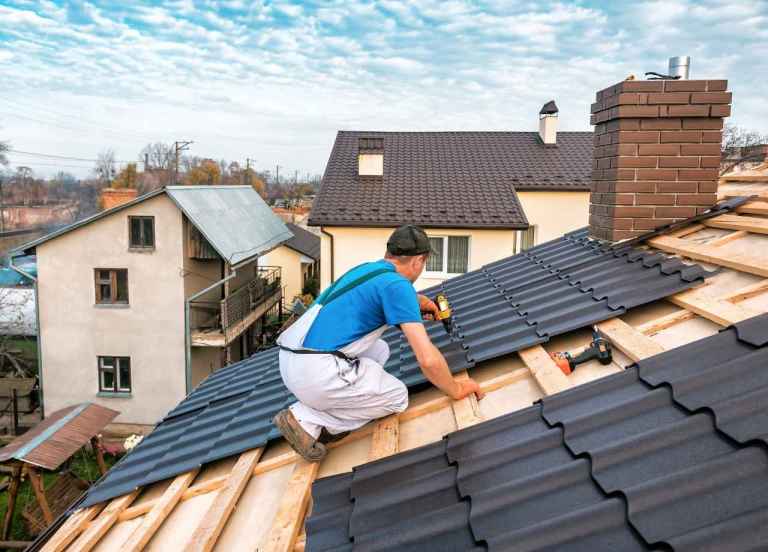
Curling shingles are one of the most common warning signs we see when inspecting residential roofs across Southwest Florida. Homeowners often notice the edges of shingles lifting or the center of the shingle starting to rise and wonder if it is a cosmetic issue or something more serious. From our experience as a roofing company that has worked on Florida homes for decades, curling shingles are rarely just a surface problem. They usually point to deeper issues related to age, ventilation, moisture, or installation conditions.
In Florida’s climate, roofing systems work hard every single day. Constant sun exposure, high humidity, heavy rains, and seasonal storms all put stress on asphalt shingles. When shingles begin to curl, the roof is telling you that something is no longer functioning as intended. This is often the stage where a professional roof inspection or roof repair service becomes important, not as a sales step, but as a way to prevent avoidable damage to the structure beneath the shingles.
Understanding why shingles curl, how to identify the different types of curling, and what risks come with ignoring the problem can help homeowners make informed decisions.
What Does It Mean When Shingles Curl?
Curling shingles occur when asphalt shingles lose their flat, sealed position against the roof deck. Instead of lying flush, parts of the shingle lift upward. This breaks the protective barrier designed to shed water, resist wind, and protect the underlying materials.
Curling is not a single condition. It shows up in different patterns, and each pattern can suggest a different underlying cause. In Florida, we frequently see curling accelerated by heat buildup in the attic, moisture trapped beneath the shingles, and long-term UV exposure that dries out the asphalt over time.
Once curling begins, shingles become more vulnerable to wind uplift and water intrusion. Rain can be driven underneath the lifted edges, and strong gusts during summer storms can tear shingles completely off the roof.
Common Types of Shingle Curling
Not all curling shingles look the same. Recognizing the pattern helps determine the cause and the urgency of the situation.
Cupping Shingles
Cupping occurs when the edges of the shingle turn upward while the center remains relatively flat. This creates a shallow bowl shape. Cupping is commonly linked to long-term weathering and moisture imbalance. In humid climates, moisture absorbed from below combined with intense sun exposure from above can slowly distort the shingle’s shape.
Cupping is often seen on older roofs, but it can also appear prematurely when attic ventilation is inadequate. When heat and moisture cannot escape properly, shingles age faster and lose flexibility.
Clawing Shingles
Clawing is when the center of the shingle lifts upward while the edges stay down, resembling a claw. This type of curling usually points to excessive heat exposure over time. In Southwest Florida, poorly ventilated attics can reach extreme temperatures, baking shingles from the underside.
Clawing often indicates that the roof is nearing the end of its service life. When we see widespread clawing during an inspection, it usually means the shingles have become brittle and repairs may only offer short-term relief.
Edge Curling
Edge curling involves the corners or sides of shingles lifting without dramatic deformation across the entire shingle. This can be caused by installation issues, manufacturing defects, or early stages of aging. In some cases, isolated edge curling can be repaired if addressed early, especially if the shingles are otherwise in good condition.
Why Shingles Curl in Florida Homes
Florida roofs face conditions that accelerate shingle deterioration. Curling rarely happens for just one reason. It is usually the result of several contributing factors working together.
Heat and UV Exposure
The sun is one of the most aggressive forces acting on a roof. Asphalt shingles rely on oils within the asphalt to remain flexible. Years of intense sunlight gradually dry out these oils, causing shingles to stiffen and curl. South- and west-facing roof slopes often show curling earlier because they receive the most direct sun exposure.
Poor Attic Ventilation
Ventilation plays a major role in roof health. When hot air becomes trapped in the attic, it heats the roof deck from below. This constant heat stress weakens shingles and speeds up curling. Proper intake and exhaust ventilation help regulate attic temperatures and reduce moisture buildup.
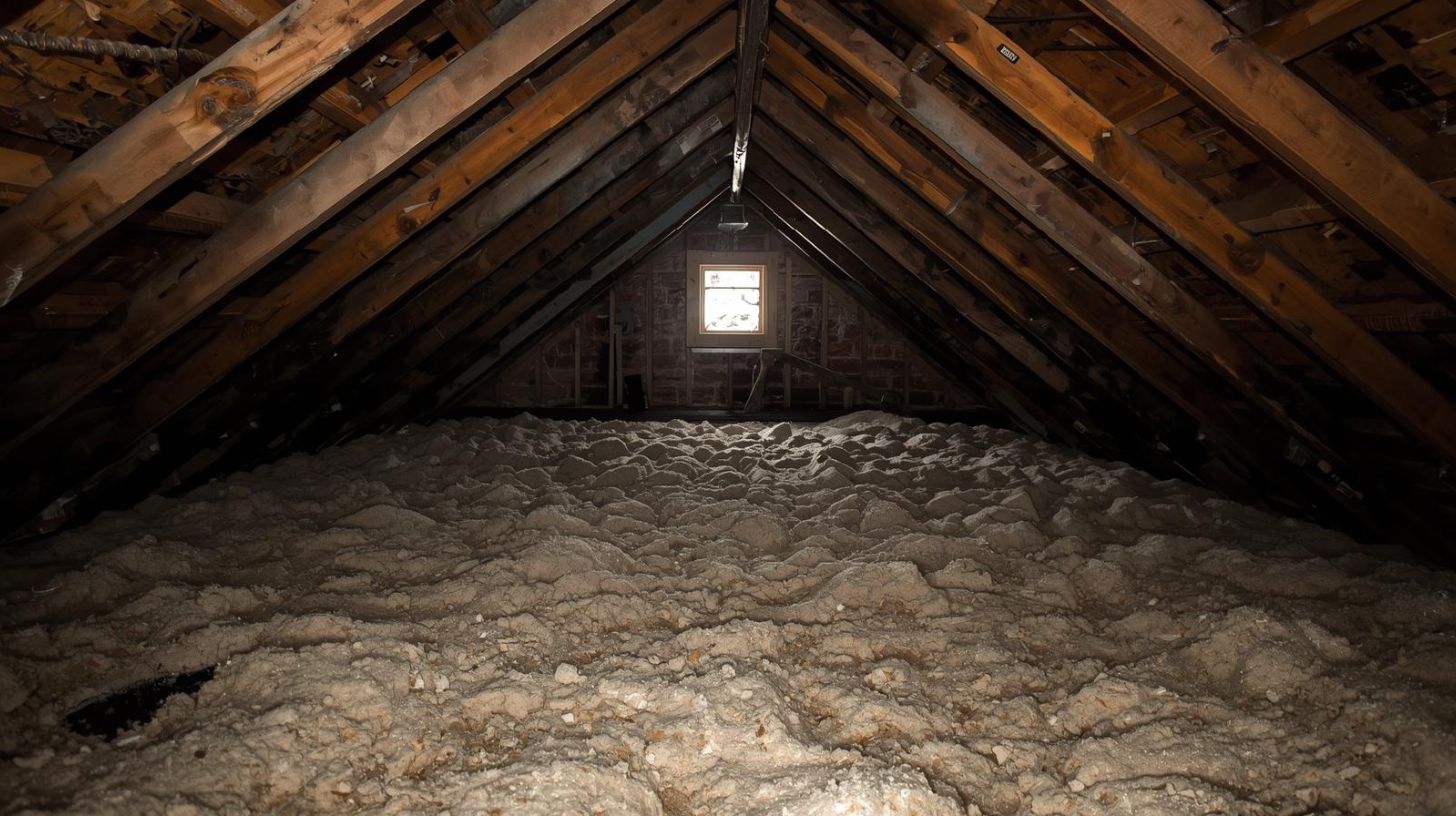
In our inspections, inadequate ventilation is one of the most common contributors to curling shingles, especially on roofs that are otherwise not very old.
Moisture Problems
Moisture can come from inside the home or from external sources. Bathroom fans venting into the attic, roof leaks, or blocked ventilation pathways allow moisture to accumulate. When shingles absorb moisture from below and dry from above, they expand and contract unevenly, leading to curling.
Florida’s humidity makes moisture management especially important. Even small ventilation issues can create long-term problems if left unresolved.
Installation Errors
Improper installation can shorten the lifespan of shingles. Overdriven nails, insufficient nailing, incorrect shingle alignment, or installing shingles in unsuitable weather conditions can all lead to curling over time. Shingles installed on uneven or damaged decking may also fail prematurely.
While installation issues may not show immediate symptoms, curling can appear years later as the roof is exposed to heat and weather.
Natural Aging
Asphalt shingles are not designed to last forever. As they approach the end of their expected lifespan, curling becomes more common. In Florida, the lifespan of shingles can be shorter than in cooler climates due to environmental stress. Curling is often one of the final visible signs that shingles are wearing out.
Why Curling Shingles Are a Serious Concern
Curling shingles are more than a visual issue. They compromise the roof’s ability to protect the home.
When shingles lift, wind can get underneath them more easily. This increases the risk of blow-offs during storms. Water can also penetrate beneath curled shingles, leading to leaks, wood rot, insulation damage, and even mold growth inside the attic.
Insurance companies often consider curling shingles a sign of wear or deferred maintenance. If damage occurs and the roof already shows curling, coverage disputes can arise. Addressing curling early helps protect both the structure and your investment.
Can Curling Shingles Be Repaired?
In some cases, yes. Repair options depend on the extent of the curling, the age of the roof, and the condition of surrounding shingles.
Minor edge curling on a relatively young roof may be corrected by sealing or replacing affected shingles. Improving attic ventilation can also slow further curling and help the roof perform better overall.

When curling is widespread, clawing is present, or shingles are brittle, repairs are usually temporary. At that point, replacement becomes the more reliable solution. During professional evaluations, we look beyond the surface to assess decking, ventilation, and moisture conditions before recommending a path forward.
When Curling Means It’s Time for Replacement
A roof with extensive curling across multiple slopes is typically nearing the end of its service life. If shingles crack when handled or granules are heavily worn away, replacement is often the safest option.
In Florida, replacing a roof before major failure can prevent interior damage during storm season. A new roofing system also allows for upgrades to ventilation and underlayment, improving long-term performance and energy efficiency.
Preventing Shingle Curling in the Future
Preventive steps can significantly reduce the risk of curling on a new or existing roof. Proper attic ventilation is one of the most effective measures. Balanced intake and exhaust airflow help regulate temperature and moisture year-round.
Using high-quality shingles rated for Florida conditions also matters. Not all asphalt shingles perform the same under extreme heat and UV exposure. Professional installation ensures proper fastening, alignment, and sealing, all of which contribute to shingle longevity.
Routine roof inspections help catch early signs of curling or ventilation issues before they escalate. In our experience, homeowners who schedule periodic inspections often avoid unexpected repairs and extend the life of their roofing system.
Final Thoughts
Curling shingles are one of the clearest signals that a roof needs attention. They rarely fix themselves and almost always worsen over time. In Florida’s demanding climate, ignoring curling shingles can lead to leaks, storm damage, and costly repairs.
Understanding the causes and risks allows homeowners to act early and protect their property. Whether the solution involves targeted repairs, ventilation improvements, or planning for a future replacement, addressing curling shingles promptly helps maintain the safety and value of your home.
A roof is a system, not just a layer of shingles. When shingles curl, it is worth looking at the entire system to ensure it continues to do its job through Florida heat, rain, and storms for years to come.