When homeowners think about a tile roof, they usually focus on the tiles they can see from the street. The color, style, and durability of the tiles often get the most attention, especially since many tile roofs can last for decades. What is often overlooked is the layer hidden beneath those tiles that plays a major role in protecting the home from water damage.
Tile roofs are designed to shed water, but they are not completely waterproof. Rain driven by strong winds, storms, and Florida’s intense weather conditions can find its way beneath the tiles. That is where the roof underlayment becomes essential. Acting as a protective barrier between the tiles and the roof deck, underlayment helps keep moisture out and protects the structure below.
At Allstate Construction Roofing, we often see tile roofs where the tiles themselves remain in good condition while the underlayment has reached the end of its service life. Understanding the purpose of underlayment and recognizing when replacement may be needed can help homeowners protect their investment and avoid costly repairs down the road.
What Is Tile Roof Underlayment?
Tile roof underlayment is a protective membrane installed directly over the roof deck before the tiles are placed. While roof tiles are designed to shed water, they are not completely waterproof on their own. Wind-driven rain, debris, and moisture can find their way beneath the tiles during severe weather events.
The underlayment acts as the secondary layer of defense. If water gets under the tile covering, the underlayment helps prevent it from reaching the roof deck and entering the home. It also protects the structure during periods when tiles may crack, shift, or become damaged.
Many homeowners assume that a tile roof’s lifespan is determined solely by the tiles. In reality, the condition of the underlayment often dictates when significant roofing work becomes necessary. It is not uncommon for concrete or clay tiles to remain functional for decades after the underlayment beneath them has deteriorated.
Why Underlayment Is So Important
A tile roof is designed as a complete system. Each component works together to manage water, withstand weather exposure, and protect the structure below.
The underlayment carries much of the responsibility for keeping moisture out of the home. During Florida’s rainy season, roofs can experience repeated exposure to heavy downpours, tropical storms, and high humidity. These conditions place constant stress on roofing materials.
When underlayment remains in good condition, it helps direct water away from vulnerable areas and protects the roof deck from prolonged moisture exposure. This reduces the risk of wood rot, mold growth, insulation damage, and interior leaks.
The underlayment also provides protection around roof penetrations, valleys, flashing details, and other areas where water tends to concentrate. These locations often experience the greatest wear over time and are frequently where roofing issues first appear.
Without a reliable underlayment layer, even a roof covered with high-quality tiles can become vulnerable to leaks.
Common Types of Tile Roof Underlayment
Several types of underlayment have been used beneath tile roofs over the years. The type installed often influences how long the system will last before replacement becomes necessary.
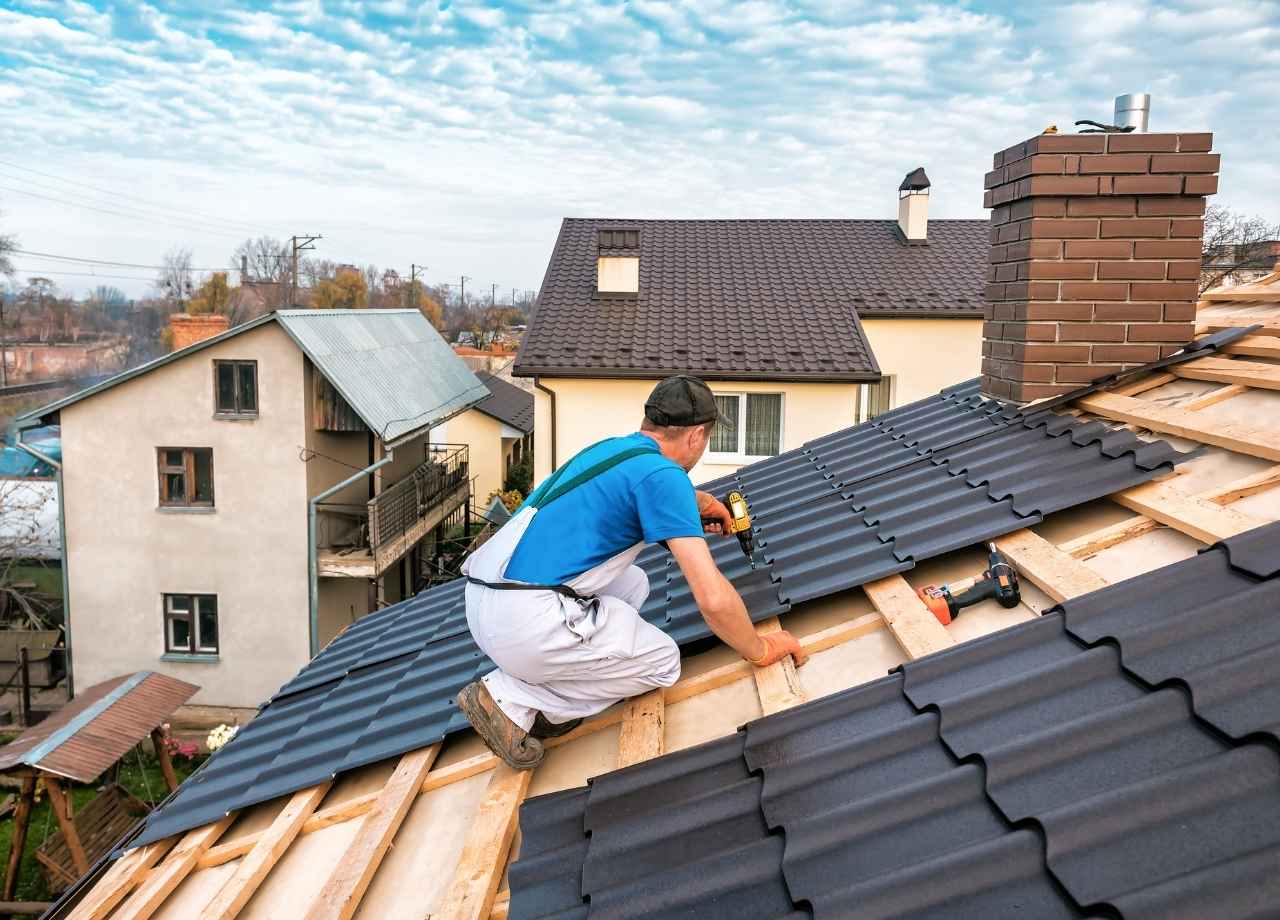
Asphalt-Saturated Felt
Traditional felt underlayment has been used in roofing systems for decades. It provides basic water resistance and can perform adequately under many conditions.
Over time, felt can become brittle due to heat exposure and age. In Florida’s climate, prolonged UV exposure during installation and years of high temperatures can accelerate deterioration.
Many older tile roofs still contain felt underlayment that may be approaching or exceeding its intended service life.
Synthetic Underlayment
Synthetic underlayments have become increasingly popular due to their durability and performance characteristics. These materials are typically lighter, stronger, and more resistant to tearing than traditional felt products.
Many synthetic products offer improved moisture resistance and can withstand temperature fluctuations more effectively. As a result, they are commonly used in modern tile roofing installations and replacements.
Self-Adhered Membranes
Premium roofing systems often incorporate self-adhered waterproof membranes. These products create a more robust barrier against water intrusion and are particularly beneficial in areas vulnerable to severe weather.
Many homeowners seeking maximum protection choose these systems during tile roof replacement projects because of their enhanced performance and longevity.
How Long Does Tile Roof Underlayment Last?
The lifespan of tile roof underlayment varies depending on material quality, installation methods, environmental conditions, and maintenance history.
Traditional felt underlayment may last approximately 20 to 30 years under favorable conditions. Synthetic underlayments and advanced membrane systems often provide longer service lives, though actual performance can vary from one property to another.
Florida’s climate can accelerate aging. Constant heat, humidity, seasonal storms, and occasional hurricane impacts place significant stress on roofing systems. Even when tiles appear intact from the ground, the underlayment beneath them may be nearing failure.
This is why professional inspections are valuable as roofs age. Surface appearances do not always reveal the true condition of the components underneath.
Signs Your Tile Roof Underlayment May Need Replacement
Because underlayment is hidden beneath the tiles, deterioration is not always obvious. Homeowners often become aware of problems only after leaks develop.
One of the most common warning signs is water staining on ceilings or walls. Even minor discoloration may indicate moisture intrusion occurring beneath the roofing system.
Recurring roof leaks are another indicator. If repairs seem to address one area only for leaks to appear elsewhere later, aging underlayment may be the underlying issue.
Broken or slipped tiles can also create opportunities for water penetration. While replacing damaged tiles can help, widespread underlayment deterioration may still leave the roof vulnerable.
In some cases, homeowners notice moldy odors in attic spaces or elevated moisture levels. These conditions can signal ongoing water infiltration that has not yet become visible inside living areas.
A roof approaching 20 to 30 years of age should also be evaluated carefully. Even without visible leaks, the underlayment may be reaching the end of its service life.
Why Replacing Underlayment Is Different From Replacing a Tile Roof
Many homeowners are surprised to learn that tile roof underlayment can often be replaced while reusing existing tiles.
During this process, roofing professionals carefully remove the tiles, inspect them for damage, replace the underlayment, and reinstall suitable tiles. This approach can preserve the appearance of the roof while renewing its water protection system.

The feasibility of tile reuse depends on the condition of the materials and the specific roofing system. Clay and concrete tiles frequently remain serviceable long after the original underlayment has deteriorated.
A professional evaluation helps determine whether underlayment replacement alone is appropriate or if a full roof replacement is the better long-term investment.
The Risks of Waiting Too Long
Delaying underlayment replacement can create problems that extend beyond the roof itself.
Once moisture reaches the roof deck, structural components can begin to deteriorate. Wood rot, mold growth, and insulation damage often develop gradually and may remain hidden for extended periods.
Interior repairs can become expensive when water infiltration affects drywall, flooring, cabinetry, or electrical systems. What begins as a relatively small roofing issue can grow into a much larger restoration project.
Waiting too long can also reduce opportunities to reuse existing tiles. If moisture damage becomes extensive, a more substantial roofing project may be required.
Addressing underlayment concerns early often helps homeowners avoid higher repair costs and unexpected disruptions.
Why Professional Inspections Matter
Tile roofs can be difficult to evaluate without specialized knowledge. Walking on tiles improperly can cause breakage, and many signs of underlayment deterioration remain concealed beneath the surface.
Professional roofing inspections involve assessing tile conditions, flashing details, roof penetrations, drainage patterns, and signs of moisture intrusion. Experienced roofing contractors can identify issues that may not be visible to homeowners.
At Allstate Construction Roofing, we encourage property owners to schedule inspections as tile roofs age, particularly after major storms or when the roof approaches the later stages of its expected service life. Early identification of underlayment problems allows for better planning and more effective solutions.
A detailed inspection can provide clarity about the roof’s condition and help determine the most practical path forward.
Protecting Your Investment for the Long Term
A tile roof represents a significant investment in your property. The visible tiles often receive the most attention, but the underlayment beneath them plays an equally important role in protecting your home.
When underlayment remains in good condition, it helps prevent leaks, safeguards structural components, and supports the long-term performance of the entire roofing system. When it begins to fail, the risk of moisture-related damage increases substantially.
Regular inspections, timely maintenance, and proactive replacement planning can help extend the life of a tile roof while reducing the likelihood of costly repairs. For homeowners throughout Southwest Florida, understanding the condition of the underlayment is one of the most important steps in preserving both the roof and the home it protects.
A well-maintained tile roof can provide decades of reliable service, but its success depends on more than the tiles alone. The underlayment hidden beneath the surface is often the true guardian against water intrusion, making it one of the most important components of the entire roofing system.