At Allstate Construction Roofing, we spend a lot of time inspecting roofs that look fine from the street but tell a very different story once we get closer. One issue we regularly find on homes and commercial buildings across Southwest Florida is shingle delamination. Many property owners have never heard the term until it shows up in an inspection report or an insurance claim, yet it can have a serious impact on a roof’s performance and lifespan.
Delamination happens when the layers of an asphalt shingle begin to separate. Asphalt shingles are manufactured in layers that are bonded together to work as a single, durable unit. When that bond fails, the shingle loses much of its strength and weather resistance. During routine roof inspections or post-storm assessments, this is one of the conditions we pay close attention to because it often signals deeper issues that are not always visible from the ground.
Florida’s heat, humidity, and storm activity make delamination more than a manufacturing concern. It becomes a practical roofing problem that can affect water intrusion, wind resistance, and insurance eligibility. Understanding how and why it happens helps property owners make informed decisions before small problems turn into costly repairs.
What Shingle Delamination Actually Means
Asphalt shingles are made up of multiple components layered together. The base is typically a fiberglass mat that provides strength and shape. That mat is coated with asphalt for waterproofing and then topped with granules that protect the shingle from UV exposure and physical wear. During manufacturing, these layers are bonded under controlled conditions to create a single, unified product.
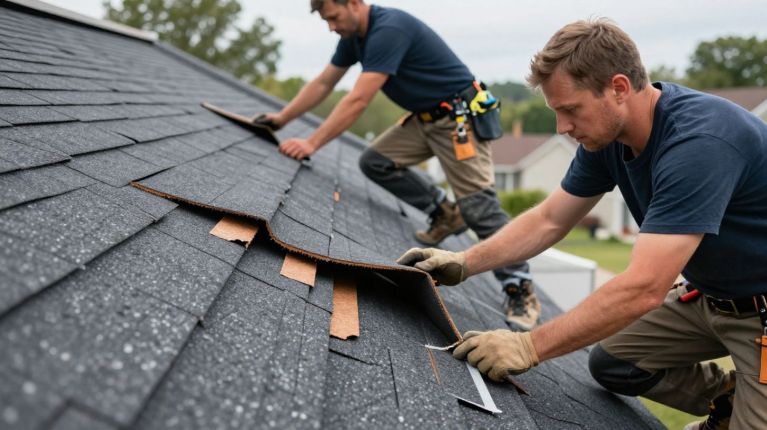
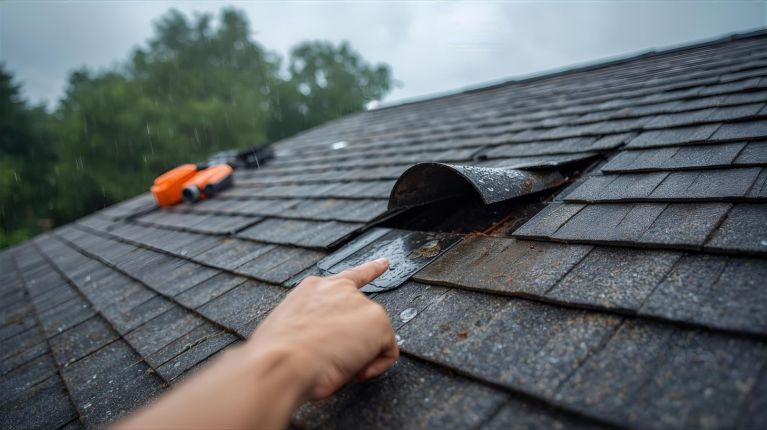
Delamination occurs when those bonded layers start to pull apart. This separation may appear as bubbling, lifting, curling, or visible splitting within the shingle itself. In some cases, the top portion of the shingle loosens while the base remains attached to the roof deck. In others, the shingle may separate internally without obvious surface damage, which is why professional inspection is so important.
Once a shingle delaminates, it no longer performs as designed. Wind can catch the loose layers, moisture can seep between them, and UV exposure accelerates deterioration. Over time, this weakens the surrounding shingles as well, increasing the risk of widespread roof failure.
Common Causes of Shingle Delamination
Manufacturing Defects
One of the most direct causes of delamination is a manufacturing defect. If the asphalt layers are not bonded properly during production, the shingles may look fine at installation but begin separating years later. In these cases, delamination can show up in consistent patterns across large sections of the roof, even if the roof is relatively young.
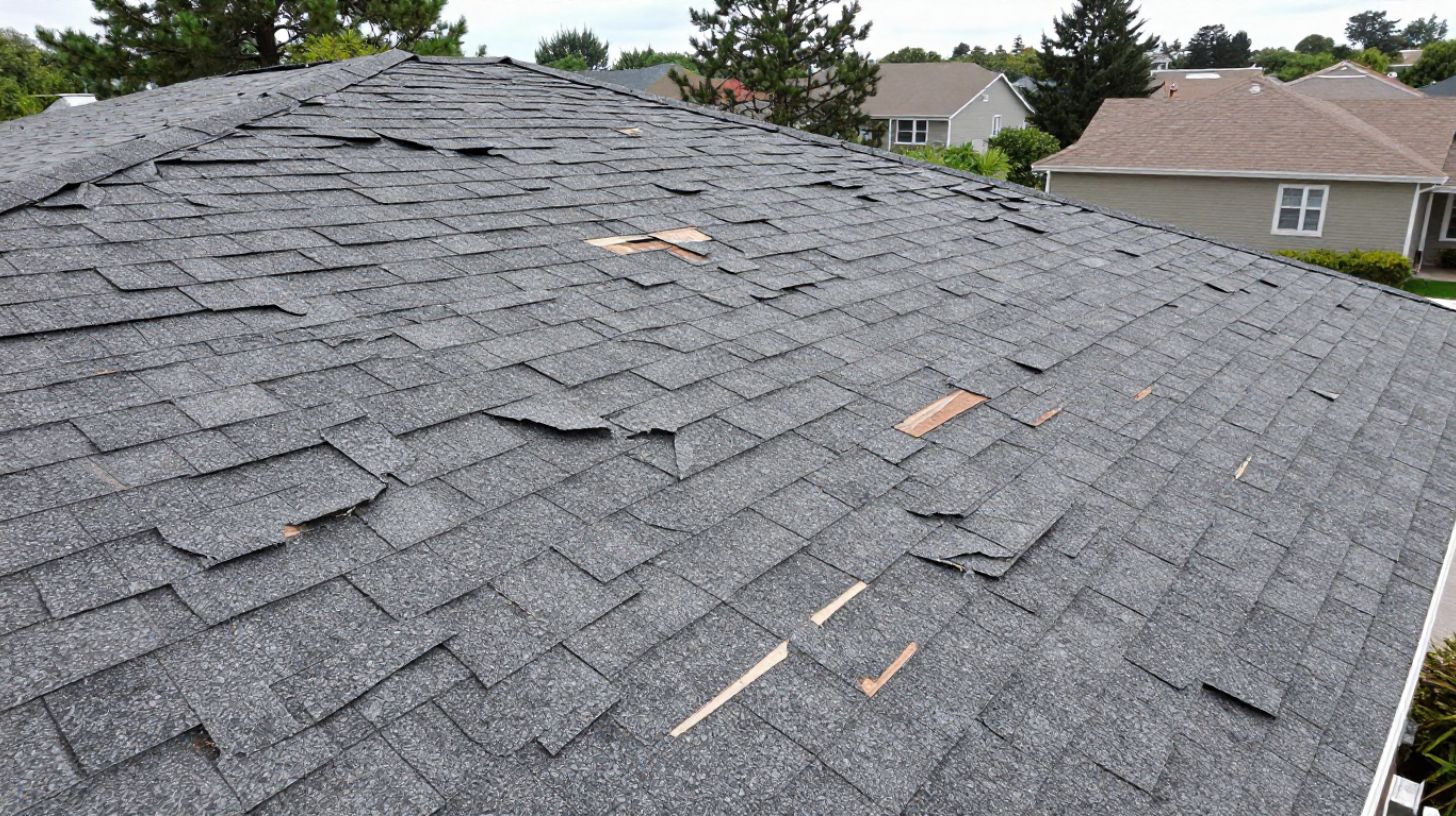
Defective shingles often fail sooner than expected, sometimes well before their advertised lifespan. When we inspect roofs with uniform delamination and minimal storm damage, we often recommend further evaluation to determine if the issue traces back to the product itself.
Prolonged Heat Exposure
Florida roofs endure intense heat for much of the year. Surface temperatures on shingles can climb well above the ambient air temperature, especially on darker roofs. Over time, excessive heat can cause the asphalt to dry out, soften, or lose its bonding strength.
When shingles repeatedly heat up during the day and cool down at night, that expansion and contraction stress the bond between layers. After years of exposure, this thermal cycling can lead to separation, even on properly manufactured shingles.
Moisture and Poor Ventilation
Moisture plays a major role in shingle failure. Poor attic ventilation allows heat and humidity to build up beneath the roof system. That trapped moisture can migrate into the shingles from below, weakening the adhesive bond between layers.
In Southwest Florida, where humidity levels remain high most of the year, inadequate ventilation is a frequent contributor to delamination. We often find that roofs with ventilation issues show premature aging, including delaminated shingles, granule loss, and warped decking.
Improper Installation Practices
Installation errors can also set the stage for delamination. Shingles installed in very cold or excessively hot conditions may not seal properly. Inadequate nailing patterns, overdriven fasteners, or misaligned shingles can create stress points that accelerate separation over time.
Even something as simple as installing shingles over an uneven deck can cause flexing that weakens the internal bond of the shingle. This is why experienced installation and adherence to manufacturer guidelines matter just as much as the materials themselves.
How Delamination Affects Roof Performance
A delaminated shingle is no longer a sealed barrier against the elements. Once layers separate, water can travel between them and reach the underlayment or roof deck. This may not immediately show up as a ceiling leak, but it can quietly damage the structure beneath the roof.
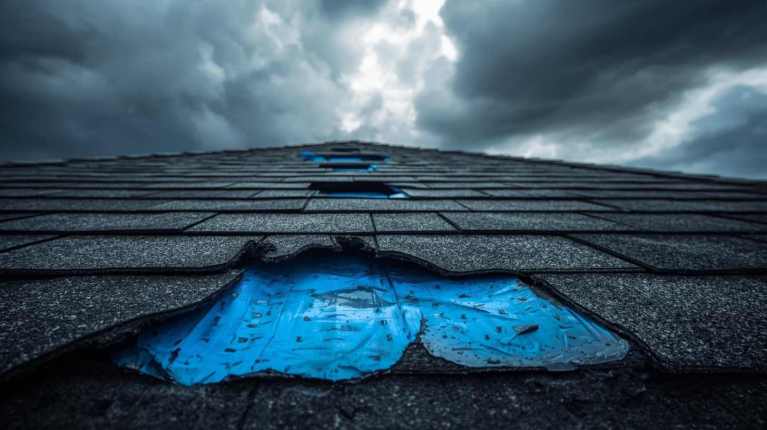
Wind resistance is another concern. Shingles are designed to lie flat and interlock as a system. When layers lift or peel, wind has an easier time getting underneath them. During Florida storms, even moderate winds can tear away weakened shingles, exposing large sections of the roof.
Delamination also shortens the overall lifespan of the roof. Instead of aging evenly, affected areas deteriorate faster, leading to patchwork repairs that may only offer temporary relief. Over time, the cost of repeated fixes can approach or exceed the cost of a full replacement.
Identifying Delamination During a Roof Inspection
From the ground, delamination can be hard to spot. Homeowners may notice uneven textures, raised edges, or shadowing on the roof surface. Granules collecting in gutters can also signal shingle deterioration, though granule loss alone does not confirm delamination.
A closer inspection often reveals more telling signs. Shingles may appear thicker in certain areas, or layers may visibly separate when gently lifted. In advanced cases, the top layer of the shingle may feel loose or brittle.
At Allstate Construction Roofing, our inspections focus on both visible damage and underlying conditions. We look at ventilation, decking integrity, fastening patterns, and surrounding shingles to determine whether delamination is isolated or part of a broader system issue. This approach helps property owners understand the real scope of the problem, not just the surface symptoms.
Delamination and Insurance Considerations in Florida
Insurance coverage for delaminated shingles can be complicated. If the issue stems from a manufacturing defect, coverage may fall under a product warranty rather than a homeowner’s policy. If storm activity accelerated the damage, there may be a path for an insurance claim, depending on policy language and documented conditions.
Florida insurers often scrutinize roof conditions closely. Delamination can raise questions about roof age, maintenance, and overall insurability. In some cases, visible shingle failure leads to policy non-renewals or requirements for repair or replacement.
Proper documentation is critical. A professional inspection report that clearly explains the cause and extent of delamination can make a significant difference when working with insurers or evaluating next steps.
Repair Versus Replacement: Making the Right Call
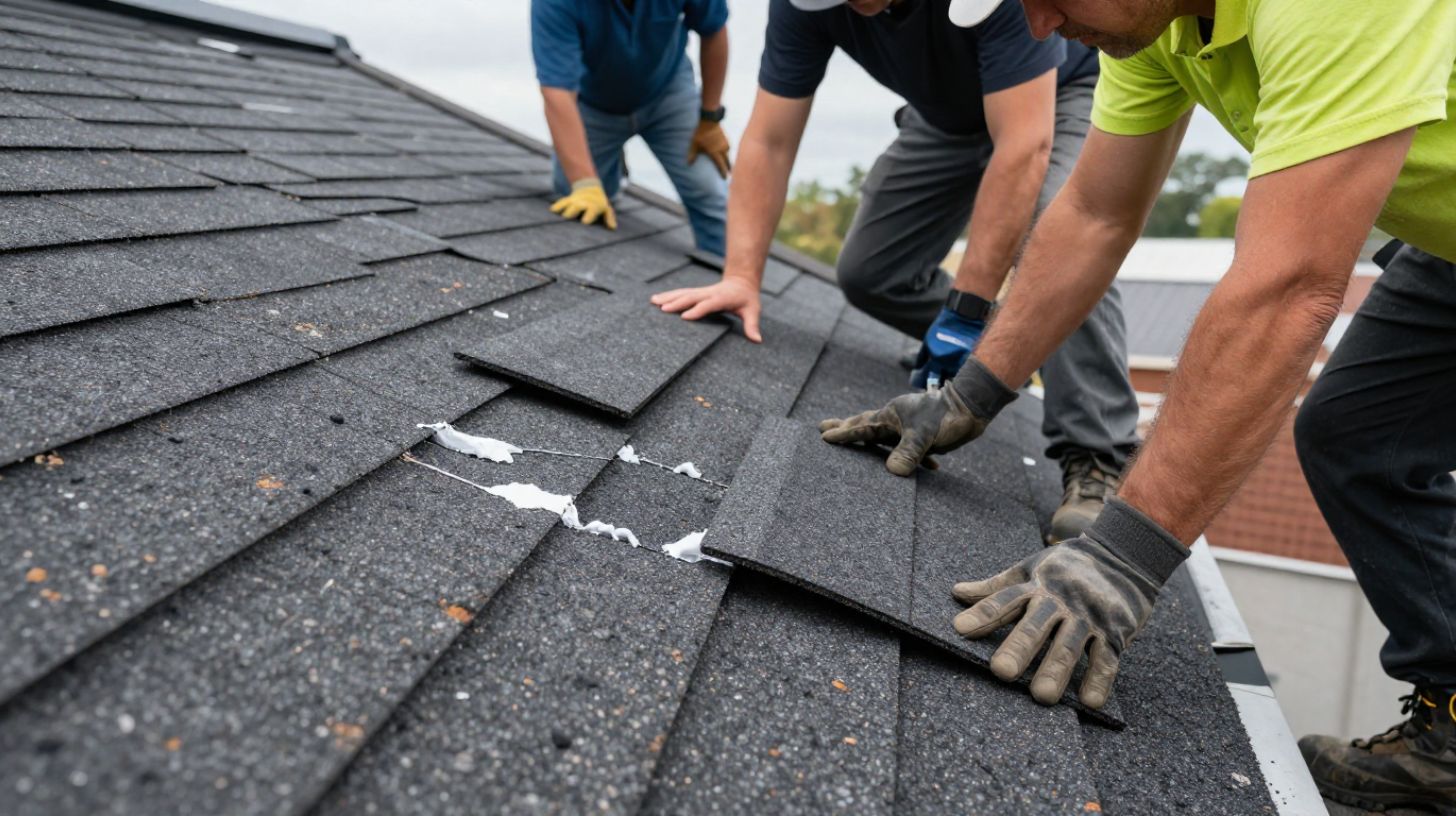
Not every instance of delamination requires a full roof replacement. Isolated areas on an otherwise healthy roof may be addressed with targeted repairs, provided the surrounding shingles remain well bonded and structurally sound.
Widespread delamination, especially on older roofs, usually points toward replacement as the more reliable option. Replacing a roof before extensive water damage occurs helps protect the structure, interior finishes, and insulation below.
When we advise clients, we look at the roof as a complete system. Age, material quality, ventilation, and exposure history all factor into whether repairs will hold up or simply delay an inevitable replacement.
Preventing Shingle Delamination in Coastal Climates
While no roof lasts forever, proper design and maintenance can slow the process of shingle separation. Adequate attic ventilation helps regulate temperature and moisture levels, reducing stress on the shingles from below. Using materials rated for high heat and wind conditions adds another layer of protection.
Routine inspections allow early detection of minor issues before they spread. Addressing small problems promptly often prevents the conditions that lead to delamination in the first place.
For Florida property owners, working with a roofing contractor who understands local weather patterns, building codes, and material performance makes a measurable difference. Roofs in this region face challenges that demand experience and attention to detail.
Why Professional Evaluation Matters
Delamination is rarely just a cosmetic issue. It often reflects deeper stresses within the roofing system that require trained eyes to diagnose accurately. Misidentifying the cause can lead to ineffective repairs and continued damage.
At Allstate Construction Roofing, we approach every roof with the understanding that it protects more than shingles and decking. It protects families, businesses, and long-term investments. Clear assessments and practical recommendations help property owners plan confidently, even when dealing with complex issues like shingle delamination.
Understanding this condition empowers homeowners to act early, avoid surprises, and keep their roofs performing as intended through Florida’s demanding climate.