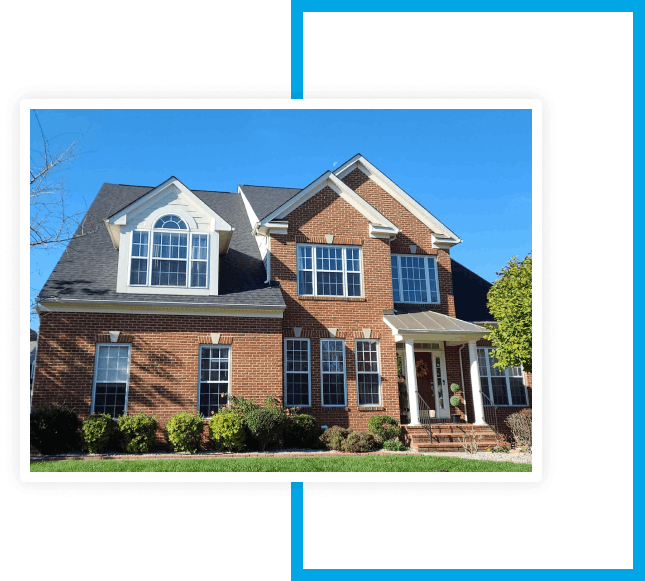
Your roof works every day to protect your home from sun, rain, wind, and storms. In Southwest Florida, that workload is even heavier due to intense heat, heavy rainfall, and hurricane season. Over time, every roof reaches a point where repairs stop being enough and replacement becomes the safer choice.
At Allstate Construction Roofing, we spend a lot of time inspecting roofs that look fine from the ground but have serious issues developing beneath the surface. Homeowners often assume a roof will simply start leaking when it fails. In reality, many warning signs appear long before water makes its way inside.
Recognizing those signs early helps prevent interior damage, structural problems, and expensive emergency repairs. A professional roof inspection from an experienced roofing contractor can confirm the condition of your system and help determine if repairs will solve the issue or if a new roof is the wiser investment.
Below are several clear indicators that your roof may be approaching the end of its service life.
Roof Age and Expected Lifespan
One of the most reliable indicators of roof condition is its age. Roofing materials have expected lifespans, and once that timeframe is reached, the chances of failure increase quickly.
Asphalt shingle roofs, which are common throughout Florida, typically last between 15 and 25 years depending on material quality, installation, and exposure to weather. Tile roofs often last longer, sometimes 30 years or more, though the underlayment beneath the tiles usually needs replacement sooner.
Florida’s climate can shorten those timelines. Constant UV exposure weakens materials, high humidity encourages deterioration, and strong storms can loosen components over time. A roof that is nearing the end of its expected lifespan deserves careful evaluation, even if it has not started leaking.
Many homeowners discover the age of their roof during a home insurance review or property inspection. If your roof is approaching two decades of service, scheduling a professional inspection provides clarity about its current condition and what steps might come next.
Curling, Cracked, or Missing Shingles
Shingle damage is one of the most visible signs of roof deterioration. When shingles begin curling upward along the edges or forming small cups in the center, it usually means the material has dried out and lost flexibility.
Cracking often follows shortly after curling. Sun exposure gradually breaks down the oils inside asphalt shingles, leaving them brittle. When strong winds arrive, brittle shingles can snap or tear away from the roof deck.
Missing shingles leave sections of the roof exposed to direct weather impact. Rain can reach the underlayment, and strong winds may lift surrounding shingles more easily. Over time, small gaps grow into larger areas of vulnerability.
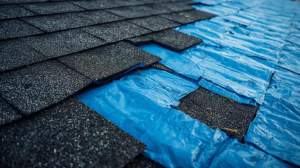
A few damaged shingles might only require a targeted repair. Large sections of curling or cracking often signal that the roof system is aging as a whole. In those situations, replacing the roof provides longer-lasting protection than repeated patchwork repairs.
Shingle Granules in Gutters or Around Downspouts
Asphalt shingles are coated with protective granules that shield the underlying material from ultraviolet rays and weather damage. When those granules begin to wear away, the shingle’s protective layer disappears.
Homeowners sometimes notice dark, sand-like debris collecting in gutters or near downspouts after heavy rain. That debris is often shingle granules washing off the roof surface.
Granule loss typically appears gradually. Early on, the roof may develop darker patches where granules have worn thin. Over time, the asphalt beneath becomes exposed, accelerating deterioration.
A roof with significant granule loss loses its ability to reflect heat and resist weather. The material begins breaking down faster, increasing the likelihood of leaks. At that stage, replacement often becomes the most dependable solution.
Water Stains or Interior Leaks
Interior water stains often provide the first clear signal that a roof has been compromised. Discoloration on ceilings or walls indicates that moisture has traveled beyond the roofing material and into the structure of the home.
Leaks rarely begin as dramatic drips from the ceiling. They usually start as small penetrations that allow moisture to slowly soak into insulation, wood framing, or drywall. Over time, those areas expand and become more noticeable.
Signs inside the home can include:
- Brown or yellow ceiling stains
- Peeling paint near the ceiling
- Musty odors in the attic
- Damp insulation
These issues may originate from damaged shingles, deteriorated flashing, or worn underlayment. Once moisture enters the structure, the risk of mold growth and wood rot increases.
Roof replacement is often recommended when leaks appear in multiple areas or when the roof material has reached an advanced stage of wear.
Sagging Roof Lines
A roof should maintain a straight, even appearance along its ridges and slopes. Sagging areas indicate structural problems beneath the surface.
Several factors can lead to sagging:
- Prolonged water damage weakening the decking
- Deteriorated roof supports
- Excess weight from trapped moisture
- Aging structural components
Sagging sections rarely remain stable. The underlying materials continue to weaken, increasing the risk of more serious structural damage.
When a sagging roofline is discovered, professional evaluation becomes essential. In many cases, replacing the roof system allows contractors to repair damaged decking and restore the roof’s structural integrity.
Storm Damage That Keeps Reappearing
Southwest Florida storms can be relentless. High winds, flying debris, and heavy rain place tremendous stress on roofing systems.
Many homeowners schedule roof repairs after major storms, which is often the right step when damage is limited. Problems arise when storm damage becomes a repeating pattern.
If shingles are regularly blowing off during storms or leaks appear after every heavy rainfall, the roof may no longer have the strength needed to withstand Florida’s weather conditions.
Older roofing materials tend to lose their wind resistance. Fasteners loosen, adhesives weaken, and seal strips stop bonding properly. Once that happens, even moderate storms can cause recurring problems.
A new roof built with modern materials and proper installation techniques offers stronger wind resistance and better long-term protection.
Rising Energy Bills
Roof condition can influence indoor comfort and energy efficiency. When roofing materials deteriorate, they often lose their ability to reflect sunlight and maintain proper ventilation.
In Florida’s warm climate, that loss can cause attic temperatures to rise significantly. Heat trapped in the attic forces air conditioning systems to work harder in order to maintain indoor comfort.
Signs of poor roof energy performance include:
- Higher cooling bills during summer months
- Uneven temperatures inside the home
- Excessive heat in the attic
Modern roofing systems often include reflective materials and improved ventilation designs that help reduce heat buildup. Replacing an aging roof can lead to noticeable improvements in energy efficiency and indoor comfort.
Mold, Algae, or Moss Growth
Dark streaks on a roof are commonly caused by algae growth, which thrives in humid environments. In Southwest Florida, high humidity levels make algae a frequent issue on older roofs.
Algae itself does not always cause immediate structural damage. The real concern appears when moisture remains trapped on the roof surface for extended periods.
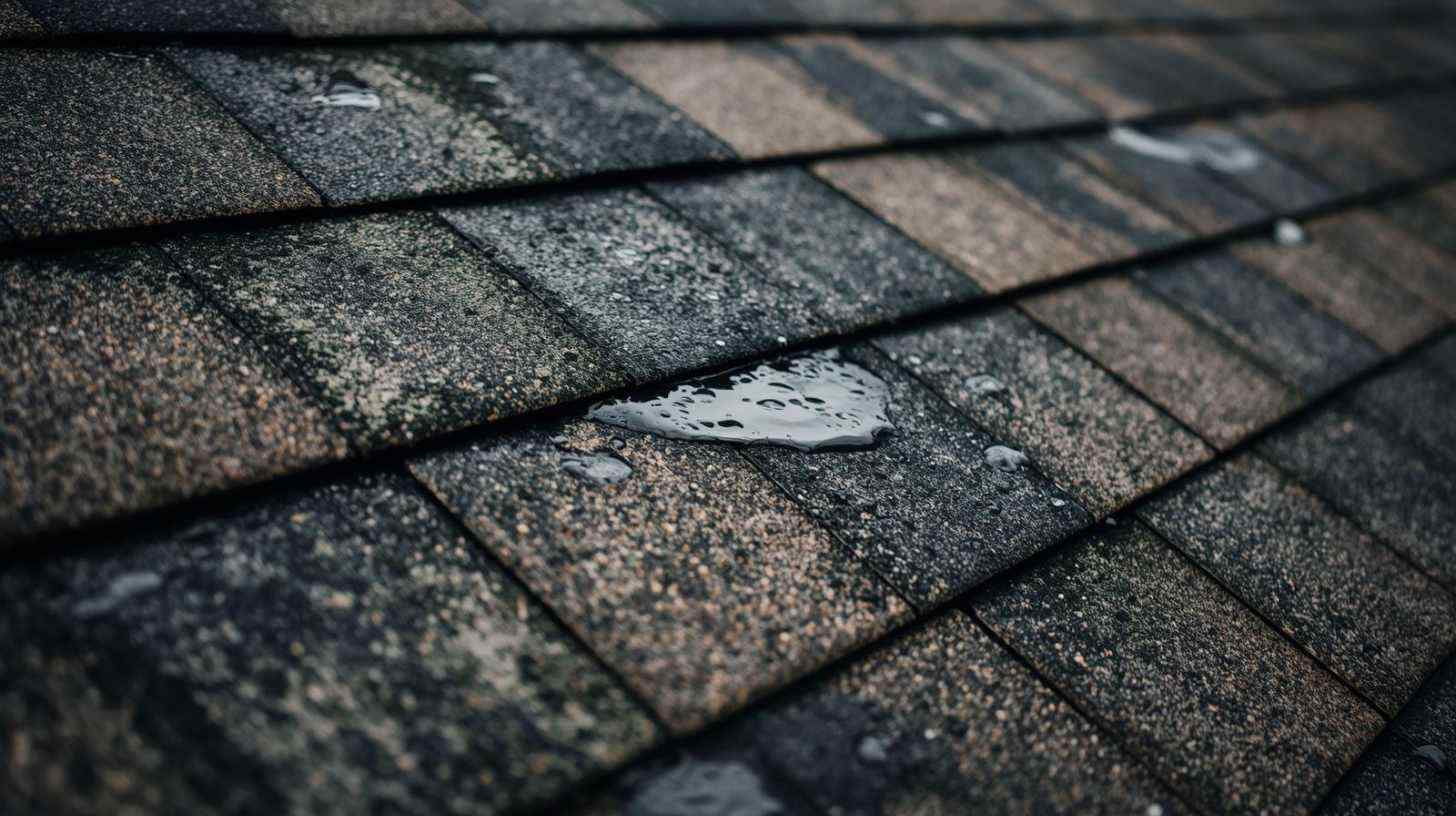
Moss growth can hold water against shingles, speeding up deterioration. Moisture trapped beneath roofing materials may also damage the decking below.
When growth spreads widely across the roof, it may indicate that the material has become porous or weakened with age. Replacement allows for new materials designed to resist algae growth and improve long-term durability
Frequent Roof Repairs
Roof repairs serve an important purpose when damage is isolated. Over time, repeated repairs can become costly and less effective.
A roof that requires constant patching may have deeper issues that repairs cannot fully resolve. Small leaks, damaged shingles, and flashing problems often appear in different areas as the roof continues aging.
At that stage, homeowners face an important decision: continue repairing sections as problems appear or replace the roof and restore full protection.
A new roof often proves more cost-effective over the long term. It removes hidden damage, installs fresh underlayment, and restores the roof’s full weather resistance.
When Professional Inspection Matters Most
Many roof problems develop quietly and remain hidden from ground level. Professional roof inspections provide a closer look at areas homeowners rarely see.
Experienced roofing contractors evaluate several key components during an inspection. They examine the condition of the shingles, check flashing around vents and chimneys, and assess the stability of the roof decking. The underlayment and attic ventilation are also reviewed to confirm the roof system is still performing as it should.
These evaluations help determine whether repairs will extend the roof’s life or if replacement is the safer choice.
At Allstate Construction Roofing, inspections often reveal issues homeowners never noticed. Addressing those concerns early helps prevent more serious damage and protects the home’s structure.
Protecting Your Home Starts With Knowing the Signs
Curling shingles, granule loss, leaks, sagging areas, and repeated storm damage all signal that a roof may be nearing the end of its useful life. Regular inspections provide peace of mind and help identify problems before they become emergencies.
For homeowners in Southwest Florida, staying proactive with roof maintenance and replacement planning ensures your home remains safe, comfortable, and ready for the next storm season.
Property owners who stay proactive with roof care typically enjoy longer roof performance and fewer surprises over the years. When the time eventually arrives for repairs or replacement, working with experienced roofing professionals ensures the next roof begins its lifespan on a strong foundation.