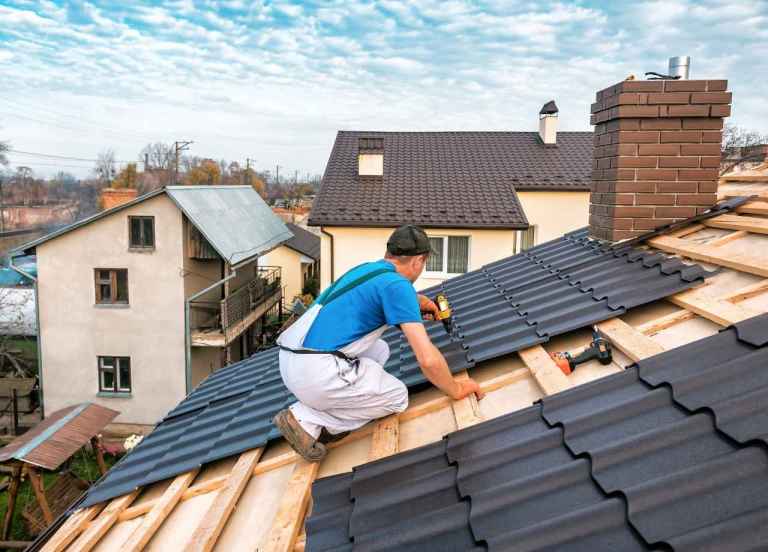
Roof leaks rarely start as major problems. In many homes and commercial buildings, they begin as small vulnerabilities that slowly worsen under sun, wind, and heavy rain. In Southwest Florida, the climate adds another layer of pressure on roofing systems. Intense sun, sudden storms, and seasonal hurricanes constantly test the strength of shingles, flashing, and underlayment.
At Allstate Construction Roofing, our team has worked with local property owners for more than three decades. One thing remains consistent across nearly every leak we repair. Most of them could have been avoided with routine roof inspections and timely maintenance. Our roof inspection and roof repair services often uncover small issues long before water ever enters the home.
Preventing leaks protects more than the roof itself. It protects insulation, drywall, flooring, and even electrical systems. A proactive approach saves property owners from costly structural repairs and interior damage. The following guidance reflects what experienced roofers look for when protecting a roof from water intrusion.
Understanding How Roof Leaks Start
Water does not need a large opening to enter a home. A gap as small as a nail hole or lifted shingle can allow moisture to work its way beneath roofing materials. Once water finds a path, gravity and wind can push it deeper into the structure.
Aging materials play a major role. Shingles dry out over time, sealants lose flexibility, and flashing may loosen around vents or chimneys. Florida’s strong sun accelerates this aging process, causing materials to crack or curl earlier than expected.
Storm damage also contributes to leaks. Wind can lift shingles just enough to break the seal that keeps water out. Debris from nearby trees may strike the roof surface, damaging shingles or tiles. In many cases the damage is subtle and difficult to spot from the ground.
Proper installation matters as well. Roofing systems rely on multiple layers working together. When flashing, underlayment, or fasteners are installed incorrectly, weak points develop. Water often enters through these areas during heavy rain.
Schedule Regular Roof Inspections
A consistent inspection schedule remains one of the most effective ways to prevent leaks. Many roofing issues stay hidden until moisture appears inside the home. Professional inspections help detect wear long before it becomes visible from indoors.
At Allstate Construction Roofing, we recommend inspections at least once a year and after major storms. A trained roofer knows where leaks typically begin and how to identify early warning signs.
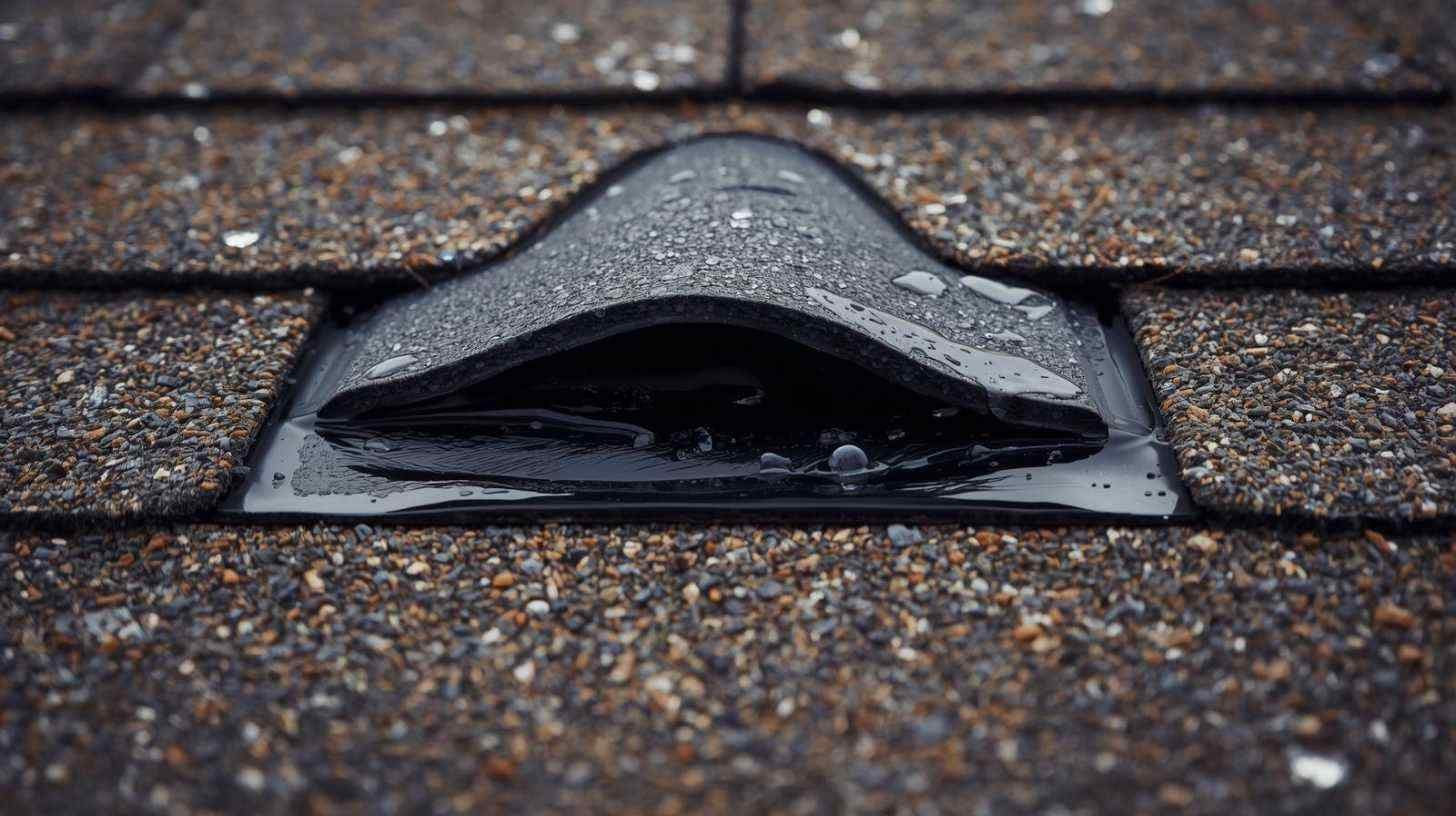
Inspectors check for loose shingles, cracked tiles, deteriorating flashing, exposed fasteners, and worn sealants. They also examine roof penetrations such as vents, skylights, and chimneys where leaks often begin. Small repairs performed during an inspection can extend the life of the entire roofing system.
Regular inspections also help property owners maintain documentation for insurance purposes. Many policies require proof of proper maintenance after severe weather events.
Keep Gutters and Drainage Systems Clear
Water must move quickly off the roof surface. When gutters clog with leaves, pine needles, or debris, water backs up and pools along the roof edge. Standing water increases the chance of moisture finding its way beneath shingles.
In Southwest Florida, heavy rainstorms can drop large amounts of water in a short time. Gutters and downspouts need to move that water away from the structure efficiently.
Clogged drainage systems also add extra weight along the roofline. Over time this can stress fascia boards and loosen gutter brackets. Water may begin to run behind the gutter instead of through it, soaking the roof edge and exterior walls.
Cleaning gutters a few times each year helps avoid these problems. Homes surrounded by trees may require more frequent attention. Installing gutter guards can reduce buildup and make maintenance easier.
Watch for Damaged or Missing Shingles
Shingles serve as the outer shield of a roofing system. When even one shingle becomes loose or damaged, water gains a path toward the underlayment.
Strong winds often lift shingle corners. Once the seal breaks, rain can travel underneath during storms. Over time the shingle may tear away entirely.
Cracking, curling, or granule loss signals aging materials. These changes weaken the shingle’s ability to repel water and protect the layers beneath.
Homeowners who notice irregular patterns, exposed nail heads, or bare spots on the roof surface should arrange a professional inspection quickly. Replacing a few shingles early prevents larger repairs later.
Maintain Roof Flashing Around Penetrations
Flashing plays a critical role in leak prevention. Thin pieces of metal seal the areas where the roof meets vertical surfaces or penetrations. Chimneys, skylights, vents, and wall intersections all rely on properly installed flashing.
Water naturally flows toward these joints during rainfall. Flashing directs water away from openings and back onto the roof surface.
Over time flashing can loosen or corrode. Sealants around flashing edges may crack as they age. Even a small gap along these areas can allow water to enter the roof structure.
Professional roofers carefully inspect flashing during maintenance visits. Re-sealing or replacing flashing components keeps these vulnerable areas secure.
Trim Nearby Trees
Tree branches hanging over a roof create several risks. During storms, branches may scrape against shingles or break and fall onto the roof surface. Repeated contact can loosen shingles or crack tiles.
Leaves and twigs also accumulate in roof valleys and gutters. This buildup traps moisture and slows drainage, increasing the chance of leaks.
Maintaining a safe distance between trees and the roof helps reduce these hazards. Property owners benefit from improved airflow across the roof surface as well, which helps roofing materials dry more quickly after rainfall.
Tree trimming remains a simple yet effective step in roof maintenance.
Check Attic Ventilation and Insulation
Roof leaks sometimes appear to originate from outside but actually result from attic conditions. Poor ventilation allows heat and moisture to accumulate beneath the roof deck.
Excess moisture can cause wood decking to warp or weaken. Over time this creates pathways where water may penetrate the roofing system.
Proper ventilation allows warm air and humidity to escape from the attic. Balanced airflow between intake vents and exhaust vents helps maintain stable temperatures.
Insulation also contributes to roof health. Adequate insulation prevents uneven heating that may damage roofing materials from below.
Roofing professionals often inspect attic conditions when evaluating potential leaks. Addressing ventilation issues helps preserve both the roof structure and interior comfort.
Address Small Repairs Quickly
Minor roofing damage tends to grow rapidly under Florida weather conditions. A loose shingle today may lead to water intrusion during the next storm.
Prompt repairs protect surrounding materials from further damage. Moisture that reaches the roof deck can spread across larger areas, increasing repair costs.
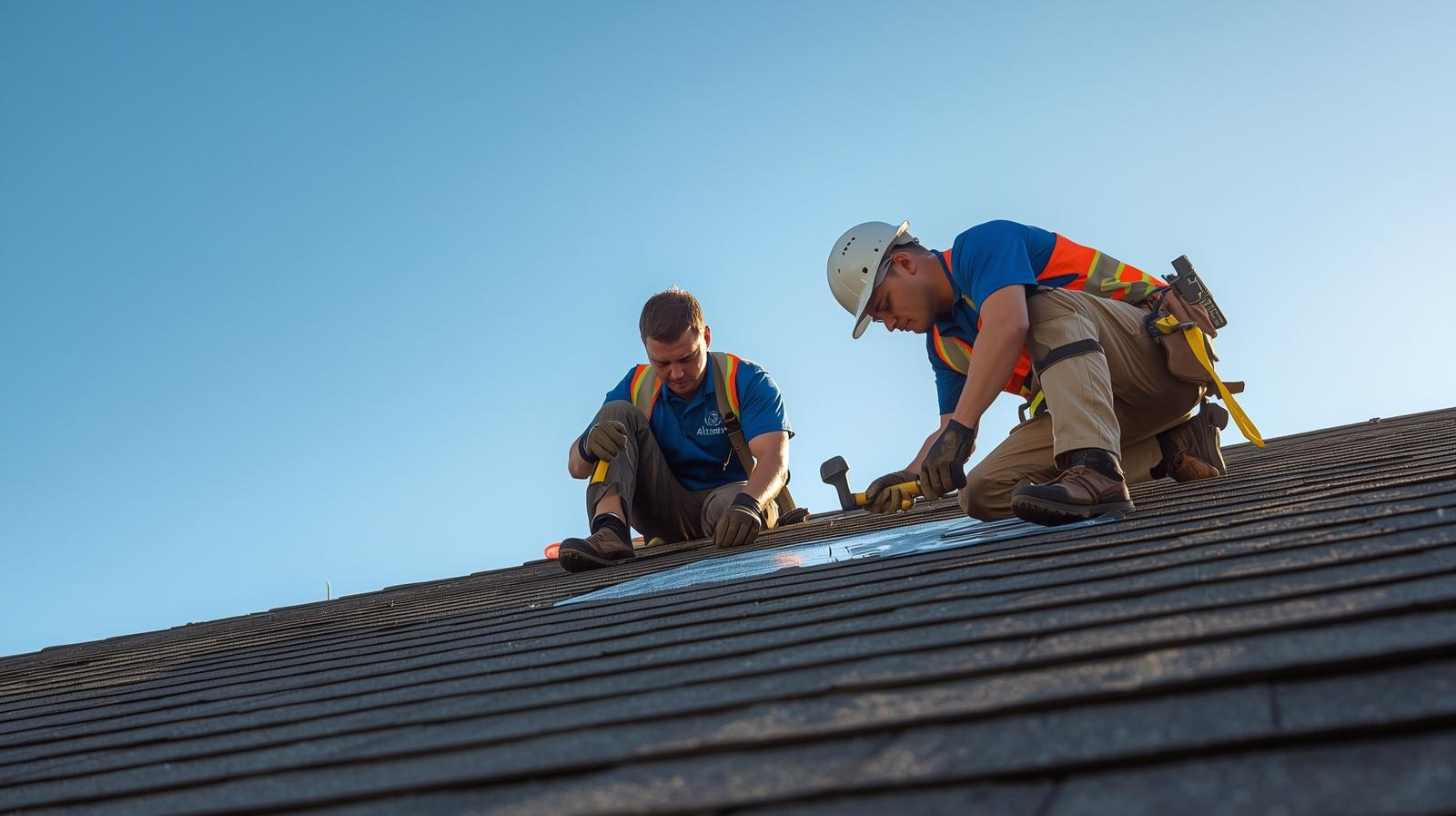
Property owners sometimes delay repairs when the issue appears minor. Small openings often allow slow water entry that remains hidden for weeks or months. By the time stains appear on ceilings, structural components may already be affected.
Professional roof repair services focus on stopping water entry at the earliest stage. Quick action helps maintain the integrity of the entire roofing system.
Recognize Early Warning Signs of Leaks
Interior clues often appear before major damage develops. Property owners who recognize these warning signs can take action quickly.
Water stains on ceilings or walls often signal moisture entering the roof system. Musty odors in the attic or upper floors may indicate trapped moisture. Peeling paint, bubbling drywall, or damp insulation also suggest potential leaks.
Outside the home, look for dark streaks on roofing materials, damaged flashing, or debris buildup in roof valleys. Any unusual changes on the roof surface deserve professional evaluation.
Routine observation combined with scheduled inspections provides strong protection against leaks.
Long-Term Protection Comes from Consistent Maintenance
A well-maintained roof performs reliably for decades. Preventing leaks does not require complicated steps, yet it does require attention and consistency.
Professional inspections, regular cleaning, timely repairs, and proper ventilation all contribute to a strong roofing system. Each step protects the layers beneath the roof surface and helps water flow safely away from the structure.
At Allstate Construction Roofing, we have seen how proactive care extends the lifespan of roofing materials across Southwest Florida homes and businesses. Property owners who prioritize maintenance rarely face sudden leak emergencies.
A roof protects everything beneath it. Giving that structure the attention it deserves keeps homes dry, safe, and comfortable through every season of Florida weather.