A roof is one of the most important parts of any home or commercial building. It protects everything underneath it, from the structure itself to the people living or working inside. Shingle roofing remains one of the most common choices across the United States thanks to its durability, affordability, and clean appearance. Many property owners eventually ask the same question: how long does a shingle roof actually last?
The answer depends on several factors including the type of shingles used, installation quality, climate conditions, and maintenance habits. A properly installed shingle roof can last decades, but its lifespan is rarely determined by the material alone. The way a roof is installed and maintained plays a major part in how long it continues to perform well. At Allstate Construction Roofing, we regularly provide roof inspections and roof replacement services for homeowners whose roofs are approaching the later years of their lifespan, helping them understand exactly where their roof stands.
Understanding the expected lifespan of a shingle roof helps homeowners make smarter decisions about maintenance, repairs, and long-term planning. A roof rarely fails overnight. There are signs and stages that occur along the way, and recognizing them early can help prevent costly damage.
The Typical Lifespan of a Shingle Roof
Most asphalt shingle roofs last between 20 and 30 years under normal conditions. This estimate assumes the roof was installed correctly and receives basic upkeep over time. Asphalt shingles dominate the residential roofing market, and within this category there are several different types with varying life expectancies.
Three-tab shingles, which are the most basic and economical option, generally last around 20 years. Architectural shingles, sometimes called dimensional shingles, are thicker and more durable. These commonly last between 25 and 30 years and can sometimes exceed that range with proper care. Premium shingles designed to replicate slate or wood shake can extend the lifespan further, sometimes reaching 30 to 40 years.
Even though manufacturers advertise long warranties, real-world conditions often determine the actual lifespan. Sun exposure, wind, humidity, and storm activity all affect how long shingles hold up. In regions like Southwest Florida, roofs deal with intense sun, heavy rain, and hurricane season, which can accelerate wear compared to cooler or drier climates.
Factors That Influence How Long Shingle Roofs Last
The material itself sets the general range, but several outside influences affect how long a roof remains reliable. Understanding these factors gives homeowners a clearer picture of why two roofs installed in the same year may age very differently.
Installation Quality
Proper installation has a major impact on roof longevity. Shingles must be placed with correct spacing, nailed securely, and supported by proper underlayment and ventilation. If installation shortcuts occur, problems may develop years earlier than expected.
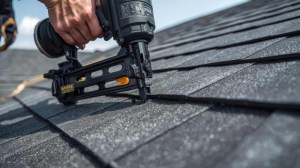
Improper nailing patterns can cause shingles to loosen in strong winds. Poor ventilation can trap heat and moisture in the attic, leading to premature aging of the shingles above. Flashing installed incorrectly around vents, chimneys, and valleys can allow water intrusion long before the shingles themselves fail.
Experienced roofing contractors focus on the full roofing system rather than just the visible shingles. Underlayment, flashing, ventilation, and decking condition all play a role in the roof’s lifespan.
Climate and Weather Exposure
Weather conditions strongly influence roofing durability. Areas with consistent mild weather tend to see longer roof lifespans compared to regions with extreme heat, heavy storms, or strong winds.
Florida roofs face unique challenges. Constant UV exposure breaks down asphalt over time. High humidity levels can affect attic ventilation and moisture control. Seasonal storms and hurricanes bring strong wind gusts that may loosen shingles or damage roof components.
Even when damage is not immediately visible, repeated exposure to severe weather can gradually weaken shingles and shorten their service life.
Roof Ventilation
Ventilation is often overlooked by homeowners, yet it plays an important role in roof performance. A properly ventilated attic allows heat and moisture to escape, helping regulate the temperature of the roofing materials.
Without adequate ventilation, heat builds up beneath the roof deck. Excessive heat accelerates shingle deterioration and may cause them to curl, crack, or lose granules earlier than expected. Moisture trapped in the attic can also damage wood decking and insulation.
Roofing professionals evaluate intake and exhaust ventilation during inspections to confirm the system supports long-term roof health.
Maintenance and Inspections
Regular maintenance can extend the life of a shingle roof. Small issues addressed early often prevent larger structural problems later.
Periodic inspections help identify missing shingles, flashing issues, clogged valleys, or early signs of deterioration. Many homeowners schedule inspections after major storms or every few years as a preventive measure.
Debris buildup from leaves and branches can trap moisture on the roof surface. Keeping the roof clear and ensuring gutters function properly helps protect the shingles and the underlying structure.
Signs a Shingle Roof Is Nearing the End of Its Lifespan
Roofs rarely fail without warning. Aging shingles usually display visible signs that signal the roof is approaching replacement time. Recognizing these indicators early allows homeowners to prepare rather than reacting to sudden leaks.
Granule loss is often one of the first signs. Asphalt shingles are coated with protective granules that shield them from UV rays. Over time these granules begin to wear away. If gutters contain large amounts of granules or shingles appear bald in spots, aging may be progressing.
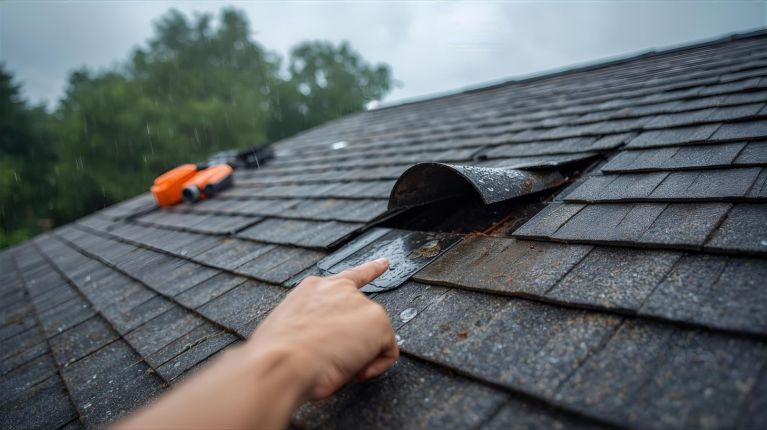
Curling or buckling shingles also signal deterioration. Shingles that begin lifting at the edges or forming waves across the surface may be losing flexibility. This condition makes them more vulnerable to wind damage.
Cracks in shingles are another warning sign. Exposure to years of sunlight and temperature changes can cause asphalt to dry out and fracture. When cracks appear across multiple areas of the roof, replacement may be approaching.
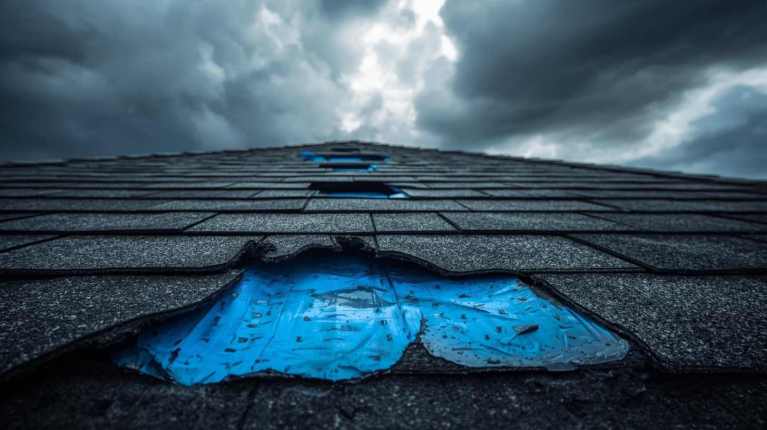
Water stains on ceilings or attic insulation may indicate roofing materials have already begun to fail. A professional roof inspection can determine the exact cause and evaluate the condition of the entire roofing system.
The Role of Roof Inspections in Extending Lifespan
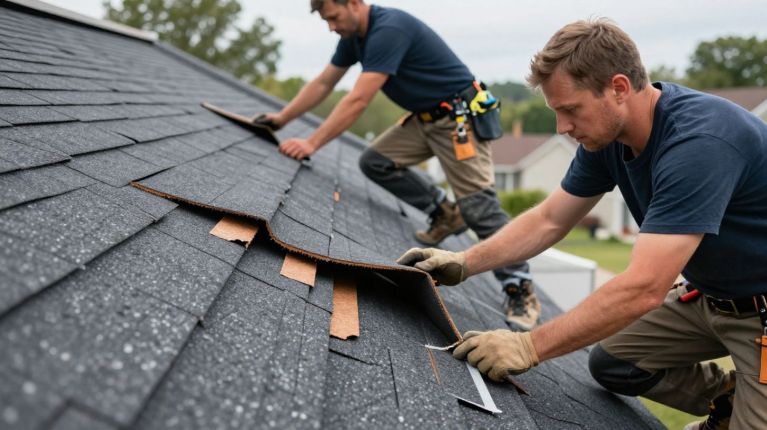
Routine roof inspections help property owners stay ahead of potential problems. During an inspection, roofing professionals examine shingles, flashing, underlayment areas, ventilation systems, and the overall structural condition.
Minor repairs made early can extend the life of a roof by several years. Replacing a few damaged shingles or sealing vulnerable flashing areas may prevent water intrusion that could otherwise lead to widespread damage.
Inspections also help homeowners understand how much life remains in their roof. Many people assume a roof needs replacement simply because it reaches a certain age, yet the actual condition may still allow several more years of service.
At Allstate Construction Roofing, inspections allow our team to give honest guidance based on what we see on the roof itself. Some roofs only need minor repairs, while others show signs that replacement planning should begin soon.
When Roof Replacement Becomes the Smart Choice
Every roof eventually reaches a point where replacement makes more sense than repeated repairs. When large sections of shingles are damaged or multiple leaks appear, the cost of ongoing repairs can quickly add up.
A new shingle roof restores protection for the entire property. Modern shingles also provide improved durability and wind resistance compared to products from decades ago. Updated underlayment and ventilation systems can improve overall roof performance as well.
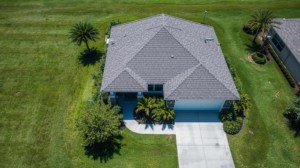
Homeowners often replace aging roofs during property renovations or before listing their homes for sale. A new roof adds confidence for potential buyers and helps prevent inspection issues during real estate transactions.
Roof replacement also allows property owners to choose upgraded materials, colors, and styles that enhance curb appeal while maintaining reliable protection.
How Homeowners Can Help Their Roof Last Longer
Homeowners can take several simple steps that contribute to a longer roof lifespan. Keeping gutters clean helps prevent water from backing up under shingles. Trimming nearby tree branches reduces the chance of debris accumulation and storm damage.
Checking the attic periodically can reveal early warning signs. If sunlight becomes visible through the roof boards or insulation shows water staining, professional evaluation should happen quickly.
Scheduling periodic roof inspections provides peace of mind and allows roofing professionals to monitor aging over time. Even roofs that appear healthy from the ground may have hidden issues visible only during a closer inspection.
Regular care combined with quality installation gives a shingle roof the best chance to reach its full lifespan.
Final Thoughts
A shingle roof generally lasts between 20 and 30 years, though some last longer depending on materials, installation quality, climate exposure, and maintenance. Understanding the factors that affect roof lifespan allows homeowners to plan ahead and avoid unexpected problems.
Roofs serve as the first line of defense against weather and environmental exposure. When properly installed and maintained, asphalt shingles provide dependable protection for decades. Monitoring the roof’s condition through inspections and maintenance ensures small issues do not turn into major structural damage.
Property owners who stay proactive with roof care typically enjoy longer roof performance and fewer surprises over the years. When the time eventually arrives for repairs or replacement, working with experienced roofing professionals ensures the next roof begins its lifespan on a strong foundation.