Metal roofing has become a trusted option for Florida homeowners and commercial property owners who want long-term performance, clean lines, and dependable storm protection. At Allstate Construction Roofing, we work with metal systems every week across Southwest Florida, and one thing we see often is confusion around how metal roofing is figured. Unlike shingles, metal roofing demands careful measurement, planning, and material coordination. Getting the math wrong can lead to delays, wasted material, or costly adjustments mid-project.
Figuring metal roofing is not guesswork. It is a process rooted in roof geometry, panel selection, trim requirements, and jobsite conditions. As a roofing contractor with more than three decades of hands-on experience, we approach metal roof takeoffs with precision because every inch matters. This same process is used when we prepare estimates for our metal roofing installation services, ensuring homeowners receive accurate timelines and material planning from day one.
This guide walks through how metal roofing is figured from a contractor’s perspective. It explains how professionals measure roofs, account for panel types, calculate waste, and plan for Florida-specific challenges like wind exposure and water management.
Understanding Roof Geometry Before Any Measurements Begin
Every accurate metal roofing calculation begins with understanding the roof’s shape. Roof geometry determines how panels run, where seams land, and how much trim is required. A simple gable roof is far easier to figure than a complex hip roof with valleys, dormers, and transitions. That complexity directly affects labor time and material quantities.
Professional roofers never rely solely on aerial measurements. While satellite tools provide a starting point, they cannot replace on-site verification. Pitch changes, framing inconsistencies, and structural additions often alter real-world measurements. In Florida, older homes frequently have roof modifications that never made it into original drawings, which is why field measurements remain essential.
Slope also plays a major role. Metal roofing is measured on the slope, not the footprint of the home. A roof with a steep pitch has significantly more surface area than it appears from the ground. Ignoring pitch adjustments is one of the most common mistakes made when metal roofing is figured incorrectly.
Measuring the Roof Surface Area the Right Way
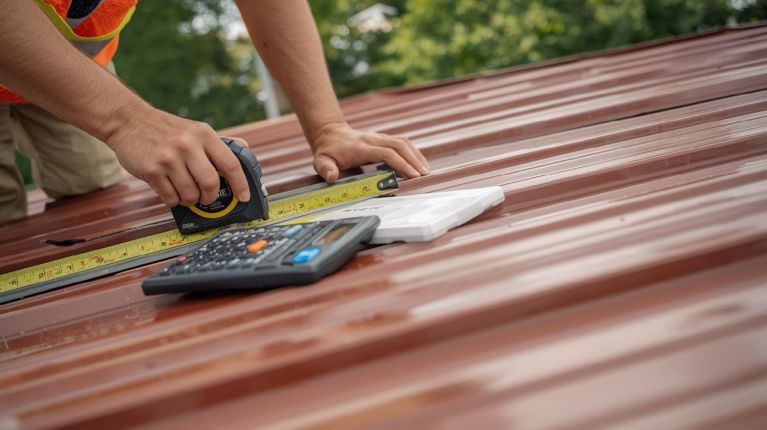
Metal roofing calculations start with square footage, but the method differs from shingles. Each roof plane is measured individually, length by width, and then adjusted for pitch. Contractors use pitch multipliers to convert flat measurements into true surface area.
For example, a roof with a 6:12 pitch has about 12 percent more surface area than a flat measurement suggests. A 9:12 pitch increases that difference even further. These adjustments ensure panels are ordered long enough to run from ridge to eave without coming up short.
Measurements must also account for overhangs. Metal panels typically extend past the fascia to allow proper water runoff into the gutter system. Skipping this detail leads to drainage issues and exposed edges. Professional takeoffs include these extensions as part of the panel length, not as an afterthought.
Choosing Panel Type and How It Affects Calculations
Metal roofing is not a single product. The panel profile chosen changes how the roof is figured. Standing seam panels, exposed fastener panels, and specialty profiles all have different coverage widths and installation methods.
Standing seam systems are measured by true coverage width, not total panel width. The seams overlap or lock together, reducing the exposed coverage. When figuring material quantities, contractors calculate how many full panels are needed to cover each roof plane without forcing narrow filler panels at edges.
Panel length also matters. Many standing seam systems are ordered in continuous lengths that run from ridge to eave. That reduces horizontal seams and improves water resistance, which is especially important in Florida’s heavy rain conditions. Accurate length measurement prevents wasted panels that cannot be reused.
Exposed fastener panels work differently. They have wider coverage but require more fasteners and careful layout to keep screw lines straight. Their calculations focus more on screw quantity, underlayment coverage, and trim alignment.
Accounting for Waste and Panel Layout
Waste is inevitable in metal roofing, but it should be controlled. A well-planned layout reduces scrap and keeps costs predictable. Waste percentages vary based on roof complexity and panel orientation.
Simple gable roofs may only require five percent waste. Complex roofs with hips, valleys, and multiple penetrations can push waste closer to ten percent or more. Panels cut at angles cannot always be reused elsewhere, especially with standing seam systems where seam alignment matters.
Contractors also plan panel layout to maintain visual balance. Uneven panel widths at roof edges stand out immediately once installed. Figuring metal roofing includes planning panel placement so cuts are distributed evenly, protecting both appearance and performance.
Trim, Flashing, and Accessories Are Not Optional Extras
One of the biggest mistakes in metal roofing calculations is focusing only on panels. Trim and flashing components are just as critical and must be figured carefully.
Ridge caps, hip caps, valley metal, eave trim, rake trim, and wall flashing all require linear measurements. Each piece overlaps the next, which reduces actual coverage length. Contractors account for this overlap so they do not come up short during installation.
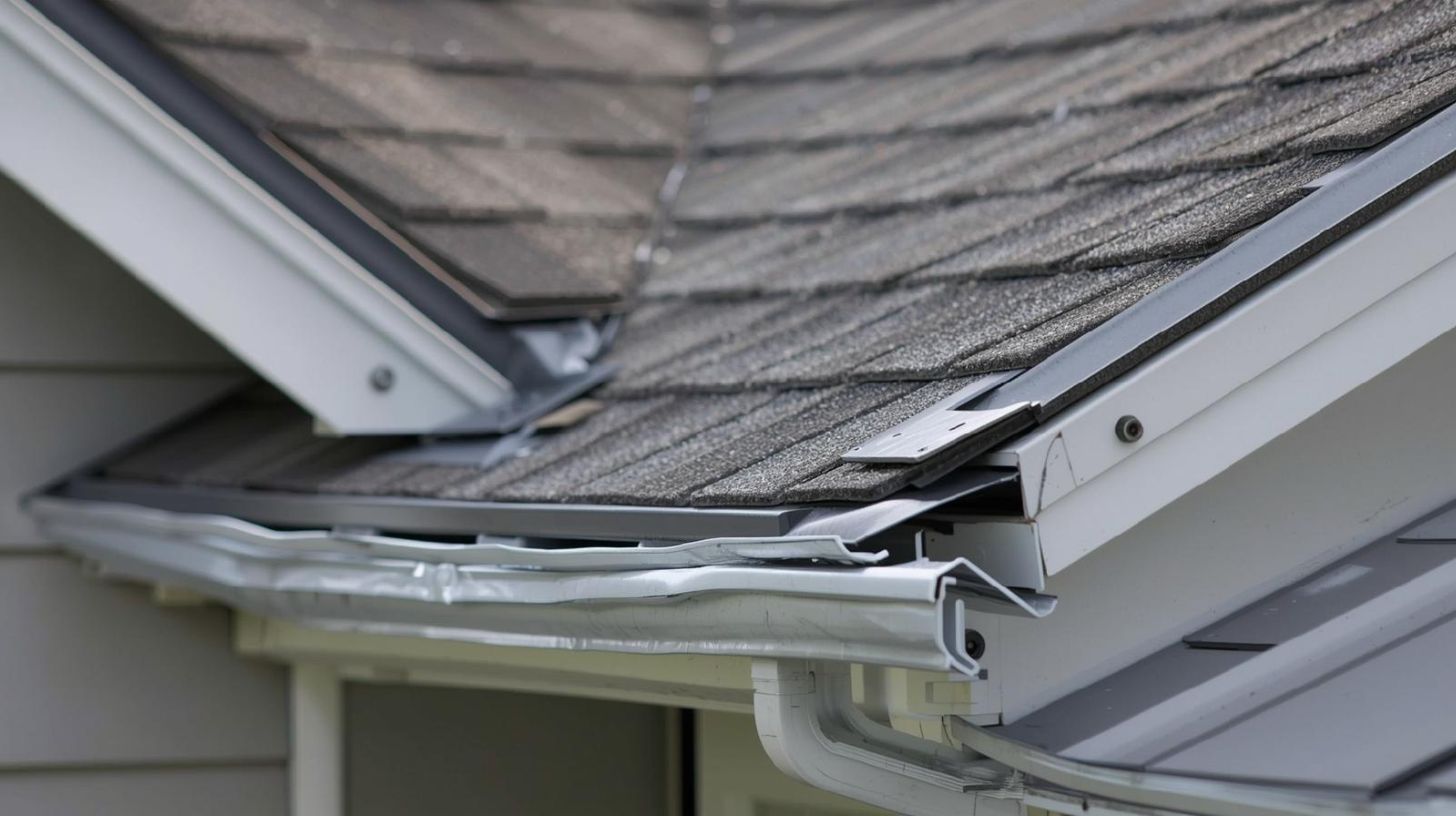
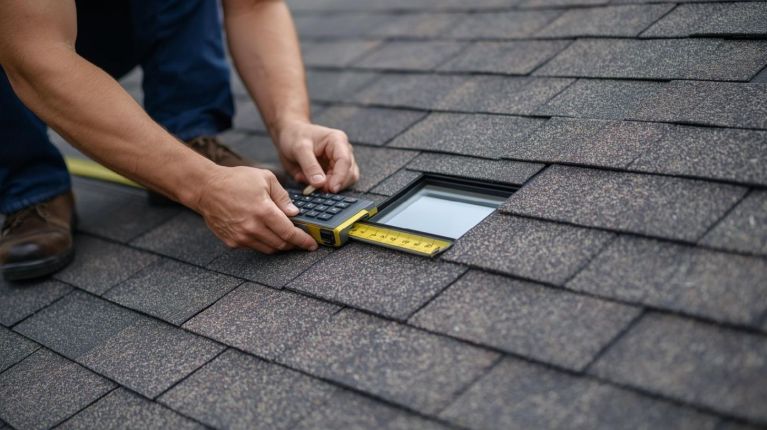
Florida homes often require additional flashing around chimneys, skylights, and roof-to-wall transitions. These areas demand custom-bent metal to manage water properly. Figuring metal roofing includes planning these pieces ahead of time, not improvising them on the roof.
Fasteners, clips, sealants, and underlayment are also part of the calculation. Standing seam systems use concealed clips spaced according to wind uplift requirements. Those spacing requirements are stricter in coastal and high-wind zones, which affects material counts and labor planning.
Wind Ratings and Florida Building Code Considerations
Metal roofing in Florida must meet strict wind uplift standards. These standards influence how the roof is figured because panel attachment methods and clip spacing change based on location and exposure category.
A roof near the coast may require tighter clip spacing and heavier-gauge metal than a similar roof inland. Those requirements increase material quantities and labor time. Ignoring them during the planning stage leads to failed inspections or expensive rework.
Permitting also plays a role. Engineering approvals, product approvals, and installation patterns must align. Professional contractors figure metal roofing with these requirements in mind, ensuring the system meets code before installation begins.
Labor Planning Is Part of Figuring the Roof
Figuring metal roofing is not limited to materials. Labor planning is tied directly to roof complexity, panel type, and access conditions. A simple roof with long, straight panel runs installs far faster than a cut-up roof with multiple transitions.
Panel handling matters as well. Long panels require space for staging and lifting. Limited access may require shorter panels with horizontal seams, which changes calculations and installation time.
Weather planning is also a factor in Florida. Afternoon storms influence scheduling, which is why experienced contractors plan installation sequences that protect the home at every stage.
Why Professional Takeoffs Matter
Metal roofing rewards precision and punishes shortcuts. Accurate figuring protects homeowners from budget surprises and ensures the finished roof performs as intended for decades.
At Allstate Construction Roofing, our metal roof calculations are built on field measurements, manufacturer guidelines, and local code knowledge. That process allows us to deliver clean installations that stand up to Florida’s climate without unnecessary waste or delays.
Homeowners considering metal roofing benefit from working with contractors who understand how every component fits together before the first panel arrives on site. A properly figured metal roof is not just a collection of panels. It is a complete system designed for durability, water control, and long-term value.
Understanding how metal roofing is figured helps property owners ask better questions and recognize the difference between rough estimates and professional planning. When done right, the result is a roof that performs exactly as expected, season after season.