Gutters do a simple job that carries a lot of responsibility. They collect rainwater from the roof and direct it away from the fascia, siding, foundation, landscaping, and other vulnerable areas of a property. When gutters stop working properly, homeowners may notice overflowing water, staining, sagging sections, or puddles forming around the house. The difficult part is deciding if the system only needs a good cleaning or has reached the point where replacement makes more sense.
For Southwest Florida homeowners, that decision deserves extra attention. Heavy rain, tropical weather, windblown debris, salt air near the coast, and intense sun can put gutter systems through demanding conditions. At Allstate Construction Roofing, we often consider drainage and roof-edge conditions as part of the bigger picture when evaluating roofing needs. A gutter problem can sometimes be maintenance-related, but it can also point to deterioration that cleaning cannot correct.
Knowing the difference can save money and help prevent avoidable water damage. A closer look at gutter condition, drainage performance, attachment points, and recurring trouble spots can usually reveal the right course of action.
When Gutter Cleaning Is Probably Enough
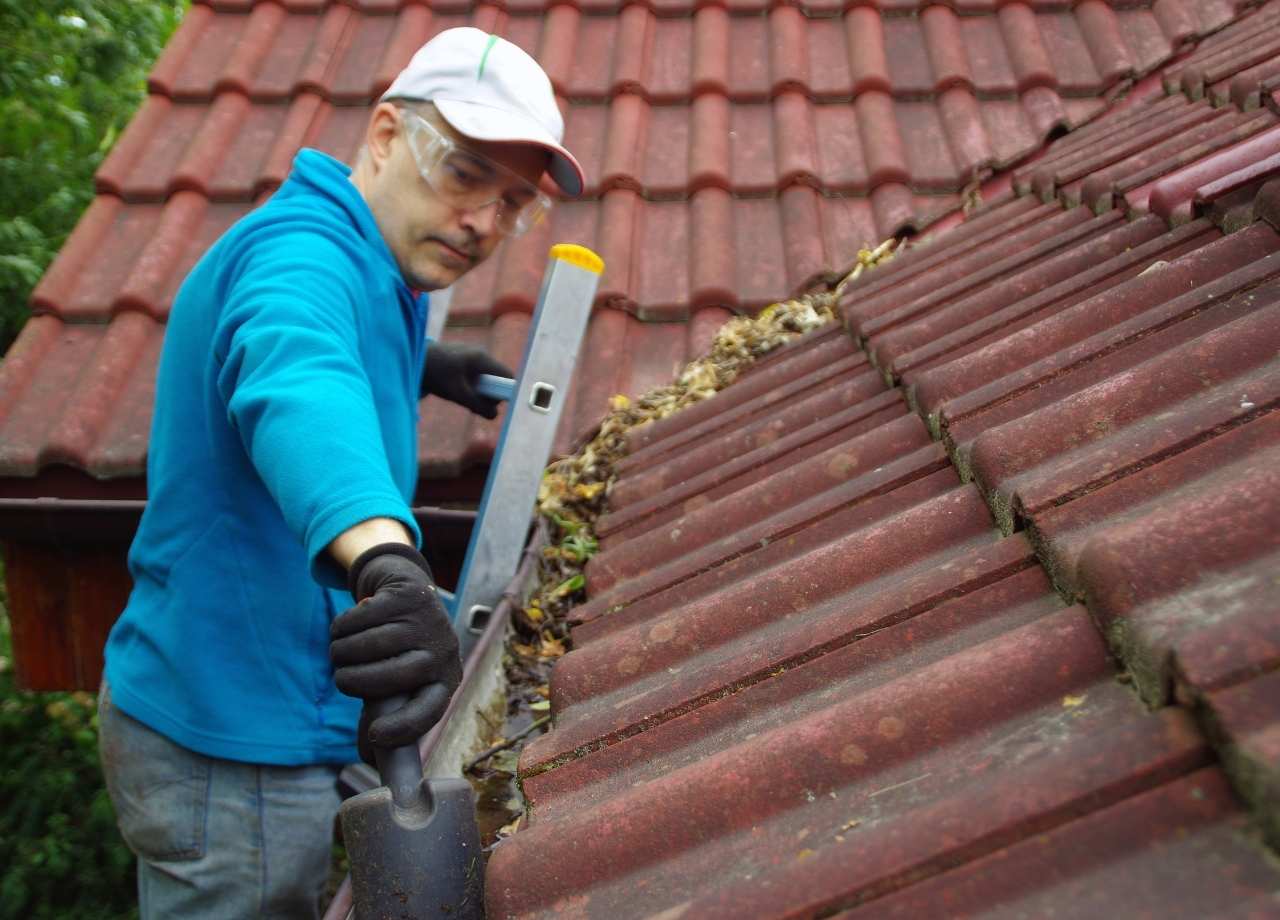
A clogged gutter does not automatically need to be replaced. Leaves, pine needles, seed pods, roof granules, twigs, and other debris can collect inside the channel and prevent water from reaching the downspouts. During a Florida downpour, that blockage may cause water to spill over the edge even when the gutter itself remains structurally sound.
Cleaning is usually the appropriate solution when the gutters are firmly attached, properly aligned, and free from major cracks or corrosion. Once debris is removed and the downspouts are cleared, water should move through the system without pooling or overflowing. Minor buildup around downspout openings can create surprisingly significant drainage problems, so a thorough cleaning should address the entire water path rather than the visible gutter channel alone.
Homeowners should also check the system during or shortly after rainfall. Water sitting in one section may indicate debris that was missed or a slight pitch problem. If the gutters return to normal operation after cleaning and remain stable, replacement may offer little practical benefit.
Signs Your Gutters Need More Than Cleaning
Cleaning removes material that blocks water flow. It cannot restore metal that has rusted through, repair extensive cracks, straighten severely bent sections, or permanently correct failing connections. When physical deterioration is present, repeatedly cleaning an aging system may only postpone an unavoidable replacement.
Sagging is one of the easiest warning signs to spot. Gutters need a controlled slope toward the downspouts, but they should not visibly dip between attachment points. Sagging sections can hold standing water, which adds weight and places additional stress on hangers and fascia. A gutter that repeatedly pulls away from the roofline after being secured may have deteriorated components or damage behind the attachment area.
Leaks at several seams are another concern. A single leaking joint may be repairable, especially on an otherwise healthy system. Numerous leaking seams, holes, cracks, or corroded areas suggest the gutter has lost much of its useful service life. At that stage, replacement can provide a more dependable solution than continuing to patch individual failures.
Look at What Happens Around the House
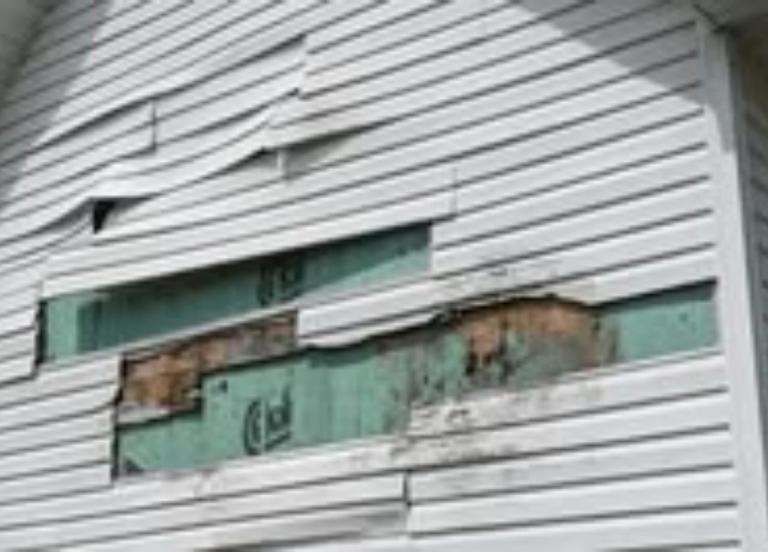
The gutter itself tells only part of the story. Homeowners should also pay attention to where the water goes after leaving the roof. Overflow marks on siding, washed-out mulch, soil erosion, water collecting near exterior walls, and staining below the gutter line can indicate poor drainage performance.
Water repeatedly running behind the gutter deserves prompt attention. This can expose fascia and other roof-edge materials to moisture, increasing the chance of deterioration. The cause may be a blockage, loose gutter, installation problem, damaged drip edge, or another roof-related condition. Simply removing leaves will not correct every one of these issues.
Downspouts matter just as much. They should move water away from the building rather than dumping concentrated runoff beside the foundation. A gutter system can be clean and still perform poorly if downspouts are damaged, disconnected, undersized for the drainage area, or positioned incorrectly.
Florida Weather Makes Gutter Condition Especially Important
Southwest Florida rain can expose drainage problems quickly. A system that seems adequate during light showers may overflow when a strong afternoon storm sends a large volume of water off the roof in a short period. Tropical systems can add windblown leaves, branches, palm debris, and roofing particles to the gutters at the same time.
Coastal conditions can also be hard on metal components. Salt carried through the air can contribute to corrosion, especially where protective finishes have worn away or metal surfaces have been damaged. Fasteners, seams, hangers, and corners deserve close inspection along with the main gutter channels.
Storm season is a useful reminder to check drainage before severe weather arrives. Gutters packed with debris have less capacity when heavy rain begins. Older systems with loose connections may also be more vulnerable during high winds. Routine inspection gives homeowners time to address manageable problems before a major rain event exposes them.
Cleaning Makes Sense When the Structure Is Still Sound
The strongest reason to clean rather than replace is simple: the existing system still works once the obstruction is removed. Gutters that remain securely attached, have no significant corrosion, maintain proper slope, and drain freely can often continue performing well with routine maintenance.
Cleaning also creates an opportunity to inspect areas that are difficult to evaluate from the ground. Corners, seams, downspout openings, hangers, and sections hidden by trees may reveal early problems. Catching a loose fastener or small leak early can help prevent a minor repair from becoming a larger project.
The frequency of cleaning depends heavily on the property. Homes surrounded by mature trees may need attention more often than properties with open rooflines. After major storms, a visual inspection is smart because wind can deposit debris even in gutters that were recently cleaned.
Replacement Becomes Smarter When Problems Keep Returning
Repeated repairs can become a warning sign of their own. If gutters are cleaned regularly but still overflow, separate from the house, leak in several locations, or hold standing water, the underlying system may no longer be dependable. Spending money on repeated service calls can become less practical than installing a properly sized and secured replacement.
Age should be considered alongside condition rather than used as the only deciding factor. A well-maintained system may remain serviceable for years, and a poorly installed or damaged newer system can fail much sooner. Material, installation quality, storm exposure, corrosion, maintenance history, and surrounding trees all affect service life.
Replacement also provides an opportunity to correct existing design problems. A new system can address poor pitch, inadequate downspout placement, damaged sections, or capacity concerns that have contributed to chronic overflow. The goal should be reliable water management, not simply installing new material where the old material used to be.
Do Not Ignore the Fascia and Roof Edge
Gutters attach close to parts of the home that are essential to the roofing system. If a gutter has been leaking behind itself or pulling away for an extended period, the fascia may need inspection before new gutters are installed. Attaching a replacement system to deteriorated wood does not solve the underlying problem.

Staining, softness, peeling paint, visible rot, or loose attachment points can indicate moisture damage around the roof edge. These conditions deserve professional evaluation, especially when gutter trouble appears alongside roof leaks or damaged roofing materials. Addressing the source of the moisture helps protect the repair and the new gutter installation.
This connection is one reason gutter maintenance should not be treated as an isolated chore. Roof drainage works as a system. Rainwater needs to move from the roof surface into the gutter, through the downspouts, and safely away from the structure.
Making the Right Decision for Your Gutters
Start with condition rather than appearance alone. Dirty gutters can look terrible and still be perfectly serviceable after cleaning. A freshly cleaned gutter can also hide failing seams, loose hangers, corrosion, or poor alignment that will cause trouble during the next heavy storm.
Cleaning is generally the better choice when debris is the main problem and the system remains structurally sound. Replacement becomes the stronger option when damage is widespread, leaks keep returning, sections are badly sagging, corrosion has weakened the material, or drainage problems continue after maintenance.
For Florida property owners, regular inspection is one of the easiest ways to avoid guessing. Check gutters before storm season, after severe weather, and whenever you notice unusual runoff around the home. A functioning gutter system quietly protects the roof edge and surrounding property every time it rains. Giving it attention before problems become severe can prevent a relatively small drainage issue from turning into a much larger home repair.