Metal roofing is a strong choice for homes and commercial properties across coastal Florida. It handles intense sun, heavy rain, high winds, and long periods of heat better than many roofing materials. Yet living near the Gulf also exposes metal roofing systems to salt, moisture, and airborne contaminants that can accelerate corrosion when the roof is poorly designed, damaged, or neglected.
At Allstate Construction Roofing, we have seen how coastal conditions can affect metal roofs throughout Southwest Florida. Our metal roofing services include installation, inspection, repair, and maintenance with close attention to the conditions found in our region. A well-built metal roof can provide decades of service, but its lifespan depends heavily on material selection, installation quality, protective coatings, and ongoing care.
Corrosion does not always begin as a large rusted section that is easy to spot from the ground. Early damage can develop around fasteners, cut edges, scratches, seams, flashing, roof penetrations, and areas where moisture remains trapped. Understanding why corrosion develops makes it easier for property owners to protect their roofs before minor surface deterioration turns into a larger roofing problem.
Why Coastal Florida Is Tough on Metal Roofing
Coastal Florida creates an aggressive environment for exposed building materials. Salt carried inland by ocean and Gulf breezes can settle on roof panels, fasteners, flashing, gutters, and other metal components. The salt itself is only part of the problem. When it combines with moisture and oxygen, it can accelerate the electrochemical reactions responsible for corrosion.
Humidity adds another layer of exposure. Southwest Florida frequently experiences high moisture levels, and roof surfaces can remain damp from rain, condensation, morning dew, and humid air. A roof close to the coast may go through repeated wet-and-dry cycles that leave concentrated salt deposits behind.
Heat and strong ultraviolet exposure also matter. Florida roofing systems spend years under intense sunlight. UV exposure and thermal expansion can gradually affect certain finishes, sealants, and protective coatings. Once a protective surface is damaged or worn, the underlying metal can become more vulnerable to moisture and salt.
Storms can increase the problem. Wind-driven rain carries salt and debris into seams and other small openings, and flying debris may scratch protective finishes. Hurricane-force winds can loosen panels, fasteners, flashing, or accessories, creating areas where water can enter or collect.
What Actually Causes a Metal Roof to Corrode?
Metal corrosion is a chemical and electrochemical process involving the metal and its surrounding environment. Different roofing metals react differently to coastal exposure, which is one reason material selection is so important.
Steel roofing commonly relies on metallic coatings, paint systems, or a combination of protective layers to isolate the steel from moisture and oxygen. If those layers are scratched, improperly cut, worn away, or chemically attacked, the exposed steel can begin to rust. Small areas of surface damage can spread if the source of exposure is not corrected.
Aluminum naturally forms an oxide layer that gives it strong corrosion resistance and makes it an attractive option in coastal settings. It is not immune to every type of deterioration, however. Improper contact with other materials, unsuitable fasteners, chemical contamination, and poor drainage can still create problems.
The exact roofing material matters, but so does the entire assembly. Panels, fasteners, clips, flashing, sealants, gutters, and penetrations need to function as a compatible system.
Saltwater and Salt Air Exposure
A roof does not need to be directly splashed with seawater to experience salt-related corrosion. Tiny salt particles can travel through the air and accumulate on exposed surfaces. Properties close to beaches, bays, canals, and other saltwater areas can experience greater exposure, especially where prevailing winds regularly carry salt inland.
Rain may wash some deposits away, but protected sections of a roof can retain salt. Panel overlaps, flashing details, undersides of components, gutters, and areas shielded from direct rainfall may accumulate deposits over time.
Salt contamination is particularly concerning when water remains present. Standing moisture gives corrosion more time to develop and may allow contaminants to become concentrated as the water evaporates. Proper roof slope, drainage, detailing, and maintenance help reduce these conditions.
Galvanic Corrosion and Incompatible Metals
One corrosion problem homeowners may never see coming involves dissimilar metals. When certain metals come into electrical contact in the presence of an electrolyte, which can be saltwater or moisture containing dissolved salts, galvanic corrosion can occur. One of the metals may deteriorate faster than it normally would on its own.
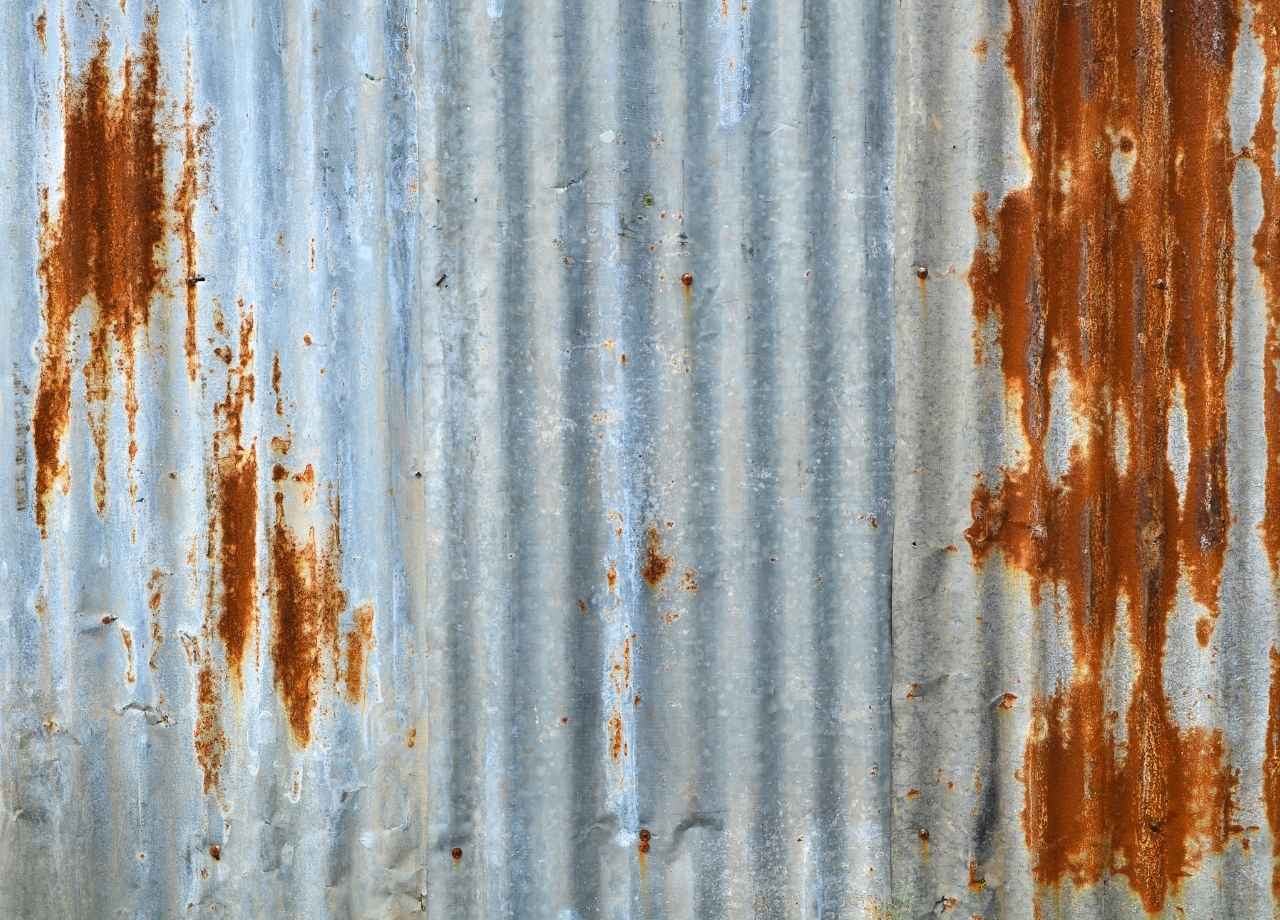
This is why roofing contractors must pay close attention to fasteners, flashing, clips, gutters, and accessories used with metal panels. A fastener should not be selected simply because it fits mechanically. Its material and protective coating need to be appropriate for the roofing system and its environment.
Improper repair work can introduce the same issue years after installation. Replacing a damaged component with an incompatible metal may create a corrosion point that did not previously exist. Coastal roofing repairs need to preserve material compatibility throughout the assembly.
Scratches, Cut Edges, and Coating Damage
Protective finishes are one of a metal roof’s primary defenses against the elements. Damage to those finishes deserves attention, especially near the coast.
Scratches can occur during transportation, installation, maintenance, storm cleanup, or work performed by other trades. HVAC technicians, painters, solar installers, and other contractors may need roof access, and tools or equipment dragged across panels can damage their finish.
Field-cut edges also require proper handling. Metal panels and flashing are often cut or modified during installation, and poor cutting practices can damage coatings around the edge. Metal filings left on the roof may also rust and stain the finished surface.
Small coating defects do not automatically mean a roof needs replacement. They do mean the affected area should be evaluated and treated correctly before corrosion has an opportunity to progress beneath or around the finish.
Fasteners, Seams, and Roof Penetrations Need Special Attention
Corrosion often develops around roof details rather than across the middle of an undisturbed panel. Fasteners, seams, vents, skylights, pipe penetrations, flashing, and rooftop equipment create transitions where materials meet and water must be carefully controlled.
Exposed-fastener metal roofs require particular attention to screws and sealing washers. Years of thermal movement can affect fasteners and washers, potentially allowing moisture to reach areas that were originally protected.
Standing-seam systems reduce the number of exposed fasteners across the roof surface, but they still contain critical details that need professional installation and periodic inspection. Flashing transitions, clips, seams, and penetrations must remain secure and watertight.
Leaks near these areas can create corrosion on surfaces that homeowners cannot easily see. By the time staining appears inside the building, deterioration may already be present beneath panels or around structural components.
How Proper Installation Helps Prevent Corrosion
Corrosion prevention begins before the first panel is installed. The roofing material, coating system, fasteners, flashing, sealants, underlayment, and attachment method should be selected with the property’s exposure conditions in mind.
Coastal properties deserve particular care. Distance from saltwater, building height, wind exposure, roof geometry, surrounding vegetation, and expected maintenance all influence roofing decisions. Manufacturer requirements for coastal applications should also be followed closely.
Workmanship is just as important as product selection. Panels need to be handled without unnecessary scratching, cut correctly, and installed with compatible components. Flashing should move water away from vulnerable areas rather than create pockets where moisture can collect.
Good installation also accounts for thermal movement. Metal expands and contracts as temperatures change. A system that cannot accommodate that movement may experience stress around fasteners, seams, penetrations, and coatings.
Maintenance Can Extend the Life of a Coastal Metal Roof
Routine roof inspections are one of the most practical ways to control corrosion. The goal is to identify conditions that allow corrosion to begin or spread rather than waiting until severe rust is visible.
A professional inspection can check for damaged coatings, surface oxidation, loose or deteriorated fasteners, failing sealants, compromised flashing, debris accumulation, drainage problems, and early corrosion around roof penetrations. Areas that are difficult to see from the ground deserve particular attention.
Keeping gutters and drainage paths clear is also important. Leaves, branches, dirt, and other debris can trap moisture against metal surfaces. Organic debris may hold water long after surrounding roof sections have dried.
Cleaning may be beneficial when salt and contaminants have accumulated, but aggressive pressure washing or unsuitable chemicals can damage coatings. Property owners should follow the roofing manufacturer’s cleaning requirements and use methods appropriate for the specific metal and finish.
Why Post-Storm Roof Inspections Matter
A roof may look normal from the driveway after a major Florida storm and still have damage that increases future corrosion risk. High winds can shift panels, loosen flashing, damage fasteners, and drive debris across protective finishes.
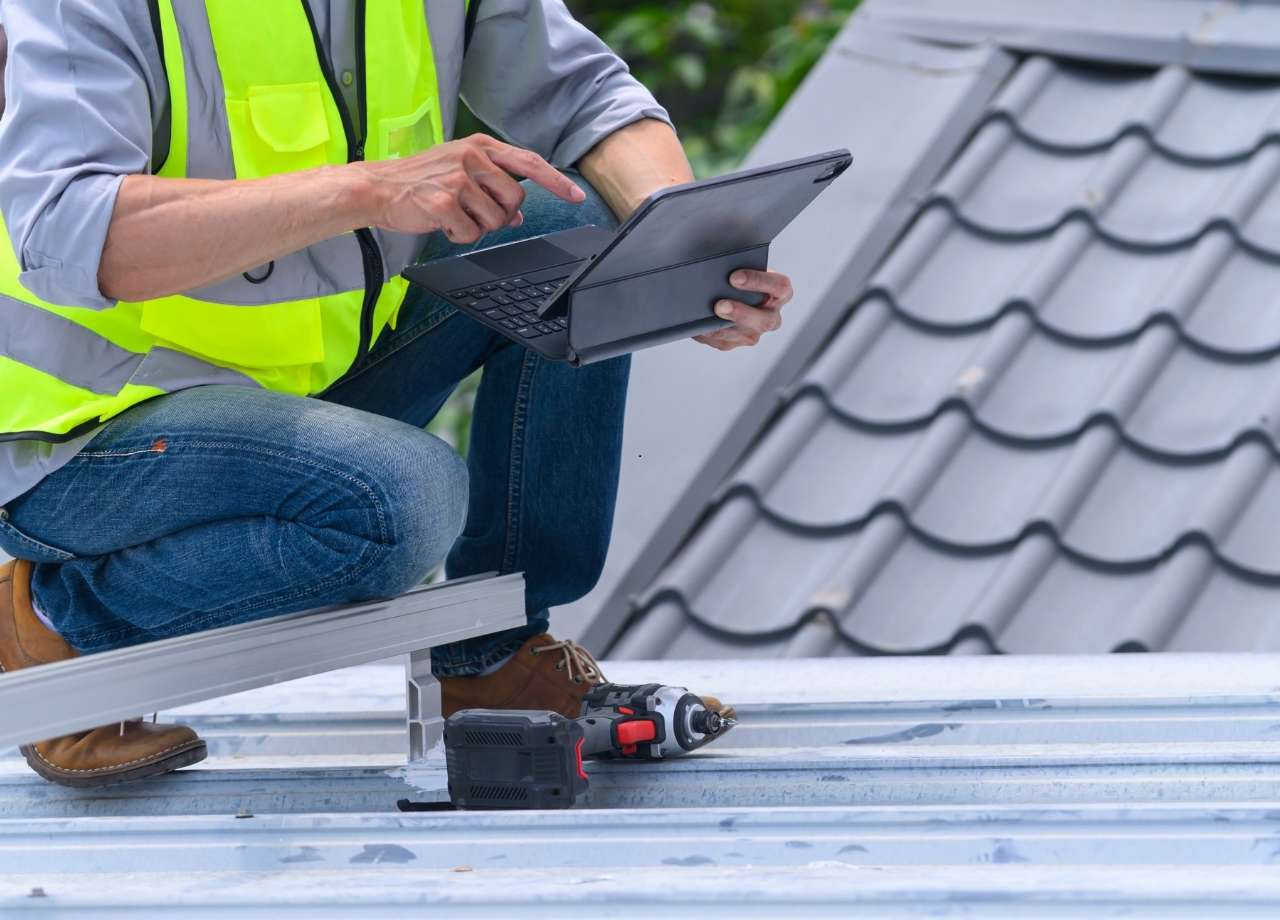
Wind-driven rain can also enter areas that normally stay dry. If moisture becomes trapped beneath roofing components, corrosion may begin where it cannot be seen during a casual visual check.
After a significant storm, a professional inspection can document the roof’s condition and identify damage that should be repaired. Prompt repairs help protect the roofing system from further water intrusion and deterioration during the months and years that follow.
Can a Corroded Metal Roof Be Repaired?
The answer depends on the type, location, and severity of the corrosion. Minor surface issues or localized coating damage may be repairable when the underlying metal remains structurally sound. A contractor may be able to address the damaged area, correct the source of moisture exposure, and restore appropriate protection.
Advanced corrosion is different. Metal that has become deeply pitted, perforated, weakened, or extensively deteriorated may require panel or component replacement. Widespread corrosion can indicate that the roofing system has reached a point where repeated spot repairs are no longer a practical long-term approach.
Coating over active corrosion without proper preparation is rarely a sound solution. The source of the deterioration needs to be identified, affected material must be evaluated, and surface preparation has to match the repair or coating system being used.
Choosing Metal Roofing for a Coastal Florida Property
Metal roofing can perform very well in Southwest Florida when the system is designed for local conditions. Coastal exposure does not automatically make metal roofing a poor choice. It makes correct product selection and installation more important.
Property owners should consider the roofing metal, finish, manufacturer requirements, fastener compatibility, warranty conditions, and proximity to saltwater before selecting a system. Warranty terms deserve careful review because some manufacturers have specific exclusions or maintenance requirements for properties located close to coastal environments.
Installation experience also matters. Coastal roofing involves more than fastening metal panels to a structure. Wind resistance, water management, corrosion protection, ventilation, flashing, material compatibility, and local building requirements all contribute to long-term performance.
Protecting Your Metal Roof for the Years Ahead
Corrosion is easier to manage when it is caught early. Salt exposure, high humidity, damaged coatings, incompatible metals, trapped moisture, poor drainage, and storm damage can each shorten the service life of a metal roofing system. Many of these risks can be reduced through good material choices, skilled installation, routine inspections, and timely repairs.
For Florida property owners, roof care should reflect the environment the building faces every day. A metal roof near the Gulf experiences conditions very different from the same roofing product installed far inland. Maintenance schedules and repair decisions should reflect that difference.
At Allstate Construction Roofing, our experience serving Southwest Florida has taught us the value of catching small roofing concerns before they become expensive structural or water-related problems. A properly installed and maintained metal roof can remain a dependable part of a coastal property for many years, providing the durability Florida homeowners and business owners expect from their roofing investment.