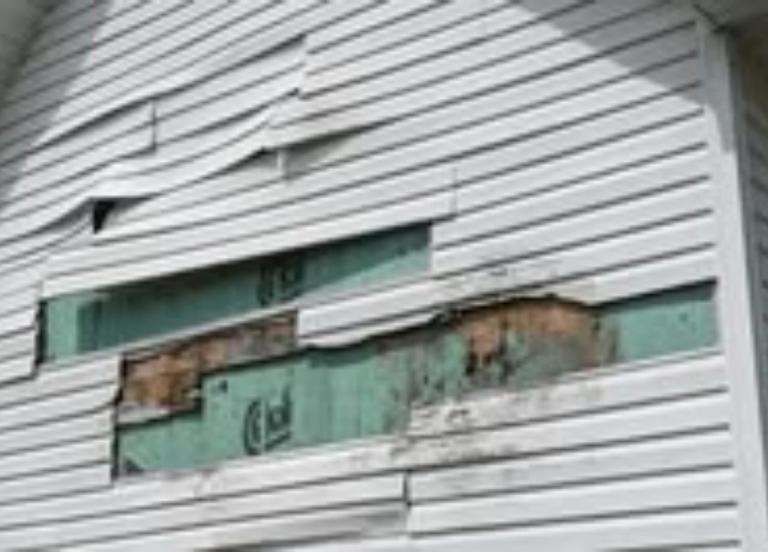
Siding is designed to help protect a home from sun, rain, wind, and airborne debris, but the siding itself is only part of the exterior wall system. Water can sometimes move past damaged panels, failed joints, poorly sealed openings, or flashing problems and become trapped where homeowners cannot easily see it. In Southwest Florida, heavy rain, tropical storms, high humidity, and wind-driven water make hidden moisture especially important to catch early.
At Allstate Construction Roofing, we have spent more than 30 years helping Florida property owners protect their homes from weather-related damage. During exterior and roofing inspections, signs of water intrusion often tell a larger story about the condition of the building envelope. A small stain or slightly warped siding panel can point to moisture that has been present much longer than the visible symptom suggests.
Recognizing the signs of water behind siding gives homeowners a chance to address the source before damage spreads into sheathing, insulation, drywall, or structural wood. Here are the warning signs we recommend watching closely.
Why Water Can Get Behind Siding
Siding is exposed to weather every day, and no exterior cladding should be treated as the home’s only defense against moisture. Proper wall construction includes components intended to manage water that gets past the outer surface. Florida building provisions have long addressed water-resistive barriers and drainage within exterior wall assemblies because controlling trapped water is essential to protecting the structure.
Water may enter around windows, doors, roof-to-wall intersections, utility penetrations, vents, damaged siding, and improperly flashed openings. Wind-driven rain can push moisture into gaps that might remain dry during an ordinary shower. Cracked caulk and aging seals can create additional entry points.
Roof problems can contribute too. Damaged flashing, overflowing gutters, failing roof edges, or poorly managed runoff may repeatedly direct water onto the same section of wall. Finding the true source matters because replacing a damaged siding panel alone will not solve an active leak.
Warped, Buckled, or Bulging Siding
One of the most noticeable signs of moisture trouble is siding that no longer sits flat against the home. Panels may bow outward, buckle, develop waves, or appear swollen. The change may affect a small area or extend across several courses.
Moisture behind the siding can affect the materials beneath it and interfere with how the exterior covering sits against the wall. Wood-based products may swell after prolonged exposure. Fasteners and supporting materials can also deteriorate, allowing sections to loosen or shift.

Heat can cause normal movement in some siding materials, so a warped panel does not automatically confirm water damage. A new or worsening distortion, especially near windows, rooflines, corners, or other penetrations, deserves closer inspection.
Stains and Discoloration on Exterior Walls
Dark streaks, brown marks, green patches, or unusual discoloration can indicate that water is repeatedly traveling across or behind part of the exterior. Homeowners sometimes clean these areas and assume the issue has been resolved, only to see the stain return after another period of rain.
Pay attention to discoloration that appears beneath windows, along siding seams, under roof edges, and near exterior penetrations. Repeated staining in the same location can help identify the path water is taking.
Surface dirt and algae are common in Florida’s humid climate, so staining alone does not prove that moisture is trapped behind siding. Persistent stains combined with loose panels, soft materials, interior wall marks, or musty odors create a stronger reason to investigate.
Peeling Paint or Damaged Interior Drywall
Some of the most useful clues may appear inside the house rather than outside. Paint that bubbles, peels, or flakes on an exterior-facing wall can indicate excess moisture within the wall assembly. Drywall may also develop yellow or brown stains, soft areas, swelling, or deteriorated finishes.
These symptoms can appear far from the actual entry point. Water can follow framing, sheathing, fasteners, and other building components before becoming visible indoors. That is one reason locating hidden leaks based only on the final stain can be difficult.
A stain that appears after heavy rain deserves particular attention. Document when it appears, photograph any changes, and note recent weather conditions. Those details can help an experienced contractor trace the likely source.
Musty Odors Near Exterior Walls
A persistent musty smell can be another warning sign. Hidden moisture creates conditions that may support mold growth inside wall cavities, behind drywall, or on damp building materials. The U.S. Environmental Protection Agency notes that moldy odors can suggest mold growth and should be investigated.
The EPA also recommends drying wet or damp materials within 24 to 48 hours in many water-damage situations to reduce the chance of mold growth. That time frame shows why waiting for visible damage can allow a moisture problem to become harder to manage.
Do not rely on smell alone to identify the location. Odors can travel through wall cavities and indoor air pathways. The priority is finding and correcting the moisture source rather than covering the odor with paint, cleaners, or fragrance.
Soft Spots, Rot, and Deteriorated Materials
If accessible trim, sheathing, or wood near a suspicious siding area feels soft, crumbly, or unusually weak, moisture may have been present for an extended period. Wood deterioration is a serious concern because the affected material may no longer perform as intended.
Rot often develops gradually. A homeowner may first notice peeling paint around a window, a loose trim board, or a section that feels softer than nearby material. Once siding is removed, the affected area can sometimes prove larger than expected.
This is why early investigation can save considerable repair work. Stopping water before repeated wetting damages deeper components gives the wall assembly a better chance of remaining sound.
Loose Siding and Failing Fasteners
Siding can loosen from age, wind exposure, installation issues, impact damage, or deterioration underneath the panels. In coastal Florida communities, storms can place significant pressure on exterior building materials. Once a panel shifts, new openings may allow additional rain to enter.
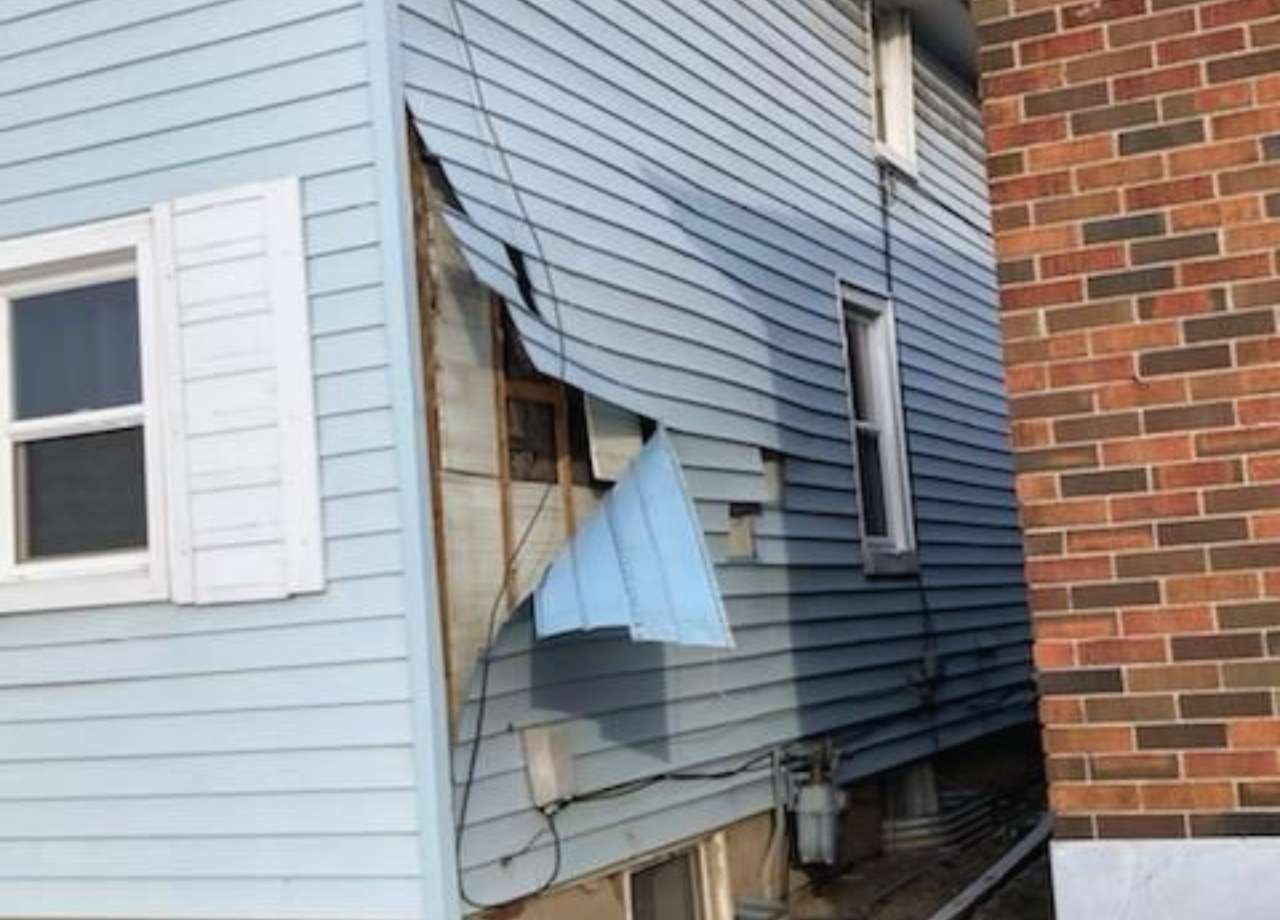
Look for siding sections that rattle, separate at seams, pull away from corners, or no longer align with neighboring panels. Fasteners showing rust or corrosion can also indicate recurring moisture exposure.
After a strong storm, walk around the property from a safe position and compare each wall with its previous condition. Changes near roof edges, windows, doors, and corners are worth documenting, even when no indoor leak is immediately visible.
Mold or Mildew That Keeps Returning
Mildew on an exterior surface does not always mean water is trapped inside the wall. Florida humidity naturally encourages biological growth on shaded and damp exterior surfaces. The pattern and recurrence of the growth provide useful clues.
A patch that repeatedly returns soon after cleaning, particularly around a seam or opening, may indicate an area that stays damp longer than surrounding siding. Indoor mold near the corresponding exterior wall adds another reason to investigate moisture.
The EPA identifies moisture control as the primary method for controlling indoor mold. Cleaning visible growth without correcting the water source can leave the underlying problem unresolved.
Higher Indoor Humidity or Unexplained Dampness
An active exterior leak can sometimes contribute to damp conditions indoors. A room may smell different, feel unusually humid, or develop condensation and moisture symptoms that were not previously present. These changes deserve attention when they occur near an exterior wall showing other signs of deterioration.
Florida homes already operate in a humid climate, so indoor humidity has many possible causes. Air-conditioning performance, ventilation, plumbing leaks, and everyday activities can influence moisture levels. Exterior water intrusion is one possibility that should be considered when other warning signs are present.
A moisture meter can help professionals compare suspicious materials with dry areas. Inspection findings should be considered together rather than relying on a single reading.
Where Homeowners Should Look After Heavy Rain
A visual check after major rainfall can reveal problems that are less noticeable during dry weather. Examine siding around windows and doors, beneath roof-to-wall connections, near gutters and downspouts, around vents, and wherever pipes, cables, or fixtures penetrate the exterior.
Inside, inspect the corresponding walls for stains, bubbling paint, damp baseboards, unusual odors, or changes in drywall texture. Attics may also provide clues when the suspected water source is near a roof edge or upper wall.
Avoid pulling siding apart without knowing how the system is installed. Removing panels incorrectly can create additional openings or damage materials that were still functioning properly.
What to Do If You Suspect Water Behind Your Siding
Start by documenting visible symptoms and the conditions under which they appear. Photos taken before and after rain can be useful. Avoid simply sealing every visible gap with caulk, since some exterior wall assemblies require planned drainage paths and improper sealing can interfere with moisture management.
A qualified inspection should focus on finding the entry point, determining how far moisture has traveled, and identifying damaged materials. Repairs may involve siding, flashing, weather-resistant components, trim, roofing details, or interior materials depending on the source and extent of the problem.
At Allstate Construction Roofing, we encourage Southwest Florida property owners to treat recurring moisture signs as maintenance issues that deserve timely attention. Water behind siding can remain hidden until siding repairs become far more extensive. Catching warped panels, recurring stains, soft materials, musty odors, or interior wall damage early gives you a better opportunity to protect the structure, correct the source, and keep your home ready for Florida’s demanding weather.