Owning a business or home in Florida brings plenty of advantages—beautiful coastal views, warm weather year-round, and a strong sense of community. But it also means facing a climate that can be brutal on roofs. Between powerful UV rays, heavy rain, humidity, and hurricane-force winds, even the most durable roofing systems face an uphill battle to stay strong over the years.
At Allstate Construction Roofing, we’ve seen how Florida’s environment tests every type of roof. The lifespan of a roof here isn’t just about what material you choose—it’s about installation quality, maintenance habits, and how well your roof is built to handle the elements. Understanding what affects a roof’s longevity helps property managers and homeowners make better decisions to protect their investment.
The Power of Florida’s Sun: UV Rays and Heat Exposure
Few states experience sunlight as intense as Florida. The constant UV exposure gradually weakens roofing materials, especially asphalt shingles and certain synthetic products. Over time, this exposure can cause shingles to dry out, curl, and lose their protective granules. Flat roofing membranes and coatings can also blister or crack if they aren’t properly UV-resistant.
The problem doesn’t end with surface wear. Prolonged heat also expands and contracts roofing materials, especially metal, tile, and asphalt-based products. This thermal movement may loosen fasteners, create small gaps around flashing, and eventually allow water intrusion. Roofs in Florida can easily reach temperatures over 150°F during summer months—conditions that speed up material aging.
A properly installed roof with high-quality, heat-reflective materials can significantly slow this process. For example, modern metal roofs and tile systems, when paired with reflective coatings and proper ventilation, perform exceptionally well under Florida’s sun. As a company specializing in both roof replacement and repair, we often recommend reflective options and proper attic ventilation to minimize thermal stress on the structure.
Humidity and Moisture: The Silent Threat
Even when it’s not raining, Florida’s high humidity is constantly at work. The air is often saturated with moisture, which can settle beneath shingles or membranes and compromise underlayment materials. Over time, trapped moisture leads to wood rot, mold, and structural damage.
Flat and low-slope roofs are especially vulnerable since water tends to linger instead of draining quickly. Without proper sealing and drainage design, small amounts of standing water can deteriorate the roofing surface faster than most people realize.
A good roof in Florida needs more than strong materials—it requires ventilation, proper flashing, and consistent upkeep. Regular roof inspections, especially after the rainy season, are crucial. Addressing minor issues like cracked sealant or clogged gutters early can prevent widespread damage later.
Rain and Wind: Year-Round Challenges
Florida is known for its unpredictable rainstorms and frequent high winds. From daily summer downpours to hurricane-season squalls, roofs are exposed to constant water pressure and uplift forces.
Heavy rain tests every detail of a roof’s design. Weak spots around vents, flashing, and skylights are the first to fail when sealant starts to degrade. Wind-driven rain can also force water beneath shingles, particularly on older or poorly maintained roofs. Once moisture penetrates the underlayment, it can reach the decking and insulation, leading to leaks and costly structural repairs.
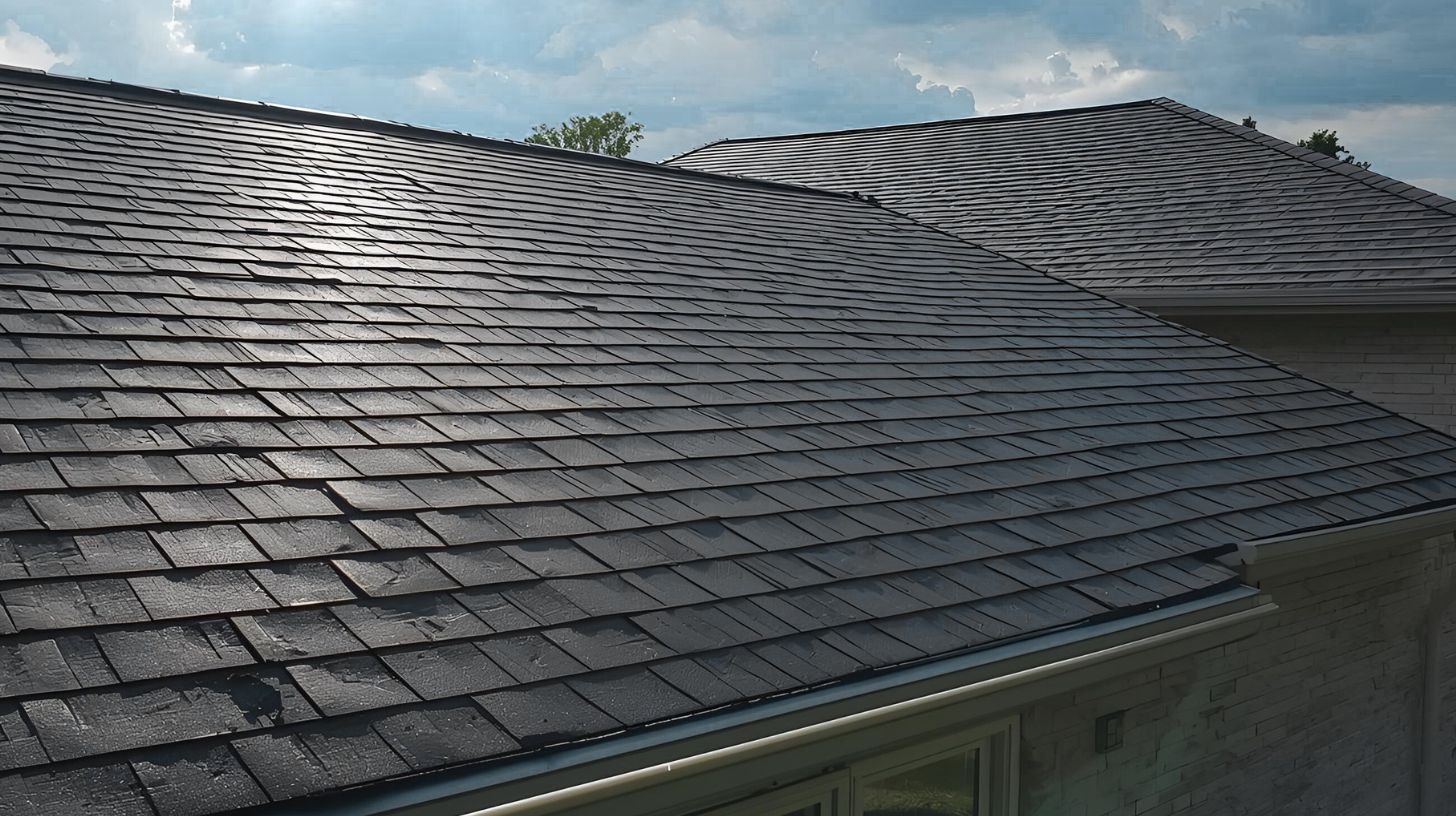
Wind is another major factor in shortening a roof’s life. Even moderate gusts can lift shingles or tiles that were not properly fastened. During hurricane season, the uplift pressure on the leeward side of a roof can exceed hundreds of pounds per square foot. This makes it essential for Florida roofs to be installed with wind-rated materials and fastening systems approved by the Florida Building Code.
Tile roofs, metal systems, and high-quality architectural shingles often perform best against strong winds when installed correctly. That’s why local expertise matters—roofing contractors familiar with Florida’s codes and weather patterns understand how to secure each component to withstand the region’s unique conditions.
Salt Air and Coastal Corrosion
Properties near the coast face an additional layer of stress: salt air. Salt particles carried by ocean breezes settle on roofs and accelerate corrosion, especially on metal components like flashing, fasteners, and panels. Even minor rust can spread quickly when combined with moisture and heat.
The best defense against salt-related damage is using corrosion-resistant materials, such as aluminum, stainless steel, or specially coated steel. Metal roofs with protective finishes, along with regular washing to remove salt buildup, can extend their lifespan significantly. Tile roofs, on the other hand, are generally more resistant to salt air but still need regular maintenance to keep underlayment materials in good shape.
At Allstate Construction Roofing, we frequently service properties in coastal communities across Southwest Florida. We’ve learned that proactive cleaning and using marine-grade materials during installation can make a huge difference in extending roof life near the ocean.
Quality of Installation: The Foundation of Longevity
Even the best roofing material will fail prematurely if it’s not installed correctly. Proper installation affects how well the roof sheds water, resists wind uplift, and handles temperature changes. Small mistakes—like improper nail placement, inadequate flashing, or uneven decking—can lead to major issues later.
Florida’s climate magnifies every weakness. That’s why experience matters when choosing a roofing contractor. Roofers who understand local building codes, hurricane standards, and the nuances of working in humid conditions are more likely to build a roof that stands the test of time. Proper ventilation design, secure fastening systems, and meticulous attention to waterproofing details are essential to achieving the longest possible roof lifespan.
Maintenance and Inspection: The Lifeline of Every Roof
No roof lasts forever, but consistent maintenance can stretch its lifespan significantly. A well-maintained roof can often outlast its expected service life by several years. On the other hand, neglect can shorten a 30-year roof to half that time.
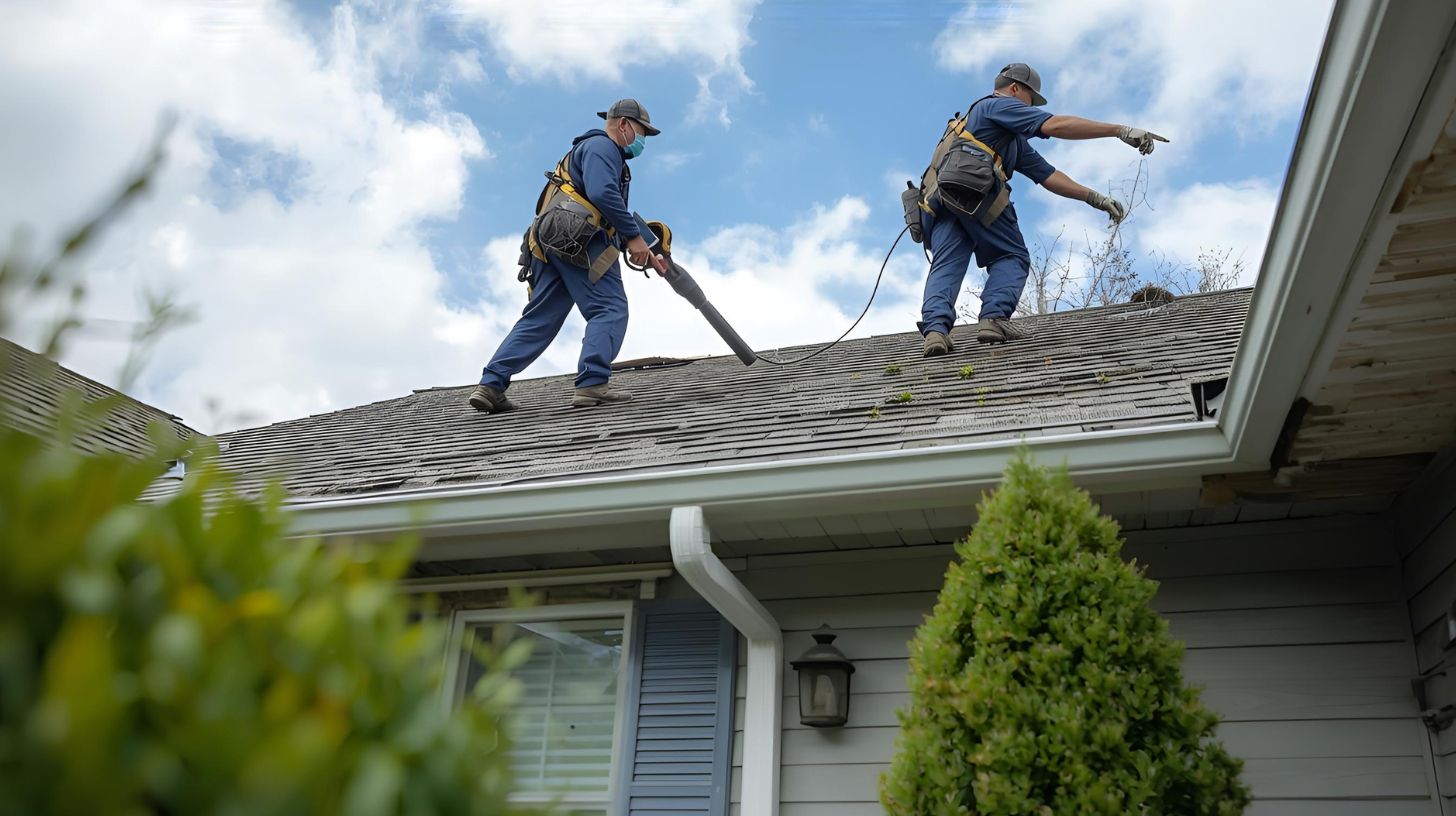
In Florida, roofs should be inspected at least twice a year—ideally before and after hurricane season. Professional inspections identify problems like cracked tiles, lifted shingles, loose flashing, and minor leaks before they become serious. Keeping gutters clear, replacing damaged sealant, and removing debris like leaves or palm fronds also go a long way in preventing damage.
Property owners often underestimate how small issues, such as clogged valleys or ponding water, can quickly escalate in this environment. Using a trusted roofing company for periodic inspections helps ensure these problems are caught early, saving money and stress down the line.
Roofing Material Selection: Choosing for Florida’s Climate
The type of roofing material plays a big role in how long your roof lasts in Florida. Here’s a look at how some popular materials perform:
Asphalt Shingles: Affordable and widely used, but the Florida sun shortens their lifespan. A high-quality, algae-resistant, and wind-rated shingle can last around 15–20 years with proper care.
Metal Roofing: One of the most durable choices for Florida homes. Metal roofs resist wind, shed rain easily, and reflect sunlight effectively. With proper coatings and maintenance, they can last 40–50 years or more.
Concrete Tile: Popular for coastal properties, these roofs handle heat and salt air well. They’re heavy and need a strong structure, but can last over 50 years if maintained properly.
Flat Roofing Systems: Common for commercial buildings, flat roofs must be installed with precision to ensure proper drainage. Modern materials like TPO and PVC offer excellent heat and moisture resistance when maintained regularly.
Each material has trade-offs, but choosing one suited to Florida’s environment—and having it installed by a local expert—is the key to maximizing lifespan.
Insurance, Warranties, and Roof Age
Another factor that often influences roof replacement decisions in Florida is insurance. Many insurance companies have strict age limits on roofs—sometimes 10–15 years for shingles and 20–25 for tile or metal. Even if your roof looks intact, it may no longer qualify for coverage if it’s considered too old by your insurer.
Warranties can also provide peace of mind, but they depend heavily on proper installation and maintenance. Keeping documentation of repairs, inspections, and cleanings helps preserve warranty protection and makes the claims process smoother if storm damage occurs.
Building for the Long Haul
A roof in Florida has to be more than watertight—it needs to be tough, flexible, and smartly designed for the elements. From scorching heat and relentless humidity to hurricane winds and salt air, every day brings a new test.
Choosing durable materials, ensuring expert installation, and keeping up with regular maintenance are the pillars of long-term roof performance. At Allstate Construction Roofing, we believe that a strong, reliable roof is more than just a structure—it’s your property’s first line of defense against Florida’s harshest conditions.