A tile roof can remain attractive and structurally sound for decades, but the tiles are only one part of the roofing system protecting a Florida property. Beneath those concrete or clay tiles sits the underlayment, a water-resistant or waterproof layer that provides critical protection when rain gets past the tile surface.
In Florida, tile roof underlayment commonly lasts about 20 to 30 years, though the actual service life can be shorter or longer depending on the material, installation quality, roof design, exposure to heat and moisture, and storm history. Premium modern underlayments may perform beyond that range under favorable conditions. Older felt-based products may need attention sooner.
At Allstate Construction Roofing, we often find that homeowners focus on the condition of their tiles without realizing that the underlayment may be approaching the end of its useful life. Our tile roof repair and replacement services address the entire roofing system, including the components beneath the visible tile, because a roof should be evaluated as a complete assembly rather than judged by appearance alone.
What Is Tile Roof Underlayment?
Tile Roof underlayment is installed over the roof deck and beneath the tile roofing material. Tile provides the roof’s durable exterior surface, but a tile installation is not designed to depend on the tiles alone for water protection. Wind-driven rain can move beneath tiles through small openings, overlaps, valleys, flashing areas, and other vulnerable sections.
The underlayment acts as an additional barrier between that moisture and the roof deck. When properly installed, it helps direct water away from the wood decking and interior of the building. It also provides added protection around penetrations and other areas where water intrusion can become a concern.
This layer is particularly important in Florida. Heavy rainfall, tropical weather, high humidity, intense sun, and strong winds place roofing materials under persistent stress. A tile roof may still look good from the street after many years, yet its underlayment can be aging underneath.
How Many Years Does Tile Roof Underlayment Last in Florida?
A practical planning range for many Florida tile roofs is 20 to 30 years for the underlayment. That number should be treated as a general expectation rather than a guaranteed replacement schedule. Some systems can last longer, and roofs exposed to leaks, installation defects, severe storms, or unusual moisture conditions may require work much earlier.
Material choice makes a significant difference. Traditional asphalt-saturated felt and older underlayment systems generally do not offer the same expected performance as newer high-quality synthetic or self-adhered products. Florida roofing practices and building requirements have also changed over the years, so the system beneath a recently installed tile roof can be quite different from one installed several decades ago.
Age alone should never be the only factor used to decide when underlayment needs replacement. A professional roof inspection can identify signs of deterioration, previous repairs, flashing problems, moisture entry, and other conditions that help establish the actual state of the roofing system.
Why Florida Conditions Can Shorten Underlayment Life
Florida roofs operate under demanding conditions for much of the year. Roof surfaces can become extremely hot during sunny periods, then cool rapidly during afternoon thunderstorms. Repeated heating and cooling can contribute to the aging of roofing materials and sealants.
Moisture is another concern. Florida’s frequent rain and high humidity mean that small vulnerabilities can become significant over time. Water that enters beneath damaged, shifted, or improperly installed tiles can repeatedly expose the underlayment to moisture.
Hurricanes and tropical storms add another source of stress. Strong winds can loosen or lift tiles, damage flashing, and create openings that are difficult to see from ground level. A roof does not need to lose large sections of tile to sustain damage that affects the protective layers underneath.
Coastal properties can face added exposure from salt air and severe wind-driven rain. Southwest Florida homeowners should pay particular attention to roof condition after major storms, especially when the roof is already approaching the later years of its expected service life.
Underlayment Material Makes a Difference
Asphalt-Saturated Felt
Traditional roofing felt has been used beneath tile roofs for many years. Older Florida homes may still have tile roofing systems built with felt-based underlayment. Its actual lifespan varies considerably based on the product, installation, number of layers, and conditions the roof has experienced.
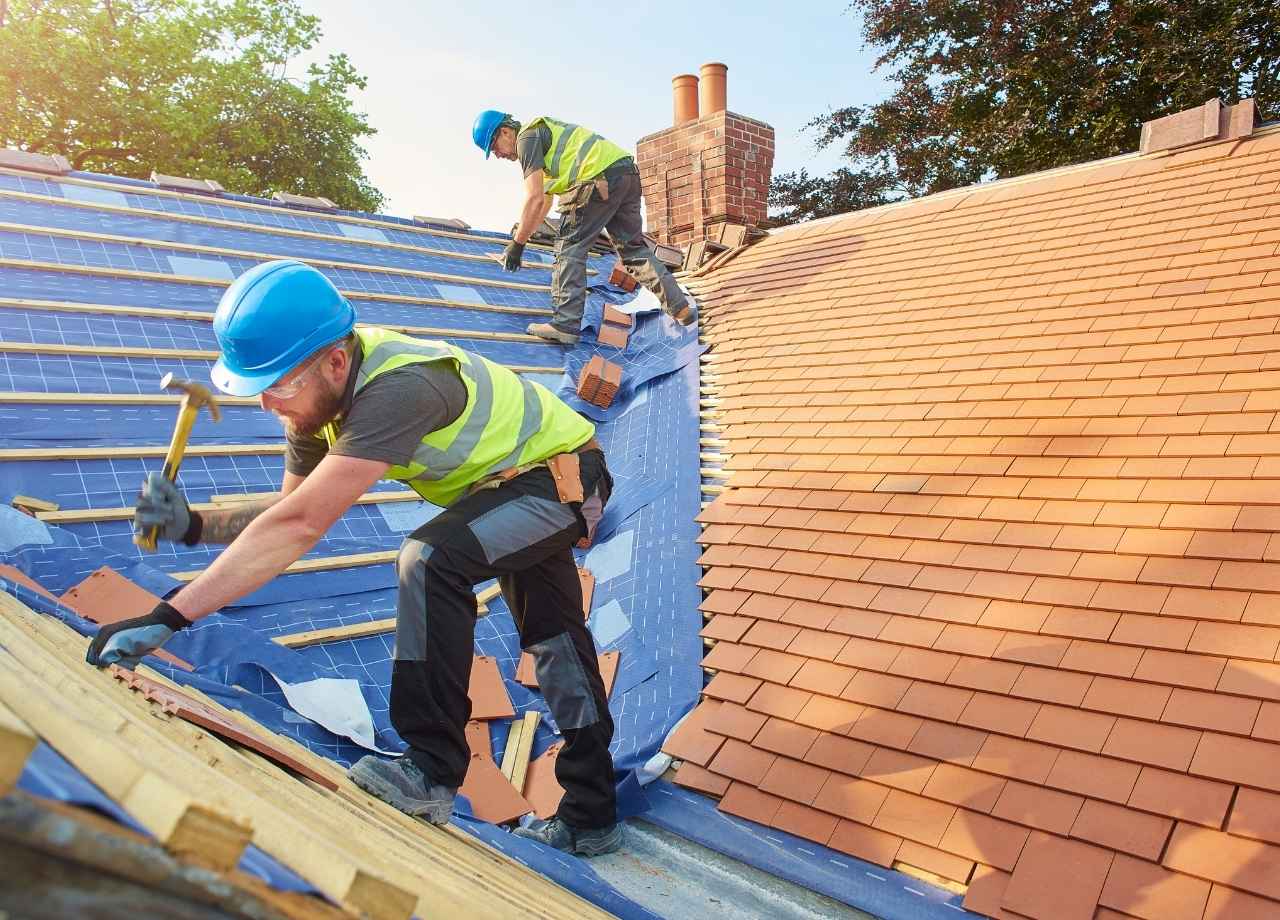
Heat and repeated moisture exposure can cause older materials to become brittle or deteriorate. A roof constructed decades ago may still have serviceable tiles even when the material beneath them has aged substantially. This difference in lifespan is one reason tile condition alone cannot tell homeowners how much life remains in the overall roof.
Synthetic Underlayment
Synthetic products are manufactured to provide strong moisture resistance and improved durability compared with many traditional felt products. They are lightweight, resist tearing, and are widely used in modern roofing applications.
The performance of any synthetic underlayment still depends heavily on proper installation. Seams, fasteners, flashing transitions, penetrations, and attachment methods all need to work together. A premium material cannot compensate for poor workmanship in critical areas.
Self-Adhered Underlayment
Self-adhered underlayments create a tightly bonded water-resistant or waterproof layer over the roof deck when installed according to the product requirements. These systems can provide strong protection in Florida’s rain-heavy and storm-prone climate.
Product quality varies, so homeowners should not assume every self-adhered system has the same lifespan. Roof deck preparation, installation temperature, surface condition, flashing details, and workmanship can influence long-term performance. The roofing system needs to be installed as designed to receive the full benefit of the material.
Signs Your Tile Roof Underlayment May Be Failing
Underlayment is hidden beneath the tile, which makes deterioration harder for a homeowner to identify directly. Interior symptoms can sometimes provide the first warning. Ceiling stains, damp areas in the attic, musty odors, deteriorated decking, or unexplained moisture after heavy rain can indicate a roofing problem that deserves professional attention.
Repeated leaks are especially important. Repairing the same area several times can indicate that the problem extends beyond a single cracked tile. Aging underlayment, flashing failures, or deteriorated waterproofing around roof penetrations may be allowing water to travel beneath the tile before it becomes visible inside.
Roof age also matters. If a tile roof is 20 years old or older and its underlayment has never been replaced, periodic professional evaluation becomes increasingly valuable. This does not automatically mean the roof needs replacement, but it does mean the hidden components deserve closer attention.
Can You Replace Underlayment Without Replacing Tile?
In many situations, underlayment can be replaced while usable roof tiles are preserved for reinstallation. The existing tiles are carefully removed, the old underlayment is taken off, the roof deck is inspected and repaired where necessary, and a new underlayment system is installed. Serviceable tiles can then be placed back onto the roof.
The feasibility of this approach depends on the condition and availability of the existing tile. Older tiles can become brittle and may break during removal. Matching replacement tiles can also be difficult when a particular profile, color, or manufacturer is no longer available.
A roofing contractor should evaluate the tile condition, decking, attachment system, flashing, and underlayment before recommending a course of action. In some cases, retaining the existing tile makes practical sense. In others, replacing the entire tile roofing system may provide better long-term value.
Does a Roof Leak Mean the Underlayment Needs Replacement?
A leak does not automatically mean all of the underlayment has failed. Water can enter through damaged flashing, cracked tiles, roof penetrations, valleys, vents, or isolated installation defects. Some leaks can be corrected with a targeted repair when the surrounding roofing system remains in good condition.
The age and history of the roof help determine the appropriate repair. A localized problem on a relatively young roof is different from recurring leaks on a 25-year-old tile roof with original underlayment. Continually repairing individual symptoms on an aging system can become costly without addressing the underlying deterioration.
Finding the actual entry point is essential because water can travel beneath tile and along decking before appearing inside the building. The visible ceiling stain may be several feet away from the original source of the leak.
How Can Florida Homeowners Help Their Tile Roof Last Longer?
Routine roof inspections can identify minor concerns before they develop into expensive water damage. Loose tiles, cracked tiles, damaged flashing, clogged drainage areas, deteriorated sealants, and storm damage should be addressed promptly. Homeowners should also avoid walking on tile roofs because incorrect foot placement can crack tiles and create new openings for water.

Post-storm inspections are particularly useful in Southwest Florida. Damage is not always obvious from the driveway, and displaced tiles or compromised flashing can expose the underlayment to repeated rain. Early repairs can reduce the amount of water reaching vulnerable areas.
Keeping gutters and drainage paths clear also helps water leave the roof efficiently. Trees that scrape against the roof or drop heavy debris should be maintained appropriately. Good roof care cannot stop normal material aging, but it can help prevent avoidable damage that shortens service life.
When Should You Have Tile Roof Underlayment Inspected?
There is no need to wait for an active leak. Homeowners with older tile roofs can benefit from having the system evaluated before problems appear inside the home. An inspection is particularly useful when purchasing a property, after a significant storm, before major exterior renovations, or when the roof’s installation history is unknown.
If the roof is approaching 20 years of age, knowing the condition of the underlayment can also help with financial planning. Replacement may not be immediately necessary, but understanding the roof’s condition gives the property owner time to prepare rather than reacting to an unexpected leak.
Florida homeowners should also keep records of roof installations, repairs, inspections, and storm-related work. Documentation makes it easier for a roofing professional to understand what has been done and which parts of the system may still be original.
Tile Longevity Does Not Equal Underlayment Longevity
One of the most important points for Florida property owners is that long-lasting tile does not guarantee equally long-lasting underlayment. Concrete and clay tiles can remain usable for decades, but the waterproofing components beneath them may reach the end of their service life much sooner.
For many Florida homes, 20 to 30 years is a reasonable general expectation for tile roof underlayment, with material quality, workmanship, maintenance, and weather exposure determining the actual lifespan. Older systems may require attention sooner, and high-quality newer systems can potentially provide longer service.
We recommend evaluating the condition of the entire roofing system rather than making decisions based solely on visible tiles or roof age. For Southwest Florida homeowners, timely inspections and properly completed repairs can help protect the roof deck, interior, and overall investment through years of heat, heavy rain, and hurricane seasons.